Why Your Supply Chain Needs a “Safety-First” Audit Before 2026
Quick Summary
By 2026, most major markets will treat window-covering safety as “non-negotiable”, not “nice-to-have”.
Updated rules in North America and Europe are pushing brands toward cordless or short-cord blinds and shades, traceable components, and verifiable test data.
A structured “safety-first” supply chain audit—from raw materials and springs to final assembly, documentation and retailer sign-off—helps you avoid recalls, protect children, and stay listed with top channels instead of fighting last-minute redesigns.
Between now and 2026, window-covering brands are quietly being sorted into two camps: the ones that can prove their products are safe, and the ones that suddenly discover a major retailer has “paused” their orders.
New standards, stricter enforcement and retailer policies are converging. If your blinds, shades or their components still carry legacy cord risks, weak documentation, or untested critical parts, the problem is no longer just engineering—it’s your entire supply chain strategy.
1. Why “Safety-First” Has Become a Core Supply-Chain KPI
1.1 The Regulatory Wave Rolling Into 2026
In the last few years, regulations around corded window coverings have shifted from gentle guidance to hard lines:
- United States: The U.S. Consumer Product Safety Commission (CPSC) adopted mandatory rules for custom window coverings and effectively requires new products to comply with the ANSI/WCMA safety standard, which has been updated to the A100.1-2022 version. That update—widely treated as effective from June 1, 2024—drives the market toward cordless or short, inaccessible cords.
- Canada: Health Canada’s Corded Window Coverings Regulations now require that all window coverings sold or manufactured in Canada be cordless or have inaccessible cords to remove strangulation hazards.
- Europe & UK: Standards based on EN 13120 and related norms keep tightening on inner-cord, loop and labelling requirements, and large project buyers increasingly demand verified child-safety compliance as part of tender documents.
By 2025, industry commentary in several markets was already describing corded window coverings as “largely restricted or effectively eliminated” for mainstream residential use. In other words, by 2026 you’re expected to be fully aligned—not still “transitioning”.
1.2 Retailers and Platforms Are Quietly Re-writing the Rules
Even where regulations look similar on paper, the commercial reality is harsher:
- Big-box and DIY chains increasingly require proof of compliance (test reports, declarations, design drawings) for each program, not just a one-page supplier letter.
- E-commerce marketplaces (including regional platforms) are starting to suspend or de-list SKUs when safety complaints appear or documentation cannot be provided fast enough.
- Project buyers (hospitality, multi-family housing, education) tie safety to ESG and insurance—if your documentation is weak, you simply don’t make the shortlist.
In this environment, “we think it’s safe” is not a plan. Buyers want to see how your supply chain produces safe, compliant products—and whether it can prove it under pressure.
1.3 The Hidden Cost of “Almost Compliant”
Many brands discover too late that their products are “almost compliant” but their systems are not:
- A cordless program uses the right architecture, but the spring units, brakes or plastic housings have no verified cycle-life or material data.
- The factory passed a basic social audit, but has no documented child-safety risk assessment for blinds and shades.
- Marketing promises “child-safe” while the cord length, label text or warning icons don’t match the latest reference standard.
The direct cost isn’t just a remake. It’s lost seasons, re-testing, re-labelling, retailer penalties, and cancelled listings. A safety-first supply chain audit is how you find these mismatches before your customers do.
2. What a “Safety-First” Supply Chain Audit Actually Covers
A proper audit is not just a walk through the factory looking for visible cords. It is a structured review of design, components, processes and paperwork along the entire chain—from steel strip and plastic pellets to the finished blind in a child’s bedroom.
2.1 Scope 1 – Product Architecture and Risk Profile
Start with how your blinds and shades are actually built:
- Are the ranges fully cordless, short-cord, or mixed (legacy corded + new ranges)?
- Which SKUs are highest risk—nursery products, DIY kits, value lines with older hardware?
- Where do critical safety functions live: in the spring unit, clutch, brake, wand, or electronic motor?
This mapping tells you which families need immediate re-engineering and which only require documentation and testing upgrades.
2.2 Scope 2 – Critical Components and Engineering Data
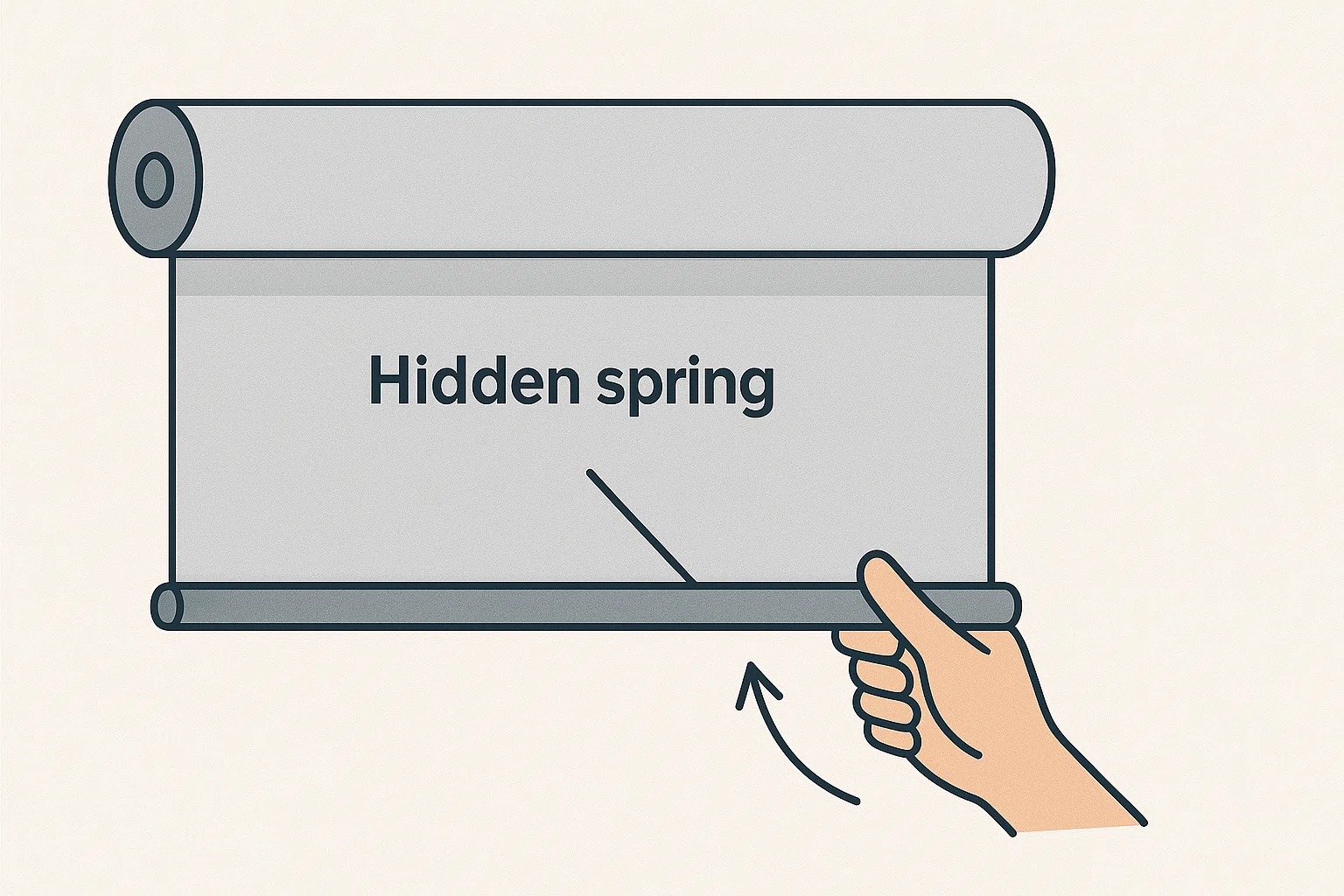
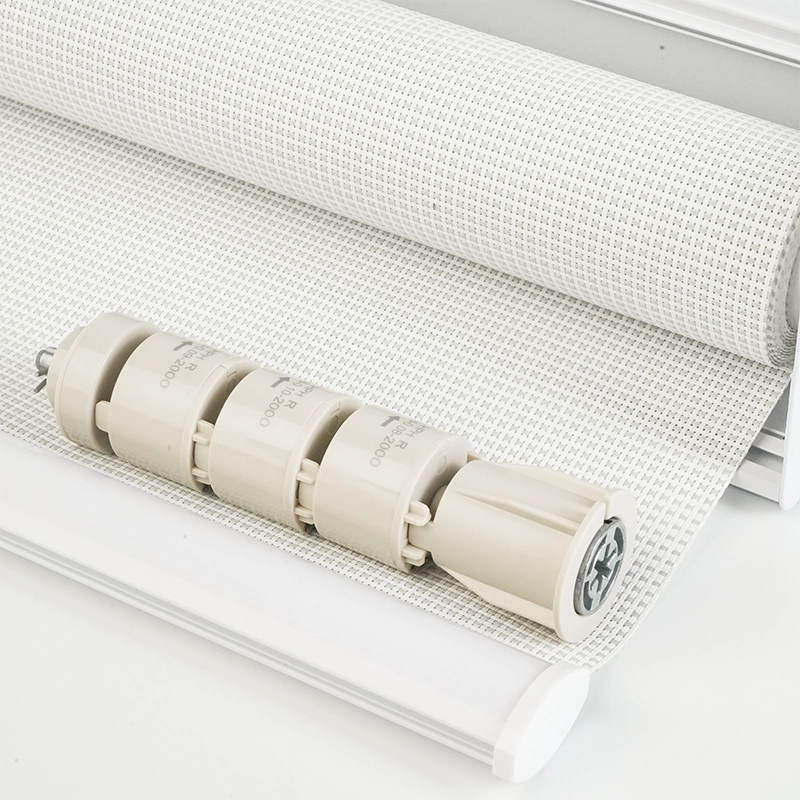
In modern cordless systems, safety performance is often decided by components the consumer never sees: constant-force springs, spiral torsion springs, brakes, pins, circlips, limit-stops and plastic housings. These parts should not be treated as anonymous “black boxes”.
Your audit should ask:
- Force & load data: Do you have load charts or torque curves that match specific modules (e.g. springs, spring boxes, spring-assisted units) to defined blind weights and dimensions?
- Cycle-life and fatigue: Are critical parts tested to realistic cycles (for example ≥10,000–40,000 operations for residential use) with acceptable force drift?
- Materials & treatments: Are metals, plastics and coatings appropriate for bathrooms, kitchens, coastal climates or commercial projects?
If your spring or mechanism suppliers cannot provide detailed specifications and test reports for these items, that’s a red flag for both safety and long-term durability.
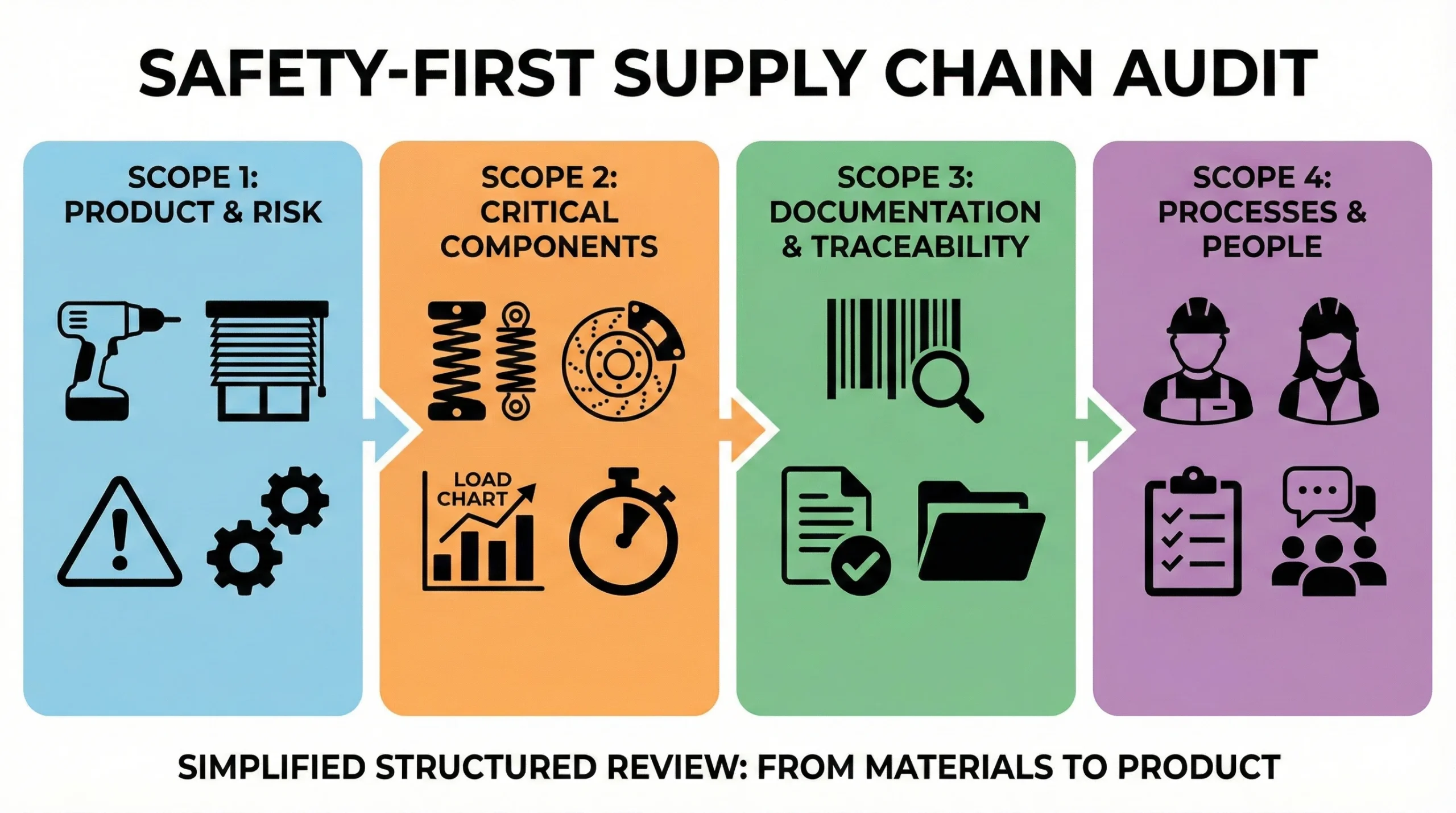
2.3 Scope 3 – Documentation, Traceability and Lab Testing
Even an excellent product can fail an audit if the paperwork is chaotic. A safety-first review checks whether you can:
- Trace batches of critical components (springs, brakes, plastic parts, motors) to specific POs and finished goods.
- Produce up-to-date test reports against the standards your customers reference (e.g. ANSI/WCMA A100.1, local child-safety requirements, flammability or chemical limits where applicable).
- Show change-control records when you switch materials, tooling, suppliers or dimensions on safety-critical parts.
In 2026, retailers and regulators will expect this as standard—not as a “best effort”.
2.4 Scope 4 – Factory Processes and People
Lastly, the audit needs to look at how people actually work:
- Are assemblers trained on cord-length limits, label placement and final safety checks for cordless programs?
- Is there a documented inspection plan for safety-critical dimensions and functional tests (lift force, locking, tilt, braking)?
- Do QA and engineering teams have a clear escalation process when a safety concern arises?
Without this, even the best design can be ruined by inconsistent assembly or rushed re-work.
2.5 Sample Safety-First Audit Snapshot (Table)
| Audit Dimension | Typical Target / Metric | Who Owns It |
| Operating cord exposure | No free-hanging cords; any operating cord ≤ 200 mm (≈8 in) accessible length where short-cord solutions are still allowed | Product & design team |
| Lift & tilt safety | Downward operating force ≤ 30 N; smooth lift without bounce; bottom rail holds at any height | Mechanical engineering |
| Cycle-life | Core mechanisms tested ≥ 10,000–20,000 full up/down cycles with force drift ≤ 10% | QA & lab / 3rd-party |
| Acoustic comfort | Operational noise ≤ 35–40 dB at 1 m for “quiet” ranges | Engineering & marketing |
| Traceability | 100% of critical components (springs, brakes, motors) traceable to batch, PO and test report IDs | Supply chain & QA |
| Defect & complaint rate | Field complaint rate for safety-related issues < 0.1%; no unresolved child-safety complaints | Customer service & QA |
3. How to Run a Safety-First Audit Before 2026
A full audit can sound intimidating, but the logic is straightforward. Treat it like a project with a deadline: “All key programs safety-audited and upgraded before 2026 buying seasons.”
3.1 Step 1 – Decide Which Standards Actually Apply
Different customer groups care about different documents. Typical references include:
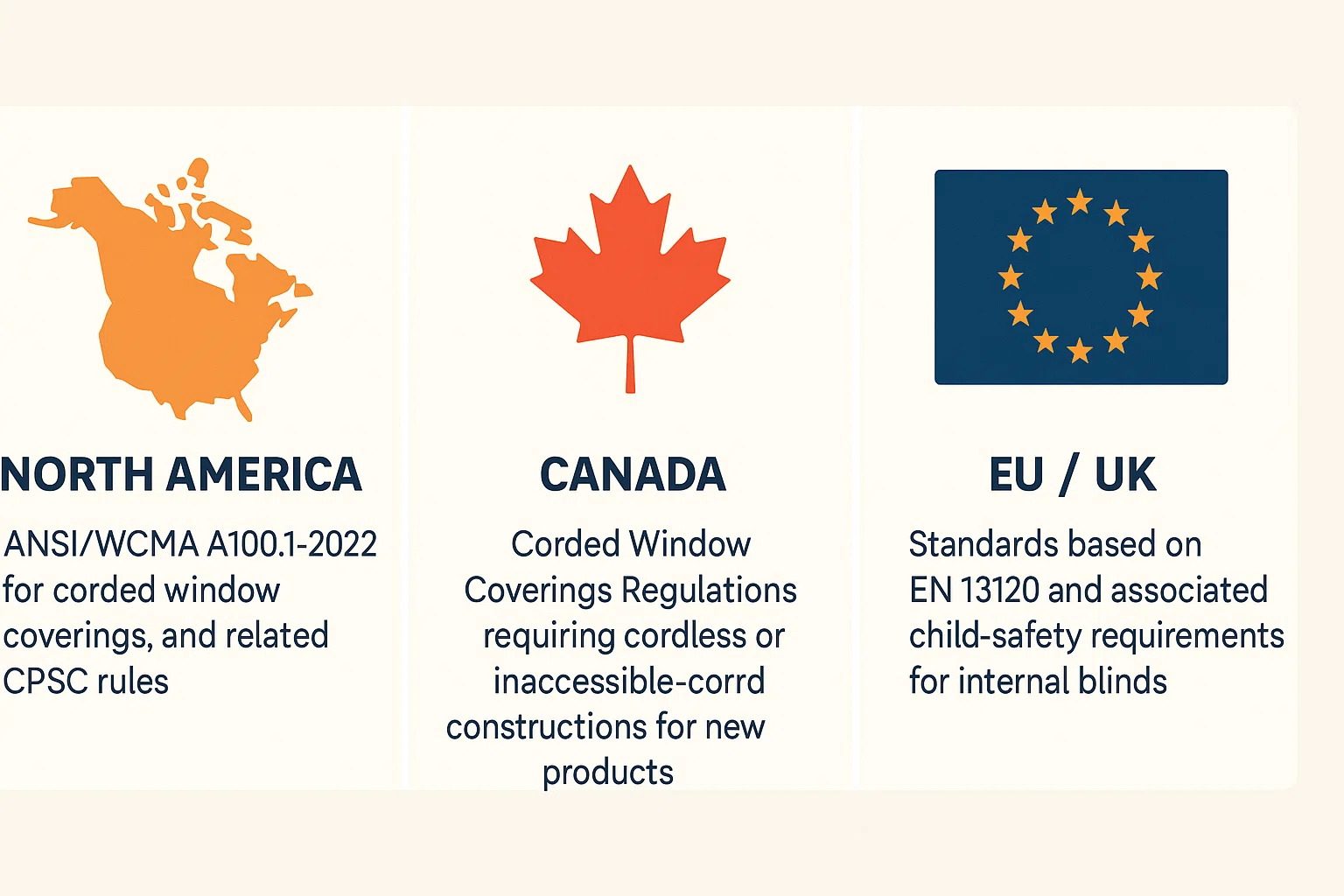
- North America: ANSI/WCMA A100.1-2022 for corded window coverings, and related CPSC rules on hazardous cords and substantial product hazards.
- Canada: Corded Window Coverings Regulations requiring cordless or inaccessible-cord constructions for new products.
- EU / UK: Standards based on EN 13120 and associated child-safety requirements for internal blinds.
Your first job is to map which standards each program must meet—retail private-label, trade custom, project work, online-only, etc.—then build the audit around those rules.
3.2 Step 2 – Segment SKUs by Risk and Revenue
Next, avoid trying to audit everything at once. Instead, place your SKUs into four buckets:
- High risk / high revenue: Bestsellers, nursery ranges, family-targeted products.
- High risk / low revenue: Legacy corded lines or old hardware still used in small volumes.
- Low risk / high revenue: Modern cordless ranges already close to best practice.
- Low risk / low revenue: End-of-life SKUs; often cheaper to phase out than to upgrade.
Your audit roadmap should focus first on high-risk/high-revenue and nursery/family-focused lines, then work outward.
3.3 Step 3 – Tier Your Suppliers
Not all suppliers are equal, especially when components like springs, spring boxes, brakes and motors define child-safety performance. A practical way to tier suppliers is:
- Tier A: Can provide detailed drawings, load charts, material certificates, cycle-life reports and change-control records without drama.
- Tier B: Good technical capability but documentation is weak or slow; needs support to reach A level.
- Tier C: Low transparency, limited test data, no clear child-safety understanding—candidates for replacement.
By 2026, your goal should be that critical safety components come only from Tier-A suppliers, or from Tier-B suppliers on a clear, time-bound improvement plan.
3.4 Step 4 – Run the Audit and Build a Gap-Closure Plan
When you actually run the audit (onsite, remote, or both), focus on evidence, not opinion:
- Use a structured checklist covering design, components, process and documentation.
- Score each item as compliant, partial, or non-compliant, with photos, document references and sample IDs.
- Translate findings into a gap-closure plan with owners, deadlines and measurable outcomes (e.g. “obtain third-party cycle-life reports for all cordless spring units in Program X before Q3 2025”).
The objective is not to produce a beautiful report; it is to drive real changes before retailers or regulators force you to.
3.5 Step 5 – Bake Safety Into Contracts and Annual Reviews
A one-off audit is helpful, but safety is a moving target. Once you’ve done the hard work:
- Add child-safety and documentation clauses to your supplier agreements.
- Make safety metrics (complaint rate, test-report freshness, audit scores) part of annual supplier performance reviews.
- Plan a re-audit cycle (for example, every 12–24 months, or when major design or tooling changes occur).
This turns safety from a panic reaction into a normal part of how your supply chain operates.
4. Turning Safety Into a Competitive Advantage
 |
 |
Done well, a safety-first audit doesn’t just protect you from risk—it creates new value.
4.1 Easier Access to Premium Channels
Retailers, project specifiers and online platforms increasingly prefer suppliers who can answer hard questions easily:
- “Which standard does this program meet?”
- “Show us the latest test reports and component specs.”
- “How do you ensure the same safety level across factories or regions?”
If your team can respond with clear documentation rather than scrambling for PDFs, you move from “risky” to “trusted partner”.
4.2 Stronger Brand Story for Parents and Designers
Behind the scenes, your audit is all spreadsheets and checklists. Front-of-house, it becomes a story:
- “Cordless by design, not by accident.”
- “Tested for thousands of quiet, safe cycles before it reaches your child’s room.”
- “Every component traceable, every program documented.”
When marketing teams can confidently use these messages—backed by real data—your cordless programs stop being just “another SKU” and start to look like a safer, smarter choice.
4.3 Reduced Total Cost of Risk
Finally, there is the unglamorous but crucial issue of cost. A strong safety-first supply chain helps you avoid:
- Field retrofits and returns when a safety issue appears.
- Legal and insurance complications after incidents or recalls.
- Hidden internal costs from urgent design changes, emergency testing and weekend re-work.
Against those numbers, the investment in a structured audit and a few more tests looks very modest.
FAQ – Safety-First Supply Chain Audit Before 2026
1. Why is the year 2026 so important?
Because by 2026, most major markets, large retailers and online platforms will fully expect cordless or short-cord solutions and robust documentation as the default. The big regulatory changes are already in force; 2025–2026 is when enforcement, retailer policies and consumer awareness catch up. Waiting until then to “start” your audit means accepting a window where you are exposed.
2. If my products are already cordless, do I still need a supply-chain safety audit?
Yes. Cordless design reduces one major hazard, but buyers and regulators also care about cycle-life, material safety, acoustic comfort, labelling, and documentation. A weak spring, poorly designed brake or missing test report can still cause failures, complaints or delistings.
3. Do I have to replace all corded products immediately?
Not necessarily. A good audit helps you prioritise: some ranges may be phased out, others converted to short-cord or cordless, and a few might be kept in markets where they are still allowed—with stronger warnings and controls. The key is that these decisions are conscious, documented and aligned with local rules.
4. What’s the difference between a safety-first audit and a normal quality audit?
A normal quality audit focuses on defects, workmanship and basic process control. A safety-first audit adds child-safety hazard analysis, regulatory alignment, component-level engineering data and documentation traceability. It asks “Is this safe and compliant for children and families?” not just “Does this unit work today?”
5. Who inside my company should lead the safety-first audit?
Ideally, it’s a joint effort between product/engineering, quality, and sourcing. Product understands design intent, quality understands process and testing, and sourcing controls supplier relationships. If any one of these functions is missing from the table, important gaps are easy to miss.
6. How often should we repeat the audit?
A good baseline is every 12–24 months, plus whenever you:
- Launch a major new program or hardware platform.
- Change critical components, factories or regions.
- See safety-related complaints or incidents rise.
7. Do we need third-party labs, or is internal testing enough?
For internal control, good in-house testing is powerful. But many retailers and project buyers will expect third-party reports from accredited labs for key safety tests. A safety-first audit should map where external reports are mandatory and where internal data is acceptable.
8. How does this impact my upstream component suppliers?
They will feel the pressure too. Expect to request drawings, material specs, test data and change-control records from spring makers, plastic part suppliers, motor manufacturers and assemblers. Suppliers who can’t provide this may be fine for generic hardware—but not for safety-critical window coverings in 2026.
9. What if my main factory resists extra audits or documentation work?
That resistance is itself a data point. You can start with pilot programs, offer support in building documentation, or link improved safety grades to preferred-supplier status and future volumes. If the pushback continues, you may need to diversify to factories that treat safety as a long-term advantage, not a burden.
10. Where should we start if we have limited internal compliance resources?
Start small but focused: pick one high-risk, high-volume program (for example, a family-oriented cordless range), map its full supply chain, and run a pilot safety-first audit there. Use the lessons, templates and checklists from that pilot as the model for other programs.
Field Insight – What We’re Seeing in Real Supply Chains Ahead of 2026
Across brands and OEMs preparing for the next wave of regulations and retailer policies, a few patterns stand out:
- Early movers are using safety as a sales tool, not just a shield. They bring test data and clear stories to buyers instead of waiting to be asked.
- Component transparency is becoming a differentiator. Spring, mechanism and motor suppliers who share real engineering data are winning share from low-price, low-visibility alternatives.
- Documentation discipline separates “ready” from “almost ready”. Many factories can build a safe product; fewer can prove it quickly with clean, traceable files.
- Brands that treat 2025–2026 as a runway—not a deadline—sleep better. They spread redesign and testing over several seasons instead of trying to fix everything in one panic year.
If your supply chain hasn’t had a safety-first audit yet, the best moment was yesterday. The second-best is before your next buying cycle—well ahead of 2026, while you still have time to adjust on your terms instead of someone else’s.