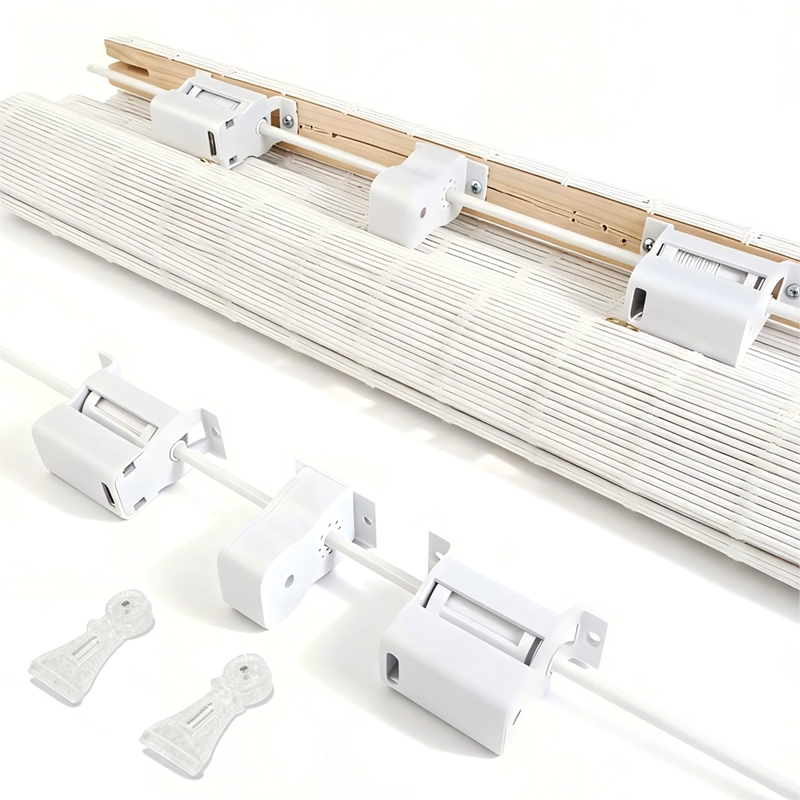
Turning Safety into a Selling Point: Marketing Child Safe Blinds to American Homeowners
[Hero Image: Old Corded Blinds vs. Modern Cordless Child Safe Blinds in an American Living Room]
Quick Summary — For Marketing & E-Commerce Teams
Child safety is no longer a footnote in the U.S. window covering market — it is a
primary filter for many parents and pet owners. This article maps how to turn
child safe cordless blinds into a clear selling point across the entire buyer journey:
search, product pages, packaging, in-store displays, installer scripts, and after-sales content.
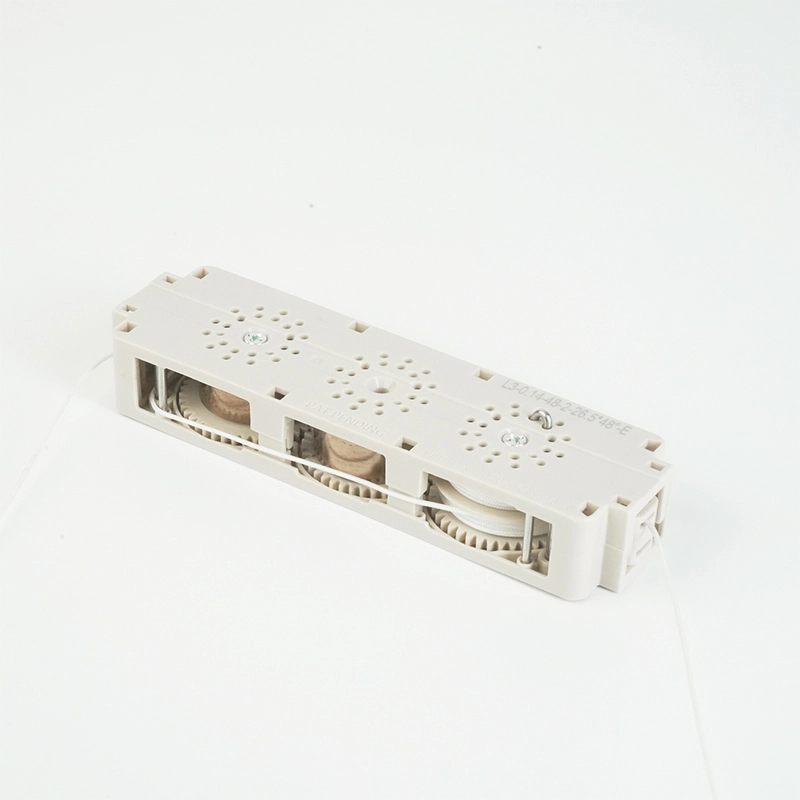
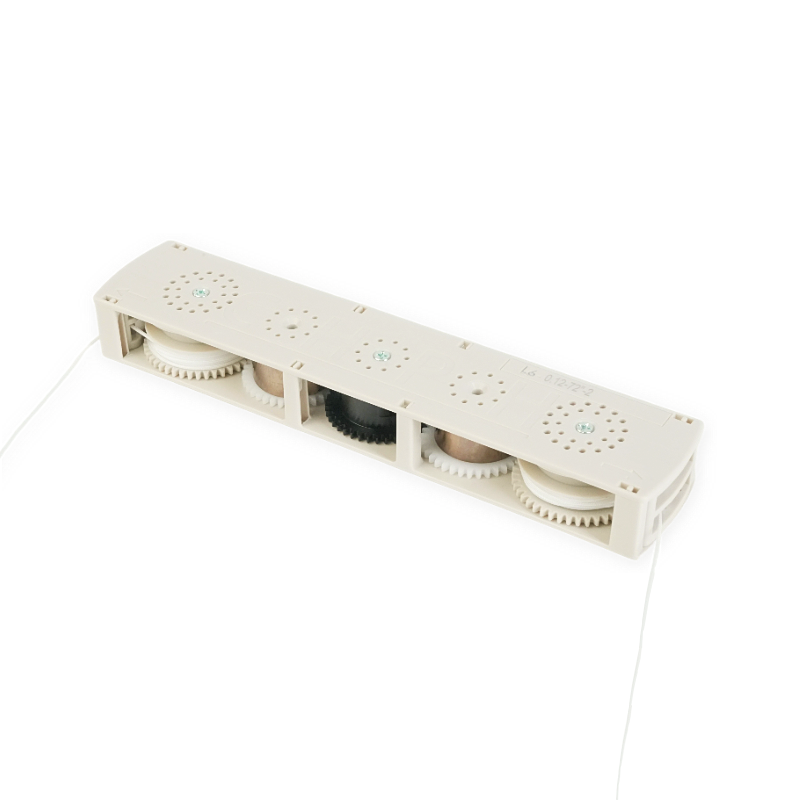
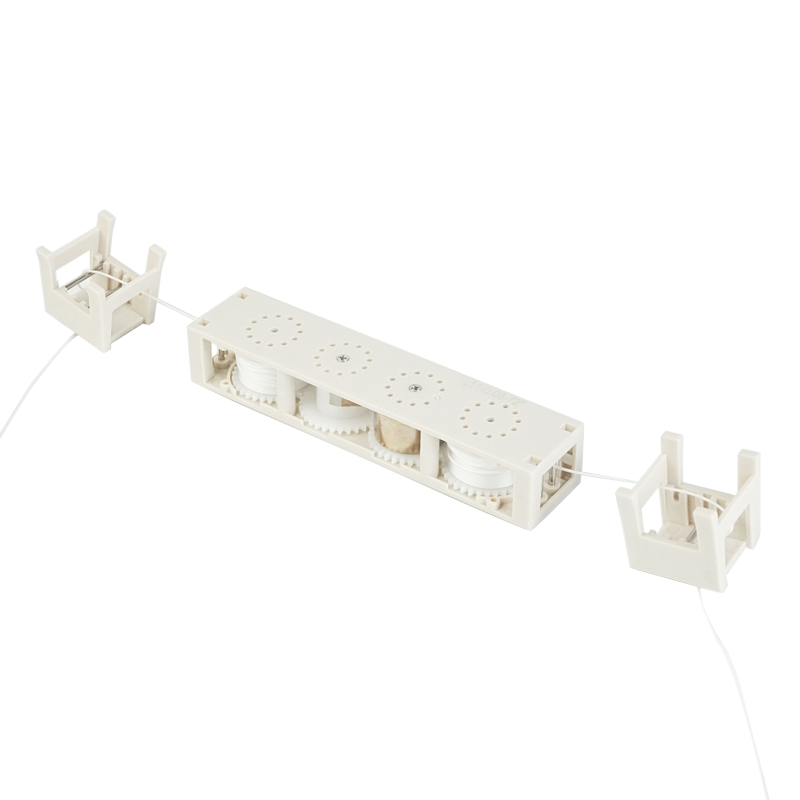
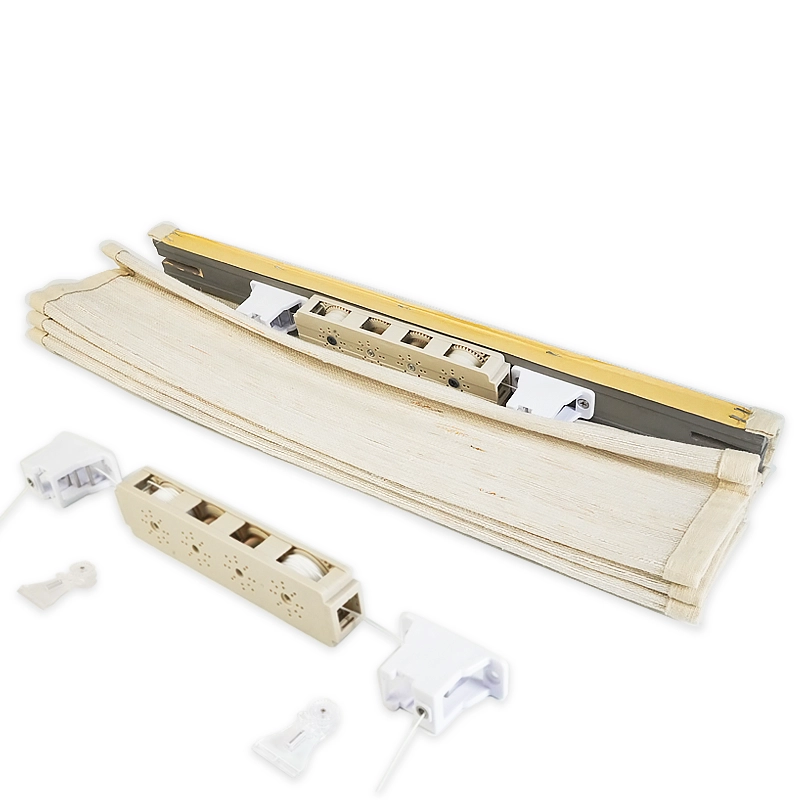
It also explains how robust hardware platforms — such as DOSRON cordless spring boxes and
spring motor mechanisms — give you the technical backbone to support every marketing claim
with real engineering.
1. Start from the American Homeowner’s Journey
[Image: Simple Journey Map — Search → Compare Brands → In-Store Demo → Installation at Home]
Before writing any copy, map how a typical U.S. homeowner meets your brand. For child safe blinds,
the journey usually looks like this:
- Search: They Google “cordless blinds for nursery”, “safe blinds for kids and pets”, or
“child safe window coverings”. They click results that clearly mention cordless and
child safety in the title. - Research: They compare 3–5 brands, mostly by scanning product titles, hero images,
badges, review scores, and 2–3 key bullets. Deep technical content is rarely read at this stage. - Shortlist: They open two or three tabs or visit a store to touch display samples.
They test how heavy the blind feels and whether it really has no cords. - Purchase & Install: They hope the blinds feel as easy and safe as promised.
If the motion is jerky or the blind drifts, their trust in your “child safe” label drops immediately. - Afterwards: They only think about blinds again if there is a problem —
or if they are pleasantly surprised and recommend them to friends.
Your job is to make “child safe design” visible and believable at each stage,
without overwhelming them with compliance language. The simplest rule:
if a step involves a decision, the cordless child safe story should be visible there.
2. Attract: Use Safety-Led Content Without Fear-Mongering
[Image: Blog Page — “Nursery Safety in 10 Minutes” Featuring Cordless Child Safe Blinds]
At the top of the funnel, use educational content to position your brand as the calm expert, not a fear merchant.
U.S. parents are already anxious; they don’t need more horror stories — they need clear, practical guidance.
Effective formats include:
- Blog posts explaining why cordless blinds are safer in kids’ rooms,
and where corded products should never be installed (nurseries, playrooms, bunk bed areas). - Short videos or reels showing parents easily lifting
cordless roller shades or honeycomb shades with one hand while holding a child or pet. - Downloadable checklists like “Nursery Safety in 10 Minutes” that include
window covering safety as one clear step alongside outlets, furniture anchoring, and gates. - Comparison guides that calmly contrast corded vs. cordless options:
explaining that modern spring-balanced mechanisms hide the work inside the headrail.
Here you can gently hint at the engineering behind your products:
“Our cordless systems use spring-balanced mechanisms inside the headrail, so there are no loose cords and the shade stays where you set it.”
For B2B readers and trade partners, you can link to deeper pages that show torque curves and cycle-life testing.
3. Convert: Make Safety a Core Section on Product Pages
[Image: E-Commerce Product Page Mockup — Cordless Child Safe Blinds with Safety Icons]
On your product page, safety should sit alongside style and performance — not be buried in fine print.
A dedicated “Child & Pet Safety” block makes your promise impossible to miss.
Consider including:
- A one-line promise:
“Cordless lift design — no exposed pull cords for children or pets.” - A 3–4 bullet benefit list:
- Cordless spring mechanism hidden inside the headrail for a clean façade.
- Controlled motion so the blind doesn’t snap up when released.
- Stable hover at any height for everyday use in kids’ rooms and nurseries.
- Engineered to support modern U.S. cord safety expectations for family homes.
- One cross-sectional or diagram image showing the internal mechanism in simple terms: spring, brake, housing,
and bottom rail interface.
Because the underlying hardware (for example, DOSRON’s cordless spring box or
spring motor families) is designed with defined torque curves and cycle tests, your claims
can be specific instead of vague. Marketing and engineering stay aligned.
4. Package & In-Store: Turn the Box into a Mini Safety Billboard
[Image: Retail Packaging — “Cordless Child Safe Design” Badge on Blind Boxes]
If you sell through retail channels, your packaging and in-store displays must communicate safety in under five seconds.
Many parents will choose directly from the shelf, without reading your full website.
Strong packaging elements include:
- Front panel badge: “Cordless Child Safe Design” with a simple child + crossed-out cord icon.
- Side panel bullets: “No loose lift cords”, “Recommended for nurseries and playrooms”,
“Tested internal spring mechanism for smooth, controlled motion”. - QR code: Linking to a short safety video or interactive guide that shows how
cordless window coverings reduce risk compared with old corded systems. - In-store display: A cut-open headrail sample or simple diagram explaining how the
spring mechanism and brake work together.
Shoppers don’t need equations; they just need to see that there is real engineering behind your promise,
not only marketing language.
5. Installers & After-Sales: Reinforce Safety in Real Life
[Image: Professional Installer Demonstrating Cordless Blind Operation to a Young Family]
The first time a homeowner uses the blind after installation, they silently assess whether your safety claims feel real:
- Is the motion smooth and light, or jerky and unpredictable?
- Does the blind stay where they leave it, or slowly drift?
- Is there anything a child could pull or get tangled in?
If you are using a well-tuned cordless spring mechanism or spring-motor platform,
the answer should be reassuring. Help installers strengthen that moment:
- Provide a short script:
“This model is cordless, so there are no pull cords. You can lift it up or down with one hand and it will stay where you set it, which makes it safer in kids’ rooms.” - Include a simple safety card in the box with diagrams, DOs and DON’Ts, and a QR link to more tips.
- Offer a short email sequence after purchase with a home safety checklist, including
window covering safety and how to keep blinds child and pet friendly over time.
When installers, packaging, and product pages all tell the same story, your “child safe blinds” promise becomes
something the homeowner can feel, not just read.
6. Measure What Works: KPIs for Safety Messaging
[Image: Analytics Dashboard — KPIs for Child Safe Blind Campaigns]
If you want to treat child safety as a core selling point, give it real KPIs instead of “nice to have” status.
Safety messaging should be as measurable as discounts or new colors.
Track metrics such as:
- Click-through rate on safety-focused banners and product sections vs. generic messaging.
- Conversion rate for pages with vs. without explicit “Child & Pet Safety” modules.
- Share of reviews that mention child safety, peace of mind, or ease of use around children and pets.
- Complaint rate about operation, such as “too hard to lift”, “snaps up”, “drifts down”, or “feels unsafe”.
When your program uses consistent spring platforms from a single component partner like DOSRON,
it becomes easier to manage these KPIs: fewer surprises in the field, more consistent user experience,
and clearer marketing feedback. You can adjust messaging and product architecture with confidence.
7. Align with Your Component Supplier to Keep the Story Honest
[Image: Collaboration — Brand Team and DOSRON Engineer Reviewing Cordless Spring Mechanisms]
A strong child safe blinds story starts inside the headrail. Your component supplier should act
as a co-engineer, not just a catalog vendor. Work with them to:
- Define which cordless spring box or spring motor models match each product family
(roller, zebra, honeycomb, faux wood). - Set clear design windows for each mechanism: minimum and maximum fabric weight, widths, and heights.
- Obtain summarized torque curves, cycle-life results, and hold-at-position tests
that you can translate into consumer-friendly proof. - Develop diagrams, cutaway samples, and internal training materials that marketing can use safely.
When engineering and marketing both rely on the same DOSRON spring platform data, your “child safe” claims stay
consistent from spec sheet to showroom.
FAQ: Making Child Safety a Real Selling Point
1. Is child safety more important than design for U.S. buyers?
In practice, buyers want both. Many parents first filter for cordless blinds,
then choose colors and styles. Your task is to make sure they never have to trade safety for aesthetics:
offer multiple fabrics and looks on top of a common cordless spring or spring-motor platform.
2. Should every product we sell be cordless?
Not necessarily, but you should be clear about which lines are appropriate for spaces used by children and pets.
Over time, many brands are shrinking corded ranges and making cordless, child safe designs
their default recommendation for family homes.
3. How detailed should we be about technical features on consumer pages?
Keep it light. One short paragraph and a simple diagram is enough for homeowners.
Save the full torque curves, material specs, and cycle-life charts for B2B presentations,
spec sheets, and internal training. Link to a “Behind the Tech” page for buyers who want more detail.
4. Can we re-use the same safety messaging across roller, zebra, honeycomb, and faux wood?
Yes, as long as your cordless mechanisms behave consistently.
You can keep a common promise of “no cords, easy lift, stays put” and then mention format-specific details
(e.g., room darkening vs. light filtering, moisture resistance, or blackout performance).
5. How does a component supplier actually help with marketing?
A good supplier doesn’t just ship parts. They provide:
- Test data and limits for what you can safely claim in your campaigns.
- Cutaway samples and diagrams for product education and trade training.
- Guidance on where their spring systems are strongest (widths, weights, fabrics).
This lets you build credible, consistent marketing messages that match the real performance window
of your child safe cordless blinds.
6. How can we highlight DOSRON in our private-label story?
For end consumers, you can simply note that your blinds use
“professional cordless spring mechanisms from a specialist manufacturer.”
For B2B and OEM partners, you can reference DOSRON by name and share more detailed information about
cordless spring boxes, spring motor platforms, torque bands, and cycle-life performance.
Need a Safer Story for Your Blind Portfolio?
Upgrade your range architecture with proven child safe cordless blinds.
Request the DOSRON Cordless Safety Pack with spring mechanism samples, torque data,
and suggested product-page layouts for U.S. family buyers.
*Recommended for Category Managers, Brand Owners & OEM Teams targeting the U.S. family market.
Field Insight — Turning Engineering into Marketing Assets
To turn child safety into a true selling point in the U.S. market, make sure engineering, marketing,
and installation teams work from the same foundation:
- Standardize: Build multiple product lines on a few robust
cordless spring / spring motor platforms, rather than mixing many unknown mechanisms. - Document: Maintain clear internal specs and test reports (torque curves, cycle-life,
recommended loads) that support your “child safe cordless blinds” claims. - Translate: Convert engineering data into simple benefits — “no cords”, “stays put”,
“smooth lift” — that U.S. homeowners understand in three seconds. - Reinforce: Repeat the same safety promise and wording at search, product pages, packaging,
in-store displays, installer scripts, and after-sales communication. - Review: Monitor KPIs and field feedback, especially any complaints related to operation,
and use them to fine-tune both your DOSRON spring configurations and your consumer messaging.
When your child safe blinds story is built on stable cordless mechanisms and consistent language,
safety stops being a buzzword and becomes a repeatable, defensible advantage in the American market.