Quick Summary
For brands, developers and system integrators, the real cost of a cordless roller blind project is not only the hardware price – it is the
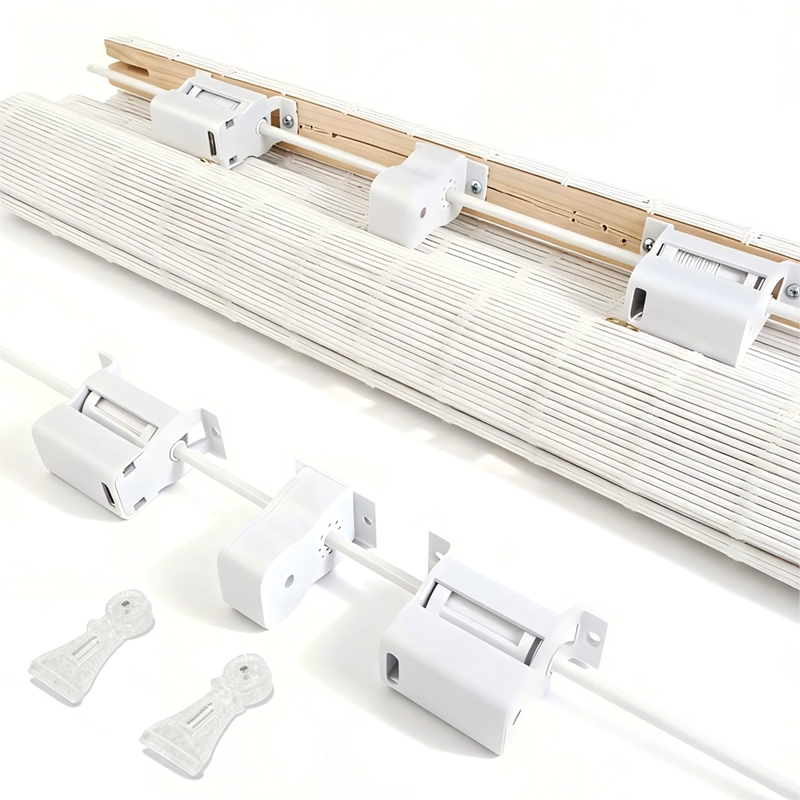
installation time, error rate and call-back risk. A modern cordless roller blind spring system with
plug-and-play modules for 32 mm and 38 mm tubes can turn a 20–30 minute installation into a 5–8 minute job.
This article looks at the cordless roller blind hardware from an installer’s point of view, comparing traditional complex systems with a
streamlined cordless solution. The message is simple:
“Make installation faster, and you save your B2B customers real money on every project.”
1. The Hidden Cost Nobody Budgets For – Cordless Roller Blind Installation
When brands quote cordless roller blind projects, the spreadsheet usually focuses on visible items: fabric, tubes, brackets, headrails and motors.
But on site, project managers quickly realise that the hardest line to control is installation.
Every extra five minutes per blind means:
- More paid hours for cordless roller blind installation crews.
- More clashes with other trades at the end of the construction schedule.
- Higher risk of rushed work, mistakes and call-backs.
For developers and general contractors, that means delayed handover, extra supervision and pressure on cash flow.
For brands and system integrators, it means squeezed margins and damaged reputation when blinds become “the last headache” before practical completion.
2. A Day on Site: An Installer’s Cordless Roller Blind Perspective
2.1 The Old Way – Complex Systems and Stressful Jobs
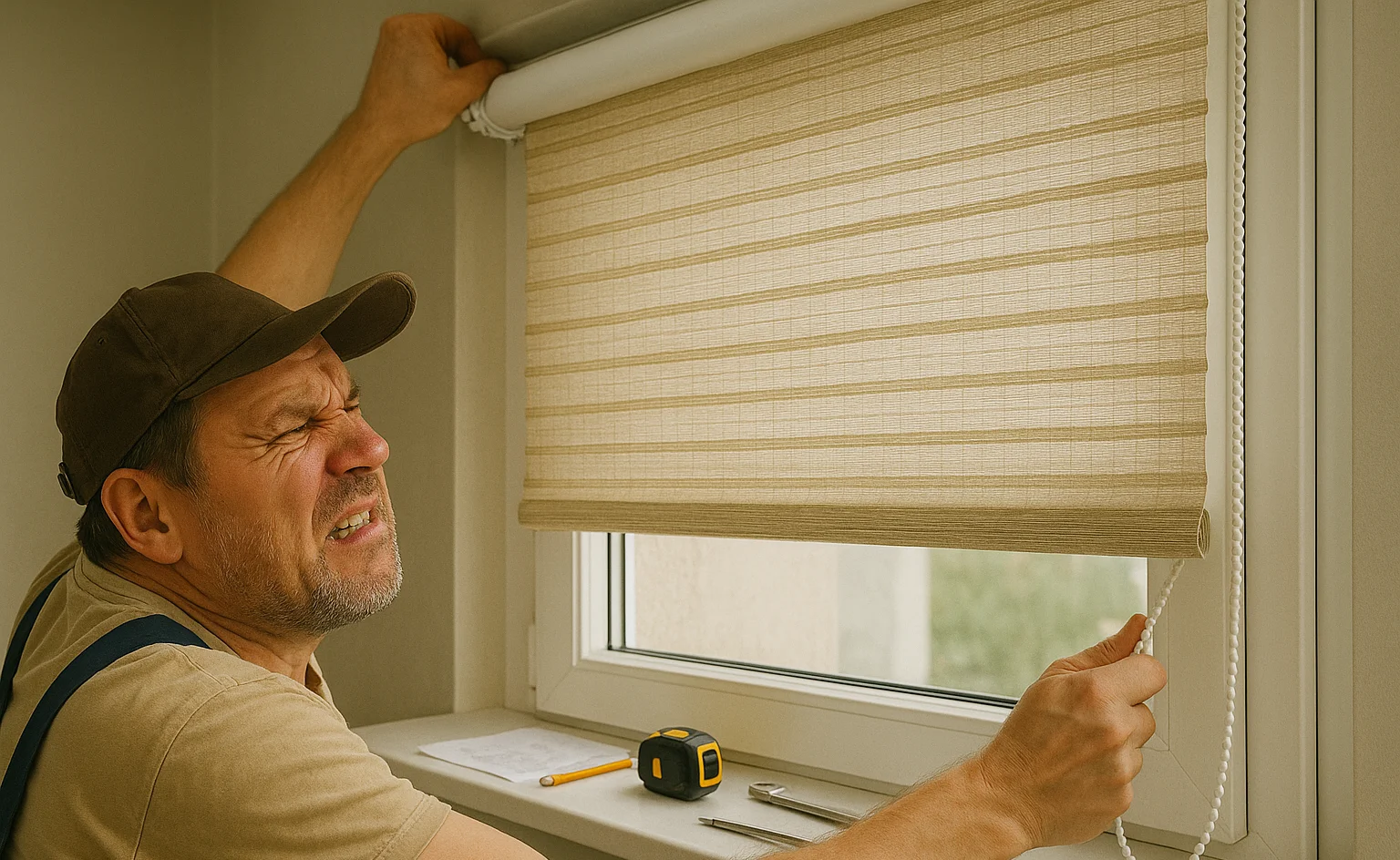
Imagine an installer arriving on site at 8:00 a.m. There are 60 roller blinds to fit that day. The drawings say “all standard,” but the
hardware is a mixture of different brackets, clutches and spring units. None of it is really plug-and-play.
With a traditional system, a single blind can involve:
- Checking and cutting the tube for the right width.
- Choosing a spring or clutch from several options.
- Pre-tensioning the spring by “feel” and guessing the right number of turns.
- Mounting the blind, testing full up and down travel, then taking it down again to correct alignment or tension.
By the third or fourth window, the installer knows the pattern:
20–30 minutes per blind, plus at least one re-try on any unit with heavy fabric or wider width. New crew members slow everything down further,
because they are not yet comfortable with the hardware’s quirks.
2.2 The New Way – Plug-and-Play Cordless Roller Blind Spring System
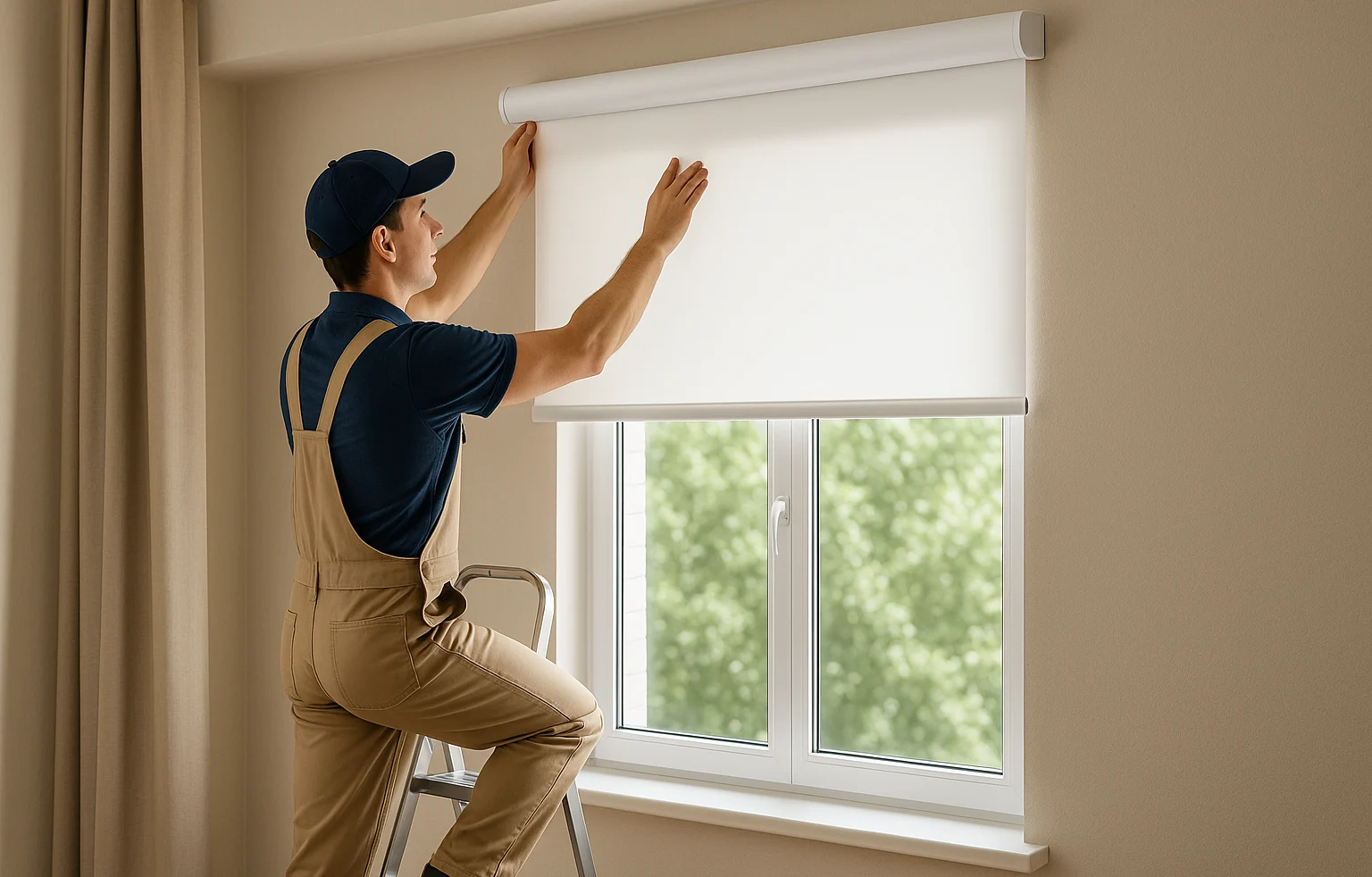
Now imagine the same installer on a different project – this time using your installer-friendly cordless roller blind system.
The blinds are still a mix of bedroom, living room and office openings, but the hardware strategy is completely different.
Every cordless roller blind arrives on site with:
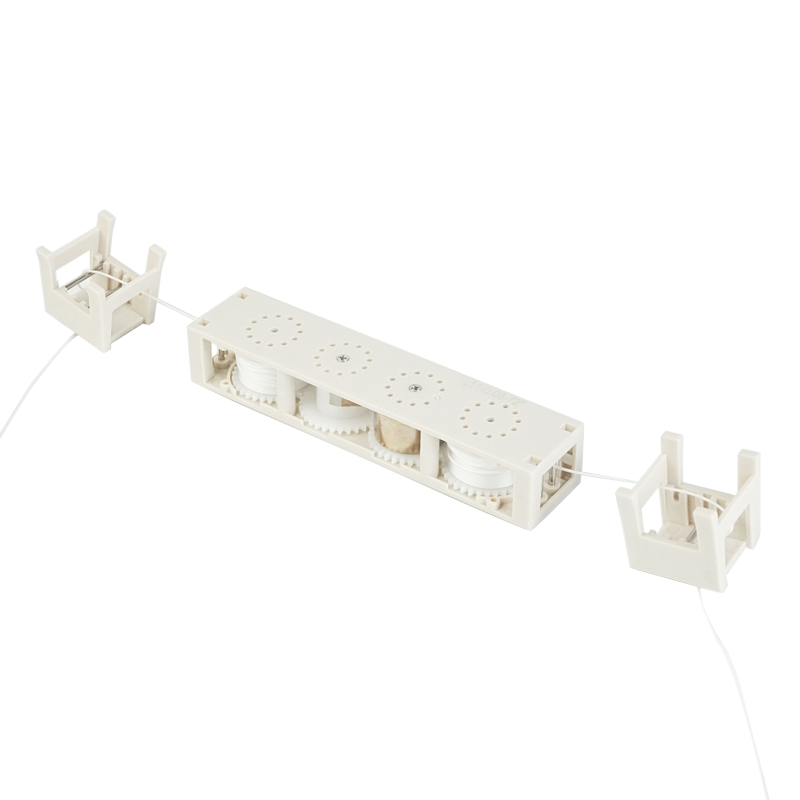
- A pre-matched cordless spring module for either a 32 mm or 38 mm tube.
- Clearly marked left and right components with simple icons and colour cues.
- A one-page picture-only installation guide and a QR code linking to a 2-minute video.
Instead of “tuning” springs, the installer follows a straightforward routine:
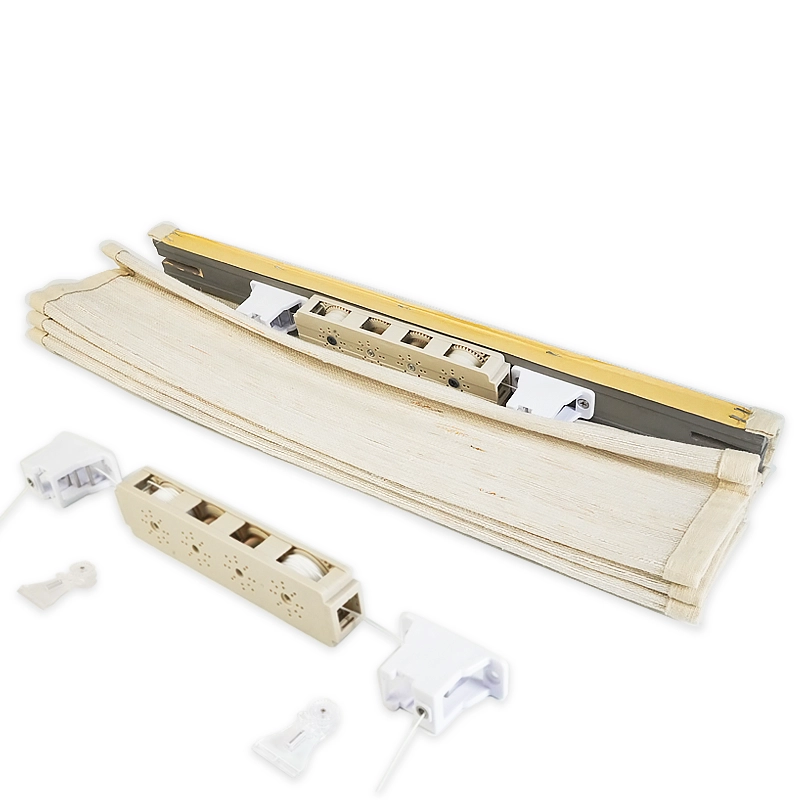
- Insert the pre-assembled tube with fabric into the brackets.
- Click the 32 mm or 38 mm spring unit into the corresponding bracket interface.
- Turn the spring three times, make a minor adjustment if needed, and move on.
Realistically, the same installer can now finish a standard cordless roller blind in 5–8 minutes, with far fewer mistakes and almost
no guesswork – even when supervising new crew members.
3. Inside the 5-Minute Cordless Roller Blind Spring System (32 mm & 38 mm)
3.1 Pre-Engineered Spring Modules
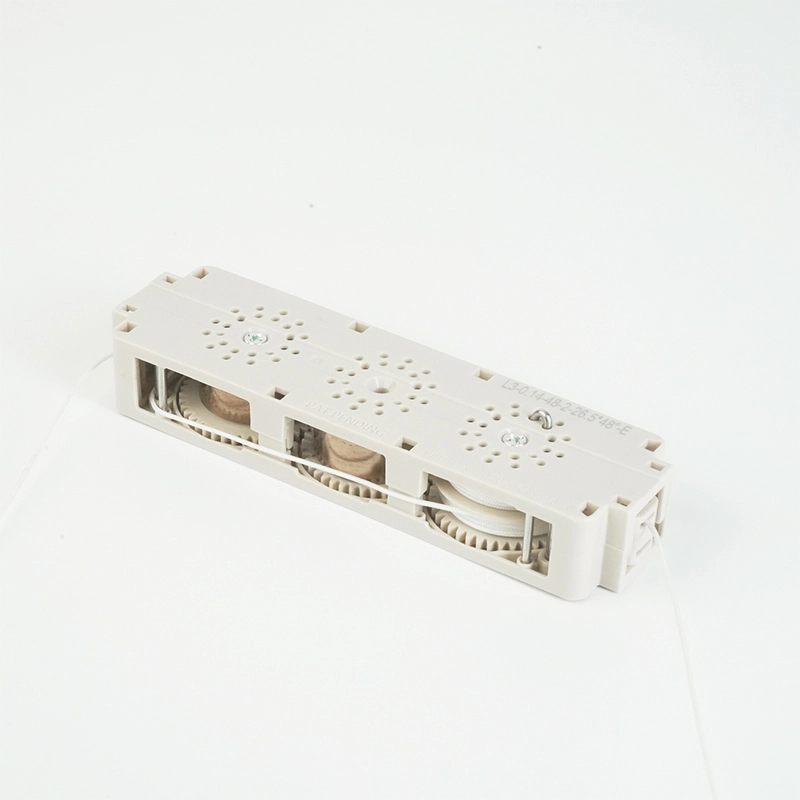
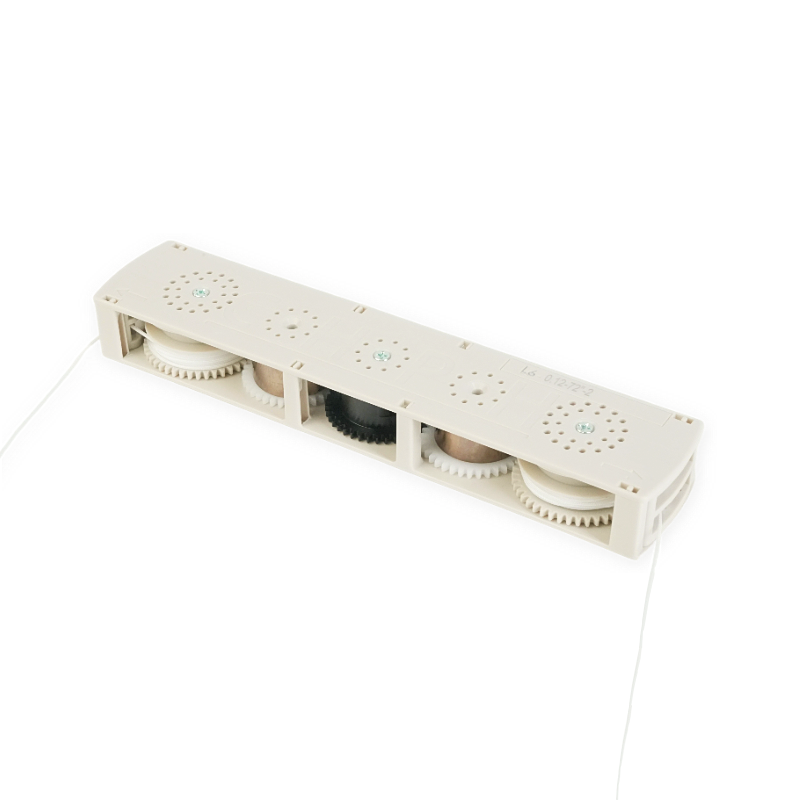
At the heart of the system is a sealed cordless spring module that has been engineered and tested in the factory, not
improvised on site. The module uses a constant-force spring inside a low-friction housing to balance the blind’s fabric and bottom rail.
For the installer, this means:
- No need to calculate or trial coil turns on site.
- No exposed springs that can jump out or deform during handling.
- Predictable lift behaviour from top to bottom – the cordless roller blind simply “feels right.”
3.2 Two Tube Sizes, One Simple Cordless Roller Blind Platform
 |
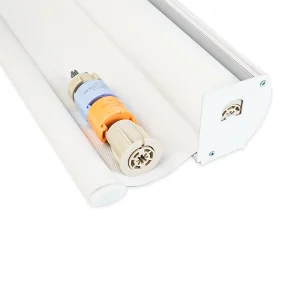 |
Instead of four or five different tube diameters, the platform focuses on the two workhorse sizes:
32 mm and 38 mm. Between them, they cover the vast majority of residential and light commercial
cordless roller blind applications.
- 32 mm cordless roller blind spring units – ideal for standard widths and lighter to medium-weight fabrics.
- 38 mm cordless roller blind spring units – designed for wider blinds, blackout fabrics and heavier bottom rails.
Each tube size has its own matching set of end caps, brackets and idlers, but the installation logic is the same:
insert, turn, test. Installers only need to learn one cordless roller blind system, then apply it to both diameters.
3.3 Visual Guidance and Minimal Tools
Every box of hardware ships with clear, visual instructions. Instead of dense text, the guide shows:
- Which orientation the 32 mm or 38 mm spring unit should face.
- How to lock the bracket safely in place.
- How many test cycles are recommended before sign-off.
The required tools are basic – screws and a standard hand screwdriver. There is no need for special gauges or adjustment tools,
which further lowers the threshold for new installers joining the cordless roller blind team.
4. From Time Saved to Money Saved – The Cordless Roller Blind Business Case
For B2B customers, the best way to evaluate an installer-friendly system is to convert time saved into real money.
The table below uses typical project assumptions to illustrate the impact of a plug-and-play cordless roller blind design for 32 mm and
38 mm tubes.
| Tube Size | Typical Load Range (Fabric + Bottom Rail) | Traditional System Install Time / Cordless Roller Blind | Cordless Plug-and-Play Install Time / Cordless Roller Blind |
|---|---|---|---|
| 32 mm roller tube | Approx. 0.25 – 1.8 kg | 18 – 22 minutes | 5 – 8 minutes |
| 38 mm roller tube | Approx. 0.25 – 3.5 kg | 20 – 25 minutes | 5 – 8 minutes |
On a 100-blind project, saving just 12 minutes per unit on average means 1,200 minutes (20 hours) less labour. At a
modest labour rate, that is often more than enough to pay for the upgrade from a cheap, complex system to a
high-quality cordless roller blind spring platform.
There is also a second layer of savings: fewer errors and call-backs. When blinds are easier to install correctly the
first time, brands and developers spend less on trouble-shooting, re-visits and emergency fixes before handover.
5. Voice of the Installer – Why This Cordless Roller Blind System Wins Jobs
5.1 A Short Story from the Field
One installer summed it up perfectly after switching to a cordless roller blind spring platform for 32 mm and 38 mm tubes:
“On my old projects, I always kept one extra day in my head – not on the quote – just to deal with blinds that didn’t sit right.
With this cordless system, we finished a 50-blind floor ahead of schedule. I didn’t have to hide from the project manager; he was
the one thanking us.”
For installers, the value is very clear:
- Less fatigue – fewer re-installs and tricky spring adjustments.
- More billable work – faster jobs mean more completed openings per day.
- Less conflict – fewer on-site arguments about “why this blind doesn’t work.”
5.2 Why Installer Preference Shapes Your Cordless Roller Blind Brand
In many markets, installers act as quiet influencers. When they know a certain brand’s cordless roller blind is easy to mount, they tend to:
- Recommend that brand to dealers and project managers.
- Defend the product when end-users ask for last-minute changes.
- Bring the same hardware preference into future projects.
By choosing an installer-friendly cordless roller blind spring system, you are not only helping crews on site – you are also
building a network of professionals who want to work with your brand.
6. How to Transition Your Projects to an Installer-Friendly Cordless Roller Blind Platform
6.1 Start with Your Core Sizes and Fabrics
You do not need to switch everything overnight. A practical approach is to:
- Identify your top-selling blind widths and heights that naturally fit 32 mm and 38 mm tubes.
- Group fabrics by weight and pair them with the correct cordless spring modules for each tube size.
- Launch the cordless roller blind system as a preferred option in bedrooms, living rooms and nursery ranges.
6.2 Train One Crew, Then Scale
Select a core installer team and give them hands-on training with the new hardware:
- Run a mock installation of several blinds in a controlled environment.
- Time the installation and compare with your current system.
- Collect feedback on instructions, bracket design and handling.
Once this team is confident, they can train other crews, turning cordless roller blind installation know-how into a repeatable internal standard.
6.3 Build the Cost-Saving Story into Your Sales Pitch
Finally, make sure your sales and project teams are telling the right story:
- Highlight faster installation for 32 mm and 38 mm cordless roller blind systems in proposals and tenders.
- Quantify the time savings on a typical 50–100 blind project.
- Position cordless as a way to reduce hidden labour costs, not just as a design or safety upgrade.
When your customers understand that a better cordless roller blind system helps them protect their margins and schedules,
the upgrade becomes an obvious choice.
7. FAQ – Cordless Roller Blind Spring Systems for 32 mm & 38 mm Tubes
Q1. What is the main benefit of a cordless roller blind spring system for 32 mm and 38 mm tubes?
The main benefit is faster, more predictable installation. Installers handle fewer parts, make fewer adjustments and
can finish each cordless roller blind in a fraction of the time, which lowers the total project cost for your customer.
Q2. How does this cordless roller blind system reduce installation errors?
The spring modules are pre-engineered for specific load ranges and tube sizes. Clear visual instructions and unified
brackets mean installers are less likely to mix components or mis-tension a blind, which significantly cuts down on call-backs.
Q3. Is the system suitable for both light-filtering and blackout fabrics?
Yes. Typically, 32 mm units are used for standard and lighter fabrics, while 38 mm units
are optimised for heavier blackout fabrics and wider openings. Within those ranges, different spring models can be matched to fabric
weight in a cordless roller blind configuration.
Q4. Does a cordless roller blind spring system support child-safety requirements?
By design, a cordless system has no exposed lift cords or chains on the front of the blind, supporting modern child-safety expectations and helping brands align with evolving safety standards in key markets.
Q5. What kind of training do installers need before using this cordless roller blind system on projects?
Most teams need only a short orientation session and a few trial installations. Because the logic for 32 mm and 38 mm hardware is unified, the learning curve is much shorter than with traditional multi-platform systems.
Field Insight
In real projects, the biggest savings rarely come from shaving a few cents off component prices. They come from making
cordless roller blind installation simpler, faster and more repeatable. By standardising on a cordless spring platform built around
32 mm and 38 mm tubes, you give installers a system they trust – and give your B2B customers a
measurable reduction in hidden labour costs on every floor, every building and every project.
In other words, when you make installation easier, you are quietly saving your customers real money – and that is exactly how long-term partnerships are built.