Beyond Motorization: How to Solve the WCMA Safety Standard Without Doubling Cost
 |
 |
Quick Summary
The latest ANSI/WCMA and CPSC rules push the industry toward cordless and child-safe blinds, but they do not say “everything must be motorized.” A motor-only response often 1.6–2.0×’s hardware and installation cost and still leaves safety gaps if loops and inner cords are not redesigned.
This article outlines a cordless-first strategy: use spring-balanced cordless mechanisms as the default, apply safe loop controls only where chains are truly needed, and reserve motorized or hybrid spring + motor systems for high-value segments. The goal is simple: meet WCMA child-safety expectations without doubling your cost base.
1. What the WCMA Safety Standard Really Targets
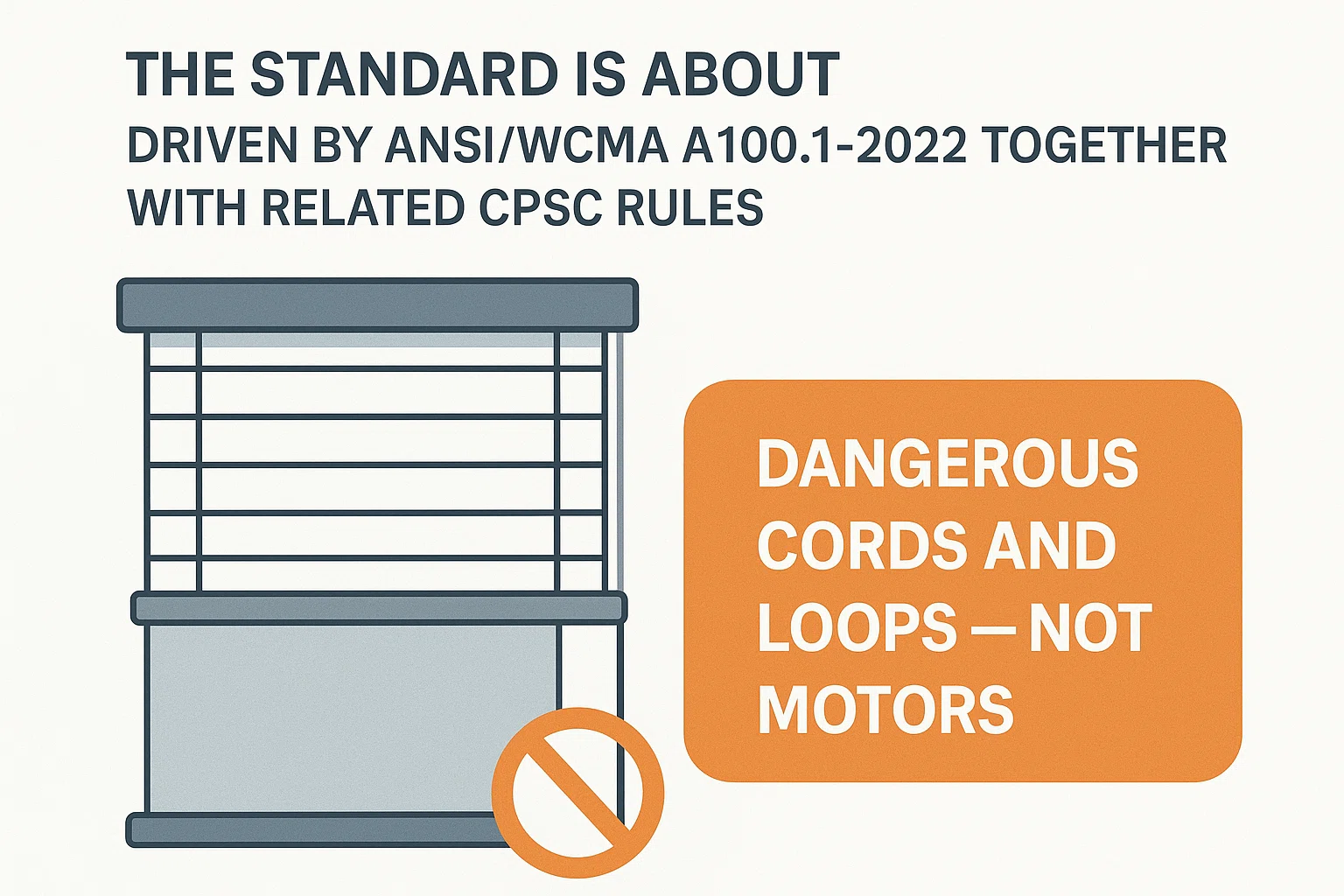
The modern safety framework for blinds in North America is driven by ANSI/WCMA A100.1-2022 together with related CPSC rules. For product people, it helps to translate the legal text into one core idea:
The standard is about dangerous cords and loops — not about motors.
1.1 A Practical Checklist for OEMs
From an engineering and portfolio perspective, the key expectations look like this:
- No long, free-hanging operating cords on the majority of stock and custom products.
- Cordless (cord-free) operation wherever it is technically and commercially feasible.
- Continuous loops allowed only when secured with a compliant tension device and installed correctly.
- Inner cords and ladders that cannot be pulled out to form hazardous loops.
- Correct warnings and traceability on labels, packaging and documentation.
When you look at the standard that way, it becomes clear that there are multiple technology paths to compliance — and that motorization is just one of them.
1.2 Why “Motorize Everything” Became the Default Reaction
In many organizations, the fastest internal story was: “If we remove the chains and add motors, we must be safe.” It feels decisive, and retailers like the idea of “smart blinds.”
The problem is that this shortcut quietly stacks up cost and complexity across your catalog, without always addressing the real hazards. That is where a more strategic approach makes a difference.
2. The Cost Trap of “Motorize Everything”
Before shifting your entire range to motors, it’s worth making the cost structure visible.
2.1 Direct & Indirect Cost Layers
- Hardware cost — Motor, control electronics, batteries or wiring, and remote/gateway typically push the BOM to 1.6–2.0× that of a well-designed cordless spring blind of similar size.
- Installation time — A 5–8 minute cordless install easily becomes 20–30 minutes once power checks, limit setting, pairing and troubleshooting are included.
- After-sales load — Batteries age, Wi-Fi and apps update, user settings get lost. Support tickets appear that have nothing to do with child safety but still hit your cost center.
- Over-spec in low-priority rooms — Guest rooms, stairwells, back offices and warehouse windows do not need app control but still must be child-safe.
2.2 Safety Gaps Motors Do Not Automatically Close
Even a motorized blind can be non-compliant if:
- A looped chain is still used for tilt or back-up operation.
- Inner cords can be pulled out to form a loop in front of the blind.
- Legacy Roman or Venetian hardware has not been adapted to the new rules.
So motorization alone is not a guarantee. You still need a cord-safe architecture inside the headrail.
3. Cordless Spring Mechanisms: The Compliance Workhorse
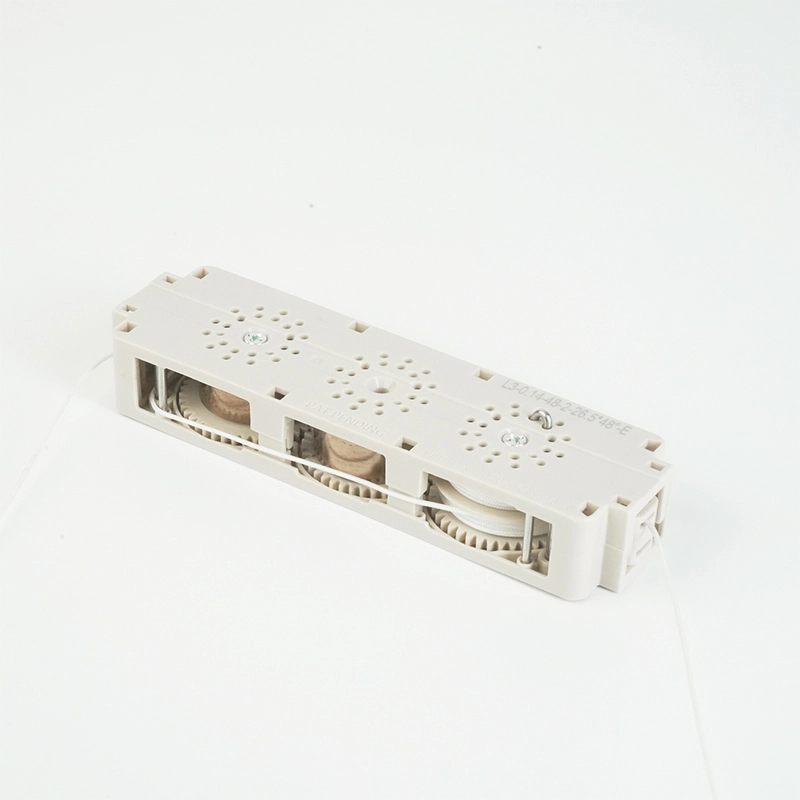
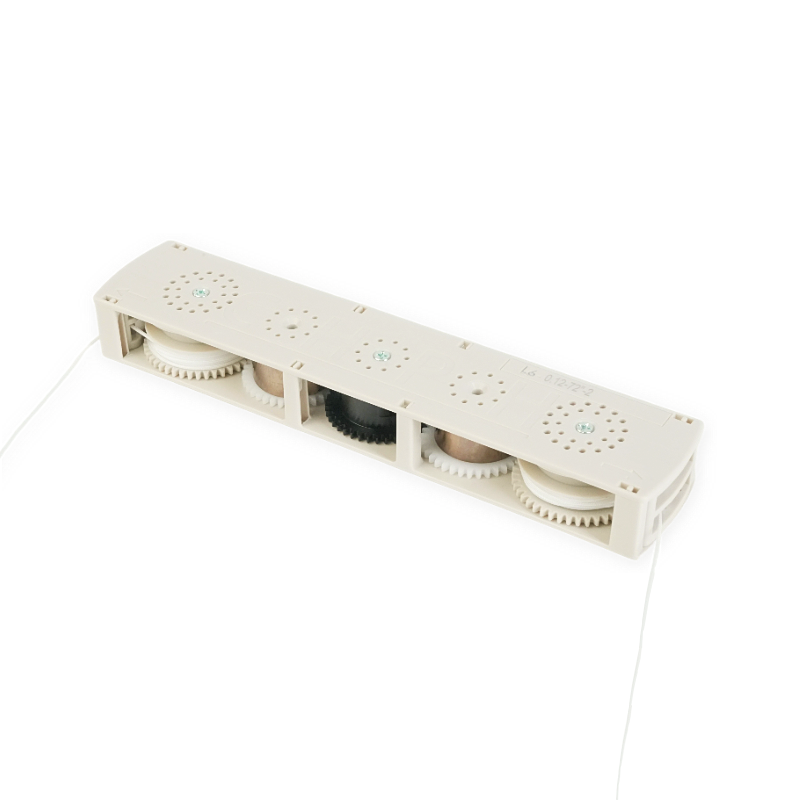
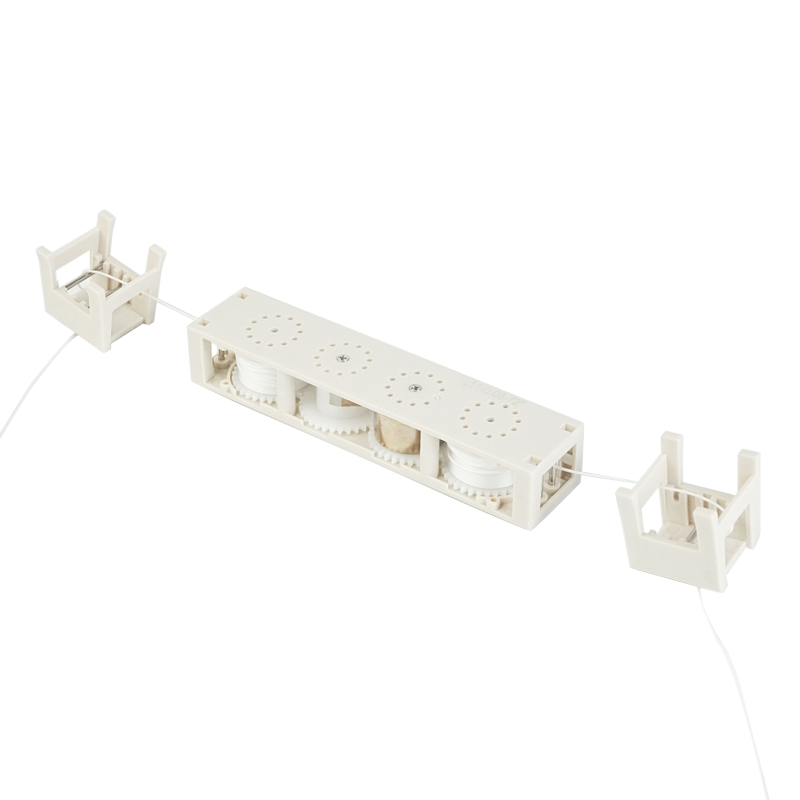
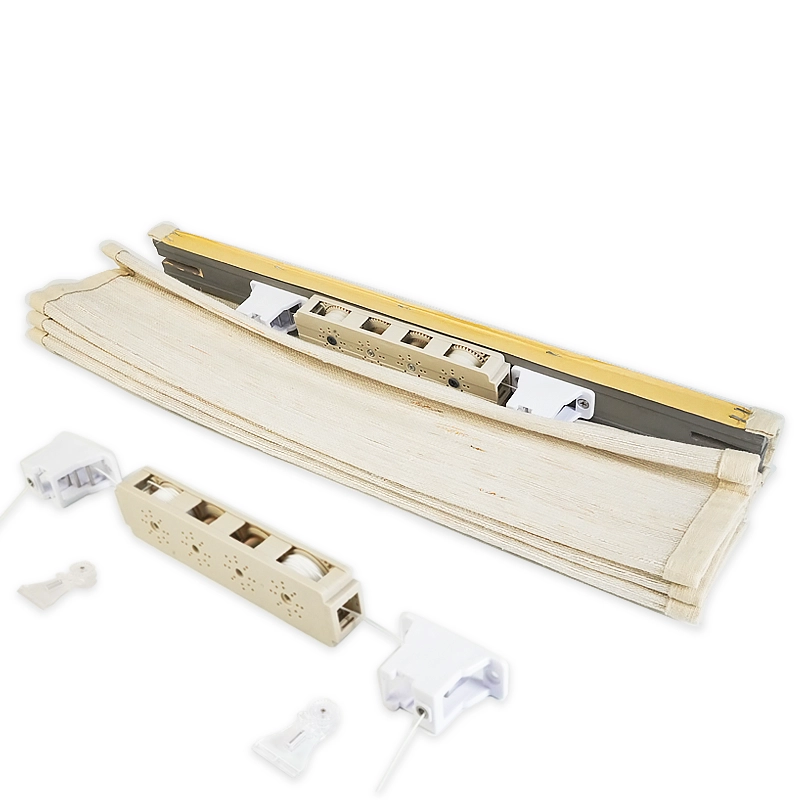
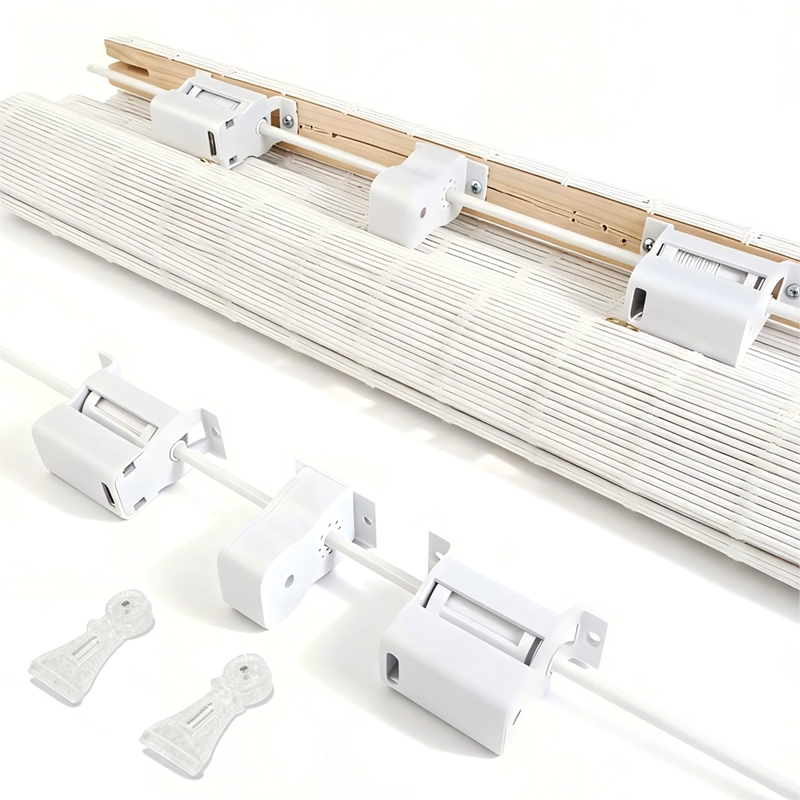
For many blind families, the most efficient way to satisfy WCMA and CPSC expectations is a cordless spring mechanism — a lift system where the “muscle” and “brain” are sealed inside the tube or headrail, and the user simply guides the bottom rail by hand.
3.1 How a Cordless Spring System Works
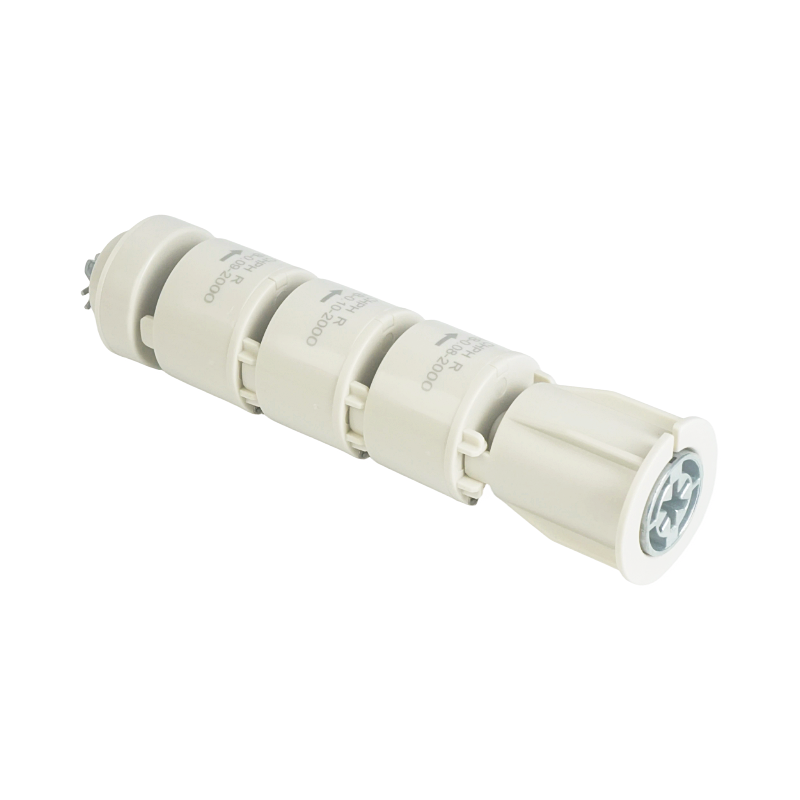
A modern cordless lift core typically combines:
- A constant-force or spiral torsion spring to balance fabric and bottom-rail weight.
- A brake or clutch that holds the blind at any position without creep.
- Damping elements to control upward speed and avoid snapping into the headrail.
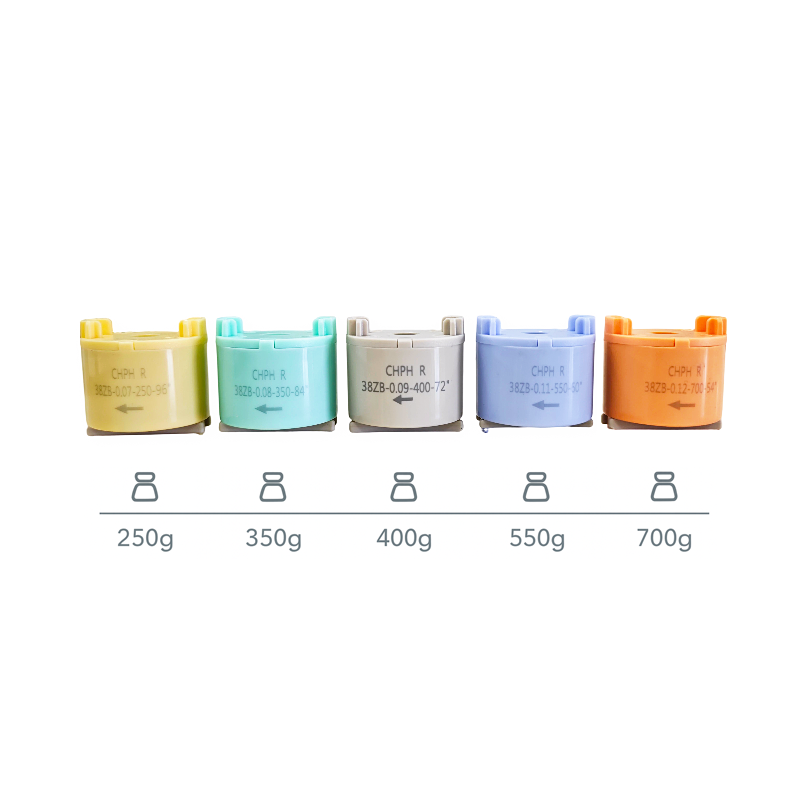
- A tension interface so installers can add or remove pre-turns to match real blind weight.
From a safety standpoint, the key advantage is obvious: there is no exposed operating cord at all. The main hazard targeted by WCMA is simply removed from the product.
3.2 Where Cordless Systems Fit Best
A single modular cordless platform can usually cover:
- Roller blinds — light-filtering and blackout, residential and commercial sizes.
- Zebra blinds — day & night blinds that need precise position control.
- Honeycomb / cellular blinds — with dedicated top-down/bottom-up options.
- Selected Romans and Venetians — via Roman-specific spring modules and tilt-wand solutions.
This creates a large slice of your catalog that is cordless, child-safe and only slightly more expensive than legacy chain systems — without a motor in sight.
4. Safe Loops & Short Cords: When You Still Need a Chain
Some applications still benefit from a loop or cord: very large commercial rollers, special cassette systems, or existing building standards. In those cases, the goal is not to eliminate loops but to neutralize their risk.
4.1 Designing Compliant Loop Controls
- Use certified tension devices that fix the chain to the wall or frame and prevent a hazardous loop from opening.
- Install them at the specified height so a child cannot place their head through the loop.
- Consider shrouded chains or guides in high-sensitivity projects (schools, childcare, healthcare).
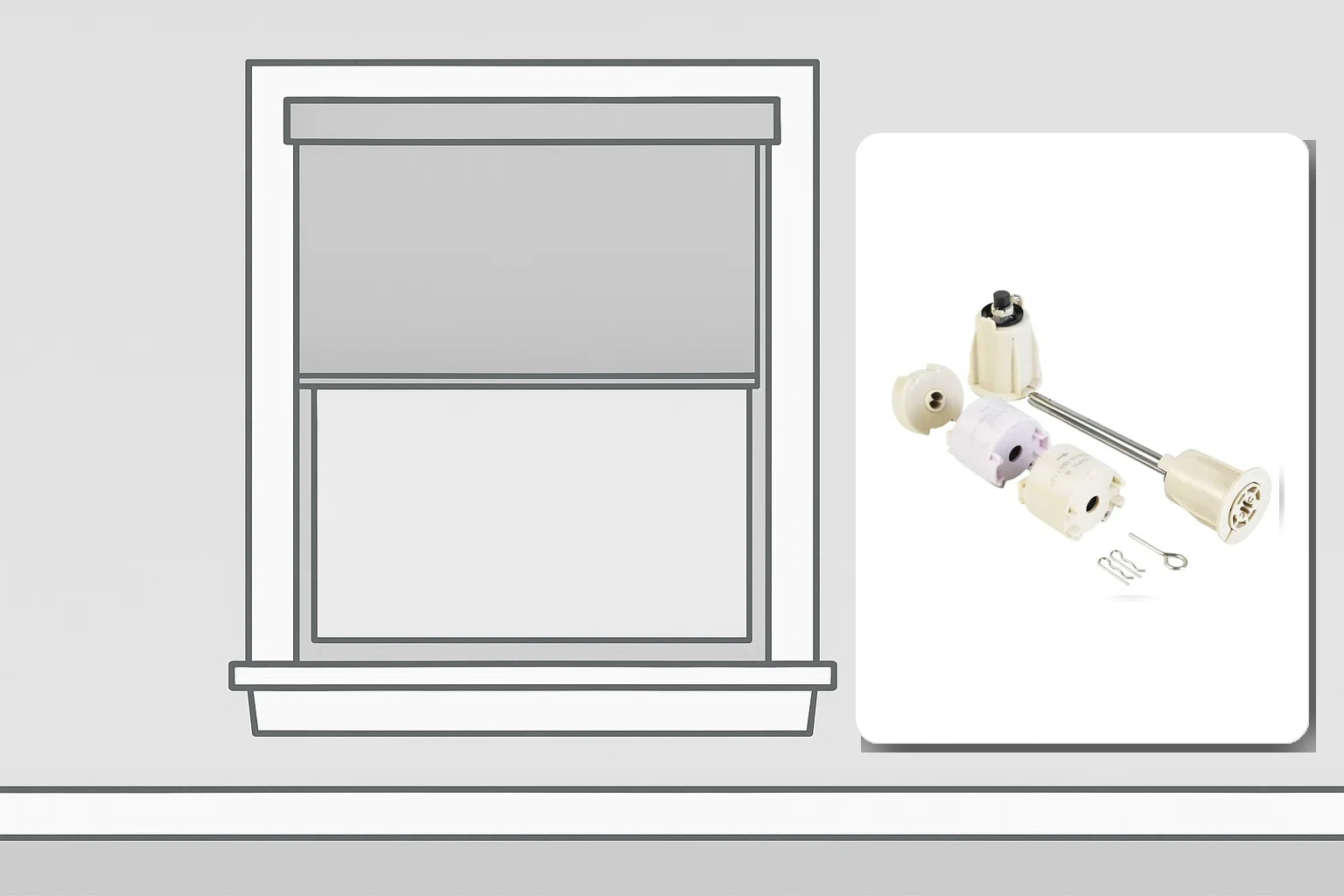
4.2 Replacing Tilt Cords with Safer Alternatives
For Venetians and shutters, switch from tilt cords to tilt wands or concealed tilt mechanisms. Lift can be cordless, while tilt is handled by a rigid, non-looped control, removing yet another set of cords from the user’s reach.
5. Segmenting SKUs So You Don’t Double Cost
Once you treat cordless spring systems as your default compliance engine, it becomes easier to decide where motors are worth their cost.
5.1 A Simple Segmentation Model
| Segment | Typical Scenario | Recommended Lift Solution | Typical Cost vs Legacy Chain |
|---|---|---|---|
| Flagship / Smart-Home | Luxury homes, hero showrooms, very tall or heavy blinds | Motorized or hybrid spring + motor, fully cordless at the window | ≈ 1.6–2.0× hardware, premium user experience |
| Core Residential | Living rooms, bedrooms, rental apartments | Cordless spring mechanisms as standard; motor as an option | ≈ 1.2–1.4× hardware, strong safety/value balance |
| Commercial Volume | Offices, hotels, education and healthcare projects | Cordless spring for most sizes, safe loop only where required | ≈ 1.1–1.3× hardware, easier installation & maintenance |
| Legacy / Low Volume | Old chain-based SKUs, niche sizes and finishes | Redesign onto new platforms or plan a structured phase-out | Short-term transition cost, long-term savings and lower risk |
Seen through this lens, motorization becomes a precision tool instead of a blunt reaction to regulation.
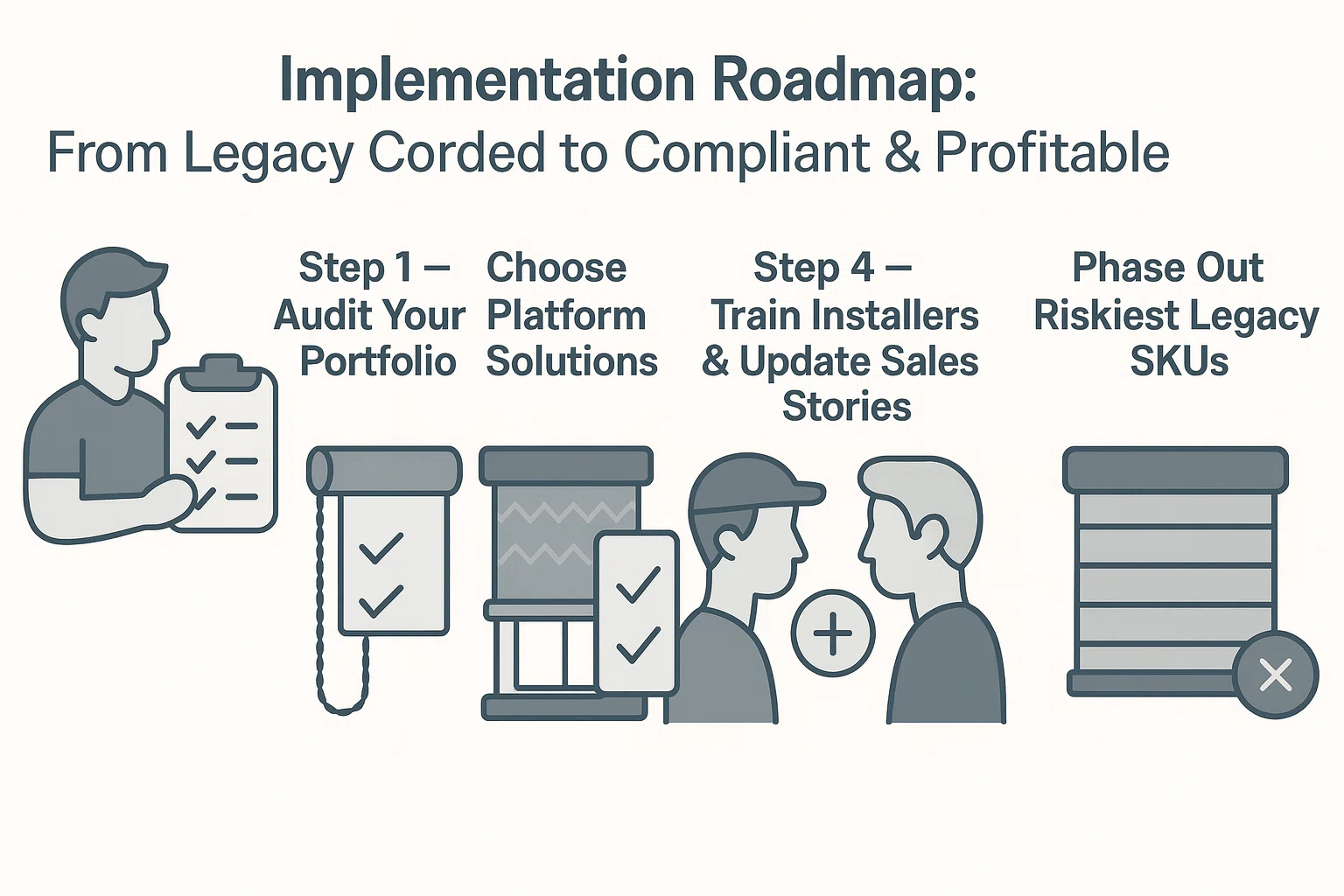
6. Implementation Roadmap: From Legacy Corded to Compliant & Profitable
To move beyond “motorize everything” in a controlled way, it helps to follow a clear roadmap.
6.1 Step 1 — Audit Your Portfolio for Cord Hazards
- List all blind families and operating systems currently sold into North America.
- Flag where operating cords, loops, or inner cords are still accessible.
- Mark SKUs marketed to families, nurseries or schools as top priority.
6.2 Step 2 — Choose Platform Solutions, Not One-Off Fixes
- Select one or two cordless spring platforms as the backbone for roller, zebra and honeycomb ranges.
- Standardize a small set of approved loop tensioners and tilt-wand solutions.
- Define the segments where motorized or hybrid spring + motor will be standard.
6.3 Step 3 — Pilot, Test & Validate
- Build pilot sizes for key fabrics and widths on the new platforms.
- Run hover, creep, noise and life-cycle tests, plus formal child-safety verification.
- Fine-tune spring torque, pre-tension and brakes until the feel is consistent across SKUs.
6.4 Step 4 — Train Installers & Update Sales Stories
- Issue clear installation guides for cordless and safe loop systems, including fixing points and checks.
- Train sales teams to talk about “cordless and child-safe by design”, not just “meets standard XYZ”.
- Update web content and packaging to highlight no loose cords, quieter operation and reduced maintenance.
6.5 Step 5 — Phase Out the Riskiest Legacy SKUs
Some old chain-based lines will never be economical to update. For those SKUs:
- Set a retirement date aligned with retailer resets and project pipelines.
- Offer clear migration paths into your new cordless or hybrid ranges.
- Use the transition to cut long-tail complexity and reduce compliance risk.
WCMA & Motorization FAQ
Does WCMA mean I must motorize all blinds for the U.S. market?
No. The WCMA standard and related CPSC rules focus on removing hazardous cords and loops. A well-engineered cordless spring-lift blind can meet child-safety expectations without any motor at the window.
Where does motorization still make the most sense?
Motors deliver the highest value on very tall or heavy blinds, hard-to-reach openings, and smart-home packages where app or voice control is part of the offer. Everywhere else, a high-quality cordless spring mechanism often provides enough comfort and safety at a lower cost.
Can I mix cordless, looped and motorized systems in one assortment?
Yes — many leading brands do exactly that. The key is to treat cordless spring systems as your default, use certified safe loops only where needed, and position motorized or hybrid solutions as a premium layer with clear value, not as the only way to be compliant.
How do cordless spring mechanisms help with WCMA compliance?
They remove the external operating cord completely. The lift “engine” sits inside the tube or headrail, balancing blind weight and holding position via a brake. With no loop to regulate or measure, the main strangulation hazard targeted by WCMA is engineered out of the product.
What should I prepare before talking to DOSRON about a compliance upgrade?
Collect basic data on your product types, size ranges, fabrics, bottom rails and existing lift systems, plus which markets and channels are highest priority. DOSRON can then recommend cordless and hybrid platforms, estimate cost impact, and design a validation plan that supports your WCMA roadmap.