Why Most Cordless Shade Systems Fail Early: A Lifecycle Engineering Perspective
 |
 |
Cordless shades are not “fabric products with a nicer handle.”
They are force-balance machines.
The most expensive failures don’t come from obvious breakage.
They come from early-cycle instability: systems that feel perfect in a showroom but drift, chatter, or lose authority after real-world cycling.
Quick Summary
Most cordless shade failures are not “random.” They concentrate early because the system is still settling into its real friction map and energy band.
If spring output, brake authority, and load geometry are not matched as a platform, small drift becomes customer-visible failure.
The fix is not “more spring” or “more friction.” The fix is predictable torque behavior, creep-resistant braking materials, and force-curve matching across the full travel.
Table of Contents
- Compliance Is the Floor, Durability Is the Differentiator
- Why Early-Cycle Failures Dominate
- Cordless Is a Force-Balance System, Not a Fabric Product
- The Spring Defines the Band, the Brake Governs Motion
- The Wear-In Phase: Where Reality Rewrites Your “Perfect” Test
- Torque Matching: Why One-Size-Fits-All Breaks at Scale
- Braking Is a Material Science Problem
- A Practical Engineering Playbook for Early-Cycle Reliability
- How We Solved It: Predictability as a Product
- FAQ
1) Compliance Is the Floor, Durability Is the Differentiator
As the market pivots toward ANSI/WCMA A100.1-2022, the pressure is no longer limited to passing a checklist.
Passing compliance means you are allowed to compete.
Sustaining durability means you get to keep customers, reduce returns, and protect brand trust.
Many systems pass early validation because early tests are often performed in a narrow “nice” zone:
mid-travel, stable temperature, low cycle count, ideal assembly, and minimal production variation.
Real-world use is not polite.
It is repetitive, inconsistent, and brutally honest about stability.
2) Why Early-Cycle Failures Dominate
Early-cycle failures happen because the system is transitioning from manufactured geometry to operational geometry.
In the first period of use, surfaces polish, micro-interfaces settle, lubrication migrates, and friction gradients reveal themselves.
If the design depends on “perfect” friction or “ideal” tolerances, the first few months become a live stress test.
Engineering Reality
Early reliability is not about how strong parts are. It is about whether the system’s force band remains stable while friction conditions change.
If spring output and brake authority drift apart during wear-in, the user experiences drift, chatter, and loss of position.
The reason this is so damaging commercially is simple:
the customer’s first impression is formed early, and the failure signal is usually obvious.
A shade that slips 10–20 mm per day, chatters near the top, or feels inconsistent is not “slightly off.”
It is perceived as defective.
3) Cordless Is a Force-Balance System, Not a Fabric Product
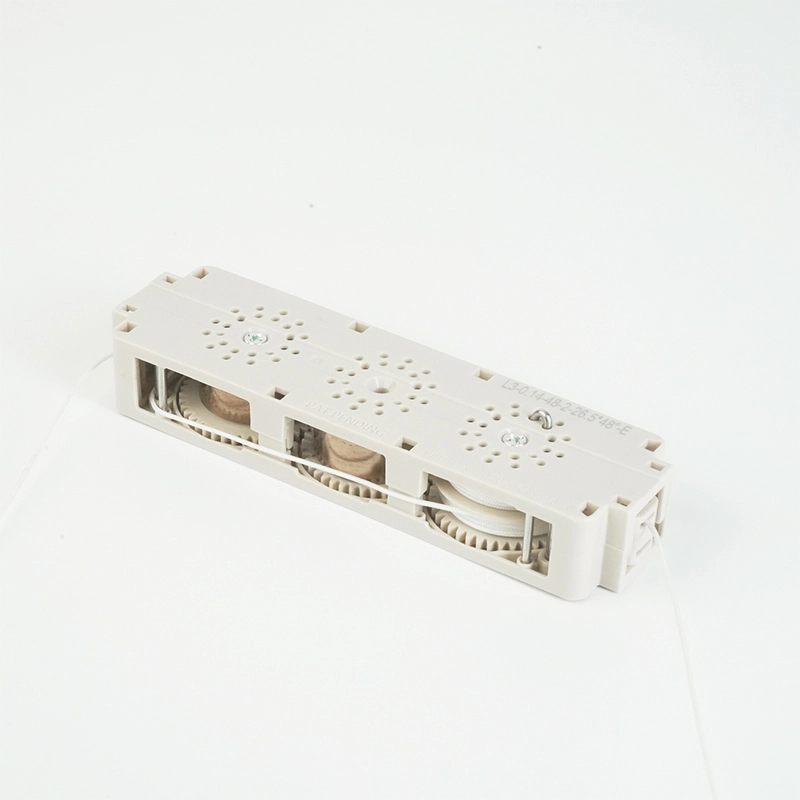
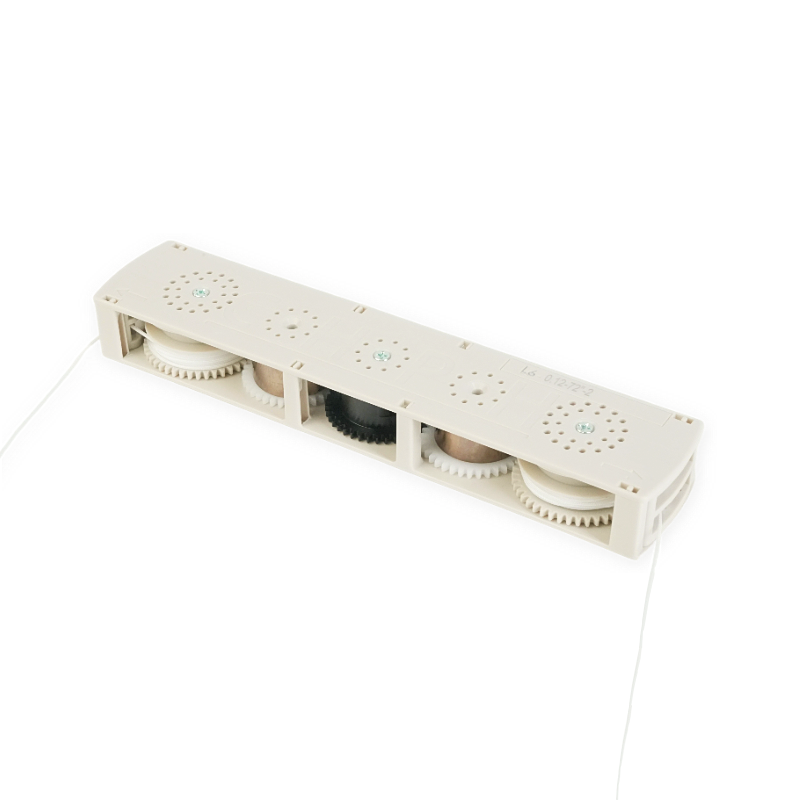
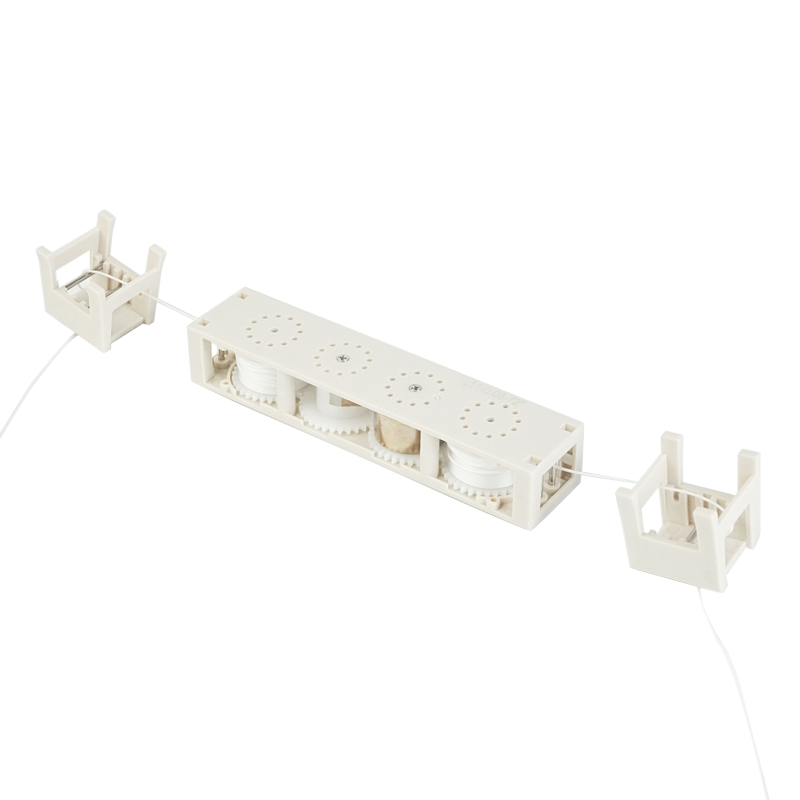
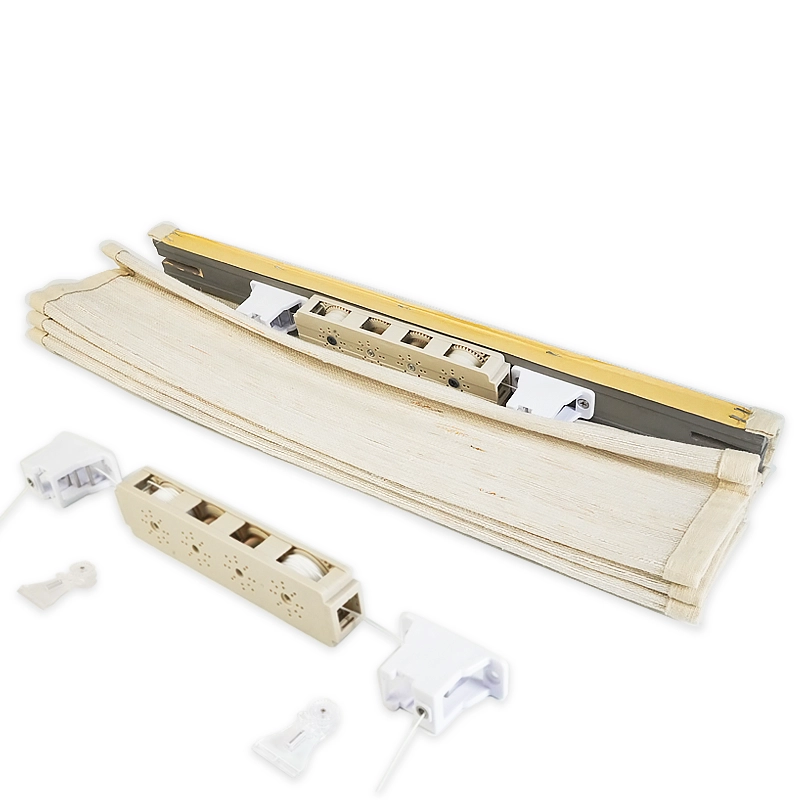
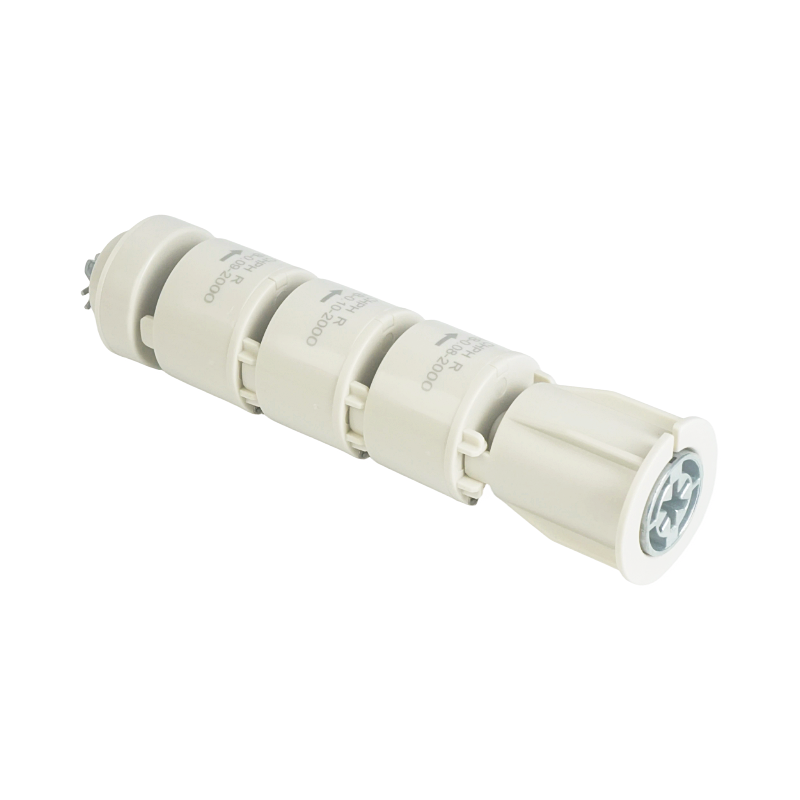
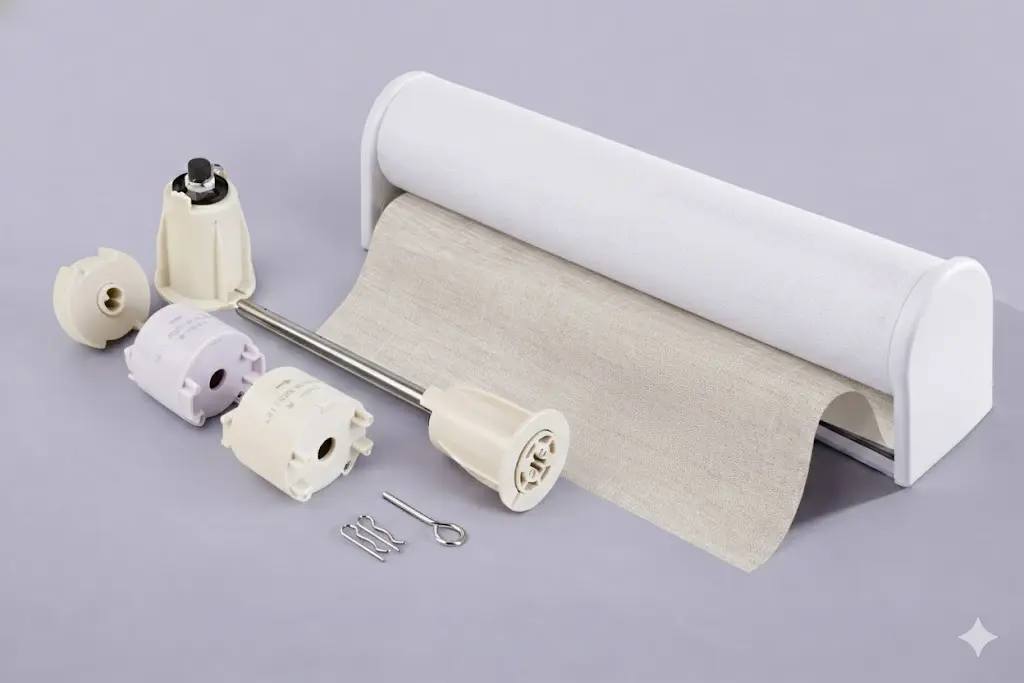
Cordless systems store energy (spring or assisted drive) to counter gravity and manage motion through a brake.
In plain terms: the system must maintain a continuous equilibrium while allowing controlled movement on demand.
This is why showroom testing is such a trap.
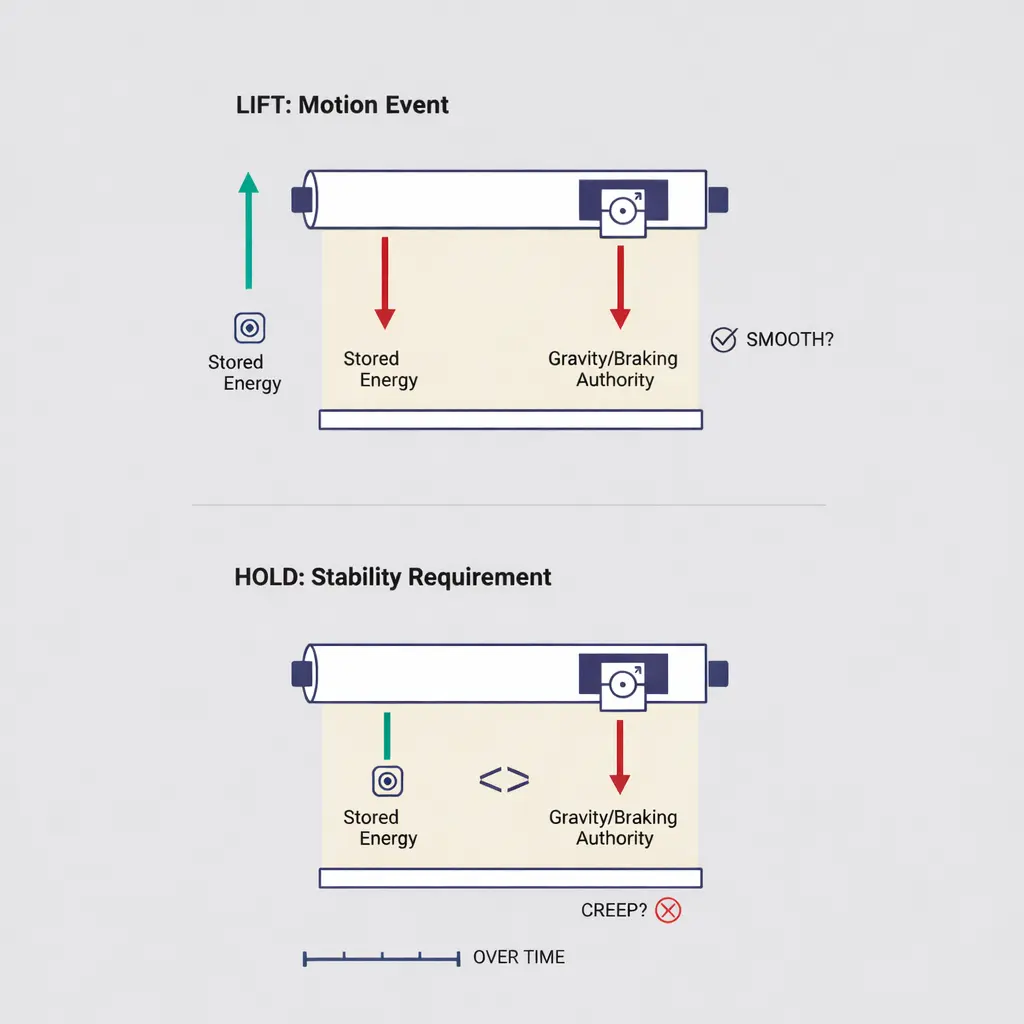
Smooth movement can be produced by low friction.
But hold stability requires a controlled relationship between energy output and braking authority across the entire travel.
- Lift is a motion event. It can look perfect even when the platform is unstable.
- Hold is a stability requirement. If the band is unstable, the system will reveal it over time.
 |
|
4) The Spring Defines the Band, the Brake Governs Motion
A recurring misconception is that the brake “solves” instability.
It does not.
The spring defines the system’s force band.
The brake governs motion inside that band.
| Component | Primary Role | Common Mistake |
| Spring | Sets stored energy and output profile across travel | Using generic output and hoping friction will “absorb” mismatch |
| Brake | Controls motion and prevents micro-slips inside the band | Increasing friction to mask drift, creating stick-slip and higher pull force |
| Interfaces | Transmit torque and define alignment and repeatability | Ignoring tolerance stacking and assuming installers can “tune it out” |
5) The Wear-In Phase: Where Reality Rewrites Your “Perfect” Test
In early cycles, the system is creating its real friction map.
This is where early-cycle failures cluster.
The failure modes are often not catastrophic breakage, but behavioral failures:
drift, rebound, uneven lift, or inconsistent hand feel.
The wear-in phase exposes:
- Spring output variation that was invisible in short tests
- Brake material creep under heat and sustained load
- Friction gradients that vary by travel position
- Interface tolerance stacking that becomes visible as platform behavior
This is why a system that feels “perfect” on day one can become inconsistent by day ninety.
Not because the customer “used it wrong,” but because the design assumed a friction condition that did not survive reality.
6) Torque Matching: Why One-Size-Fits-All Breaks at Scale
Torque demand in a shade is not static.
As the fabric moves, the geometry changes, spool behavior changes, and the effective load changes.
If you treat load as a single number instead of a curve, the system will punish you later.
Key Principle
If you do not know your force-curve, you do not know your risk.
Matching is not “spring strength.” Matching is the relationship between output band and required band across full travel.
7) Braking Is a Material Science Problem
Many durability problems blamed on “design” are actually material behavior.
A brake that holds on day one may lose authority under temperature, sustained stress, or repeated micro-motion.
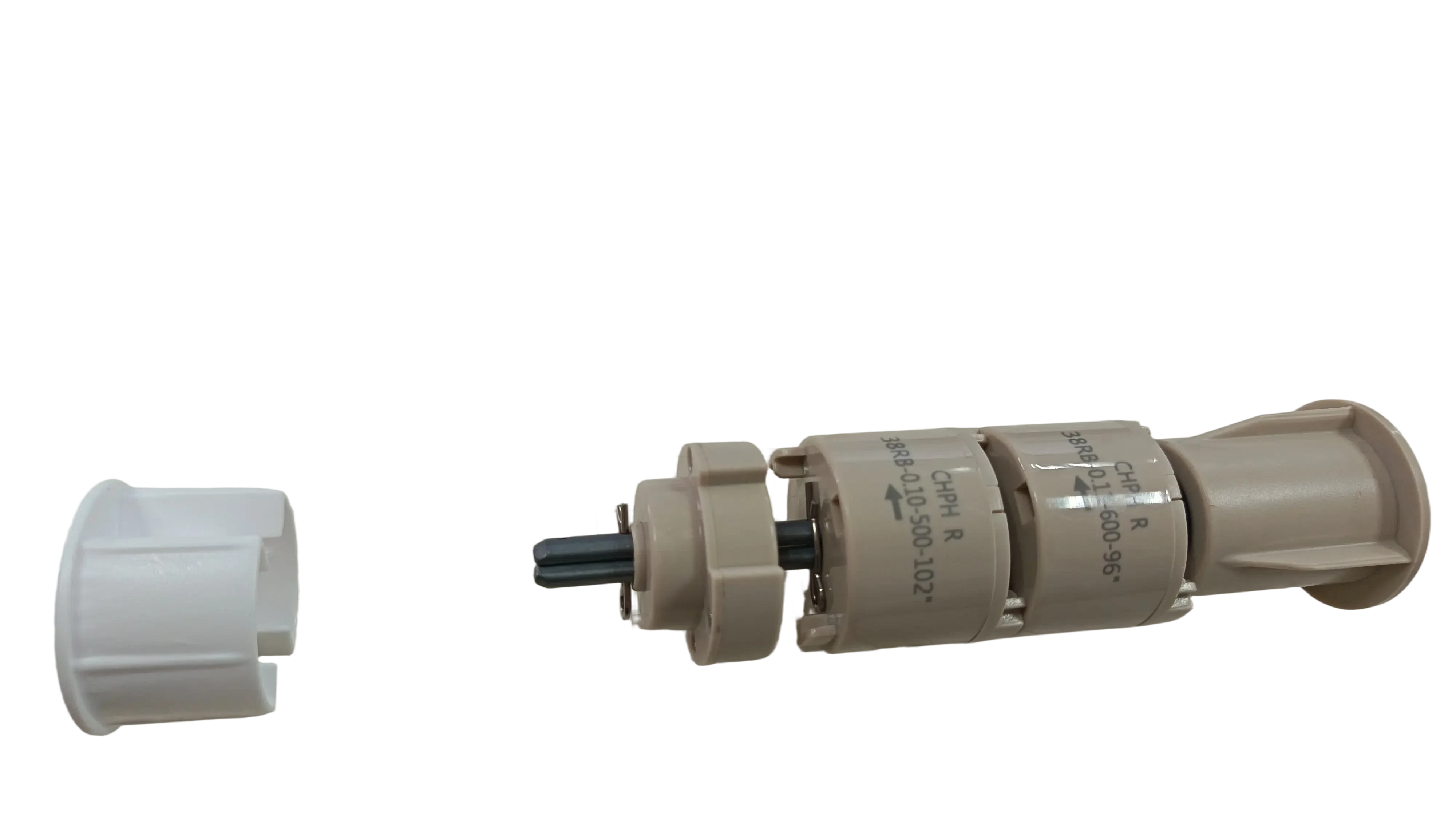
This is often driven by creep: slow deformation that changes contact pressure and friction over time.
High-exposure installations (sunny, south-facing windows) amplify this risk because material behavior becomes temperature-sensitive.
If the brake material creeps, the system’s “governor” becomes inconsistent.
Then the spring output and brake authority stop matching, and the system starts to drift.
 |
 |
8) A Practical Engineering Playbook for Early-Cycle Reliability
If you want fewer early failures, stop designing for a single “nice” condition.
Design for the lifecycle.
Below is a practical playbook used by high-reliability mechanical platforms.
- Test across the full travel, not a mid-stroke demo.
Early-cycle drift often appears near extremes where geometry and friction zones change. - Measure output as a curve, not a single pull-force number.
A stable band matters more than a pleasing initial feel. - Evaluate after wear-in.
If you only test “new parts,” you are testing the factory, not the customer’s home. - Design for production variation.
A robust system holds performance when tolerances stack and friction varies between units. - Use braking materials that resist creep.
You cannot tune creep out with tighter tolerances.
9) How We Solved It: Predictability as a Product
In the B2B world, you are not buying a spring.
You are buying what the spring allows you to promise:
stable feel, stable positioning, and fewer after-sales surprises.
That is why we treat durability as a system outcome, not a part attribute.
Our Approach
- Constant Tension Logic
We engineer spring modules to maintain a consistent pull-force band (commonly targeted within ±5%),
reducing top-zone sluggish behavior and minimizing travel-dependent instability. - Advanced Polymer Braking
We use engineering resin choices and interface design that prioritize creep resistance,
improving braking authority stability under heat and sustained load. - Precision Torque Matching
We provide force-curve data to support correct matching to shade weight and geometry,
instead of relying on generic “one-size” assumptions.
Outcome
The commercial impact is straightforward:
fewer after-sales service calls, fewer hidden field failures, and a platform that remains stable after real cycling.
In other words: predictability.
Field Insight
Early-cycle failures are rarely “bad luck.” They are the predictable result of designing for showroom conditions instead of lifecycle conditions.
The best cordless platforms treat the spring as the energy band, the brake as the governor, and interfaces as the repeatability system.
When you design the band, the governor, and the interfaces to remain matched after wear-in, reliability stops being a hope and becomes an outcome.
FAQ
Q1: If a shade lifts smoothly, doesn’t that prove the system is reliable?
No. Smooth lift can be created by low friction. Reliability depends on whether the system maintains a stable force band and hold stability across travel and after wear-in.
Q2: Can a stronger brake solve spring inconsistency?
Not reliably. Increasing braking friction can temporarily mask drift, but often increases pull force and can trigger stick-slip and chatter. Long-term stability requires controlling spring output behavior first.
Q3: Why do failures show up near the top or bottom of travel?
Geometry and friction zones often change at travel extremes. Those regions expose weak stability margins, so drift and rebound become visible first.
Q4: Why do larger shades fail sooner?
Larger systems amplify small mismatches. Width and load increase the platform effect, making left-right differences and interface variation harder to self-correct.
Q5: What does “torque matching” actually mean for cordless systems?
It means matching the system’s output band to the required band as a curve across travel, not as a single pull-force number. Curves reveal instability that single-point tests hide.
Q6: What is brake material creep and why should I care?
Creep is slow deformation under sustained stress, often accelerated by heat. It changes contact pressure and friction behavior, which can reduce braking authority and cause drift over time.
Q7: Why do some systems feel “sluggish” near the top?
Because the force relationship shifts across travel. If the spring output band does not stay consistent relative to load and friction, users feel changing effort, especially near extremes.
Q8: Can installers tune out platform instability?
Only within limits. Installer tuning can compensate for small static differences. It cannot permanently correct a dynamic mismatch between spring output, braking authority, and changing friction conditions.
Q9: What should we test if we want to reduce early-cycle returns?
Test full travel, multiple sizes, and multiple units, then repeat after a wear-in cycle. Include temperature exposure if the application includes sunny or high-heat environments.
Q10: What’s the shortest path to better predictability?
Start with force-curve data. If you can measure and match output bands, you can design braking authority and interfaces to remain aligned after wear-in. Predictability begins when you can quantify the band.
Call to Action
Are you seeing increased spring tension issues on larger shade sizes or higher cycle applications?
Comment your scenario, or request our latest Spring Durability & Torque Analysis Whitepaper to compare force-band stability, wear-in behavior, and material-driven braking drift.