Quick Summary
Cordless blinds remove hanging cords, visual clutter and fussy operation from your windows. With a simple push or pull on the bottom rail, you can position the blind exactly where you want it, clean more easily around the window and enjoy calmer, more elegant interiors. This article walks through the frustrations of traditional corded blinds, the everyday comfort of cordless designs and the technology inside that makes them smooth, precise and long-lasting.
From Morning Frustration to Effortless Light
Picture a typical morning. You are half-awake, trying to let in some light. You reach for the cord on your blind, only to find it knotted around itself, looped over furniture or stuck behind the fabric. You tug a bit harder, the blind jumps up unevenly, and instead of gentle daylight, the room is suddenly flooded with harsh light.
Later, when you finally decide to clean the blind, the cords are dusty, the components are complicated and the whole process feels like a small project, not a simple chore.
So a natural question appears: Is there a way to interact with light at home that feels as natural as breathing — simple, smooth and intuitive?
The answer is yes: cordless blinds. By removing exposed cords and simplifying the motion to one clean gesture, they make windows look calmer and daily operation easier. In this article, we will look at cordless blinds from two angles that matter most in real life: convenience and elegance.
1. The End of Everyday Frustrations: When Traditional Blinds Get in the Way
Before talking about solutions, it is worth staying in the pain for a moment, because that is what convinces people they really do need a change.
1.1 Quiet but Real Safety Concerns
Traditional corded blinds carry a well-known but often ignored risk. Looped cords and chains can become entanglement hazards for small children and pets. Even if serious accidents are rare, many parents and pet owners feel uneasy about long cords hanging at reachable height.
We will not dive deep into regulations here, but it is important to note that removing exposed cords is not only about aesthetics. It is also a quiet upgrade in peace of mind.
1.2 Awkward, Cumbersome Operation
Corded blinds look simple, but using them is not always so simple:
- Cords tangle and twist over time, especially if several people use the same blind.
- The pull can be jerky; you tug, nothing moves, you tug again and the blind suddenly jumps.
- With wider windows or double blinds, getting both sides to align at the same height is almost an art form.
The result is that you either tolerate the misalignment or simply stop adjusting the blinds as often as you would like.
1.3 Cleaning That Feels Like a Mini Project
Cords are magnets for dust. Over time, you get cords that look grey instead of white, small components that are awkward to wipe and complex threading that makes removal and reinstallation intimidating. When cleaning requires taking everything apart and re-threading, many people simply do not do it. Dust and dirt silently accumulate around the window area.
1.4 Visual Clutter Around the Window
From a design perspective, cords are visual noise. Hanging cords cut across the view and distract from the blind fabric and the window shape. In minimalist or modern interiors, the cord looks like an unnecessary loose end. For large floor-to-ceiling windows, long cords can visually drag the room downward.
In short, traditional corded systems solve the basic function of lifting the blind, but introduce a lot of friction in how you use and see that window every single day.
2. Elegance Upgraded: The Everyday Experience of Cordless Blinds
| Aspect | Traditional Corded Blinds | Cordless Blinds | Impact on Daily Life |
|---|---|---|---|
| Operation | Pull cords can tangle, snag or jump, especially on wider blinds. | Simple push or pull on the bottom rail with balanced, smooth motion. | Less frustration and more intuitive control, even when half-awake in the morning. |
| Light Control | Harder to stop at the exact height; blinds may drift or jump. | Holds at any position for precise, millimetre-level light and privacy control. | Easier to avoid glare, protect privacy and still keep comfortable daylight. |
| Visual Appearance | Hanging cords create visual clutter and break clean window lines. | No exposed cords; window area looks clean, modern and more intentional. | Supports minimalist, modern and premium interior design across rooms. |
| Cleaning & Maintenance | Cords attract dust and can be difficult to wipe or re-thread after cleaning. | No cords to clean; blinds and window frames can be wiped quickly and directly. | Less time spent on cleaning projects, more motivation to keep windows fresh. |
| Safety Awareness | Exposed cords can pose entanglement risks for children and pets. | Cord-free design removes the main entanglement hazard at the window. | More peace of mind in nurseries, family rooms and pet-friendly homes. |
| Smart Home Readiness | Many legacy corded systems are difficult to upgrade to smart control. | Cordless hardware can often be paired with motors or smart modules later. | Easier path to future motorization and integration with smart-home platforms. |
Cordless blinds attack those pain points head-on. No cords, no loops, just a clean bottom rail and your hand.
2.1 Effortless Convenience Built Into the Motion
One gentle push or pull
Instead of pulling a cord to rotate a tube, you simply place your hand on the bottom rail and gently push up to raise the blind or pull down to lower it. Inside, a balancing mechanism supports part of the blind’s weight, so the motion feels surprisingly light and smooth, even for larger blinds.
Stop exactly where you want
Good cordless systems are designed to hold position at any height. You can leave the blind just above your desk to avoid screen glare, lower it halfway in a bedroom for privacy and still keep some daylight or fine-tune the height in a living room to manage reflections on screens. You do not rely on preset positions; you create your own with your hand.
Cleaning becomes a quick wipe
With no cords and fewer exposed small parts, you simply wipe the blind fabric and the bottom rail. The area around the window frame is easier to access and there are fewer places for dust to hide. No threading, no re-threading and no anxiety about whether you can put everything back together.
Ready for smart upgrades
Cordless does not mean low-tech. For many modern systems, cordless is actually the foundation for future upgrades. The internal balancing system that supports manual operation can often be paired with a motor later. A motorized module can take over the lifting, while the spring or counterweight still helps balance the load.
2.2 Visual Elegance: Calm Windows, Clear Lines
The power of invisible hardware
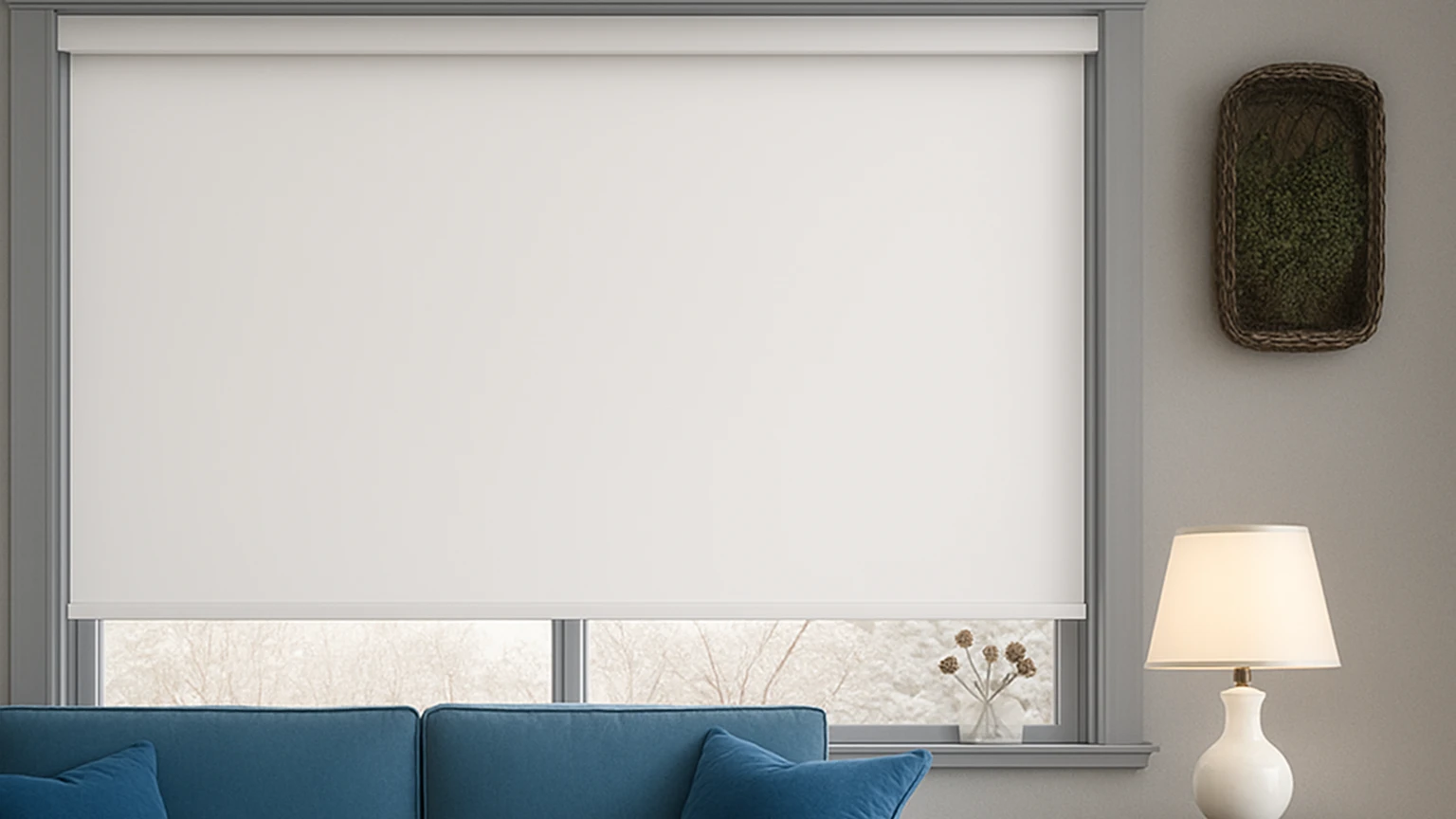
Once you remove the cords, something subtle but powerful happens. The window frame looks cleaner, the eye focuses on the fabric, the view and the architecture, and the whole wall feels more organized and intentional. Cordless blinds act like good lighting: when it is done right, you do not stare at the fixture, you just enjoy the effect.
Let the window and the view shine
Without cords cutting through the space, the geometry of the window becomes clearer and the outside view feels more open and uninterrupted. For bay windows, French doors or large sliders, the result can be surprisingly dramatic. Cordless blinds reduce visual noise and increase visual coherence.
Fits almost any style
Because the visible parts of a cordless blind are simple — fabric, bottom rail and sometimes a top cassette — it can adapt to many interior styles:
- Minimalist or Scandinavian interiors that value clean lines and calm color palettes.
- Modern or contemporary spaces with large glass surfaces, metal and concrete.
- Japandi or Japanese-inspired rooms that emphasize light, shadow and order.
- Classic or transitional homes where cordless blinds work with layered treatments.
You do not have to redesign your entire home to enjoy cordless blinds. They blend in and quietly elevate the space.
2.3 A Day-in-the-Life Contrast: From Morning to Night
Before – with corded blinds
- Morning: You fumble with the cord, untangle it, pull too hard and the blind jumps up. The sudden light feels harsh.
- Afternoon: You try to reduce screen glare, but getting both blinds to stop at the same height is annoying. You give up and leave them slightly uneven.
- Evening: You want privacy, but the cords are twisted. You pull anyway and hope for the best.
After – with cordless blinds
- Morning: Half-asleep, you walk to the window and lightly push the bottom rail. The blind glides up at a comfortable speed. Light gradually fills the room instead of exploding in.
- Afternoon: You pull the blind down just to the point where glare disappears and it simply stays there. No micro-adjusting cords.
- Evening: One smooth downward motion and the blind lowers quietly, giving you privacy without drama.
It is the same window and the same person, but the experience across the day feels completely different.
3. The Secret Behind the Smoothness: Technology Inside Cordless Blinds
 |
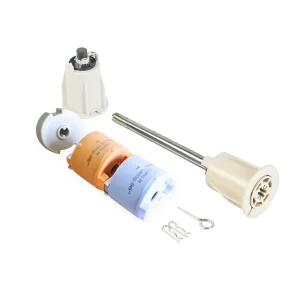 |
Cordless blinds feel simple on the outside because the complexity is hidden inside. A quick look behind the scenes helps explain why they feel so controlled and effortless.
3.1 Internal Balancing Mechanism
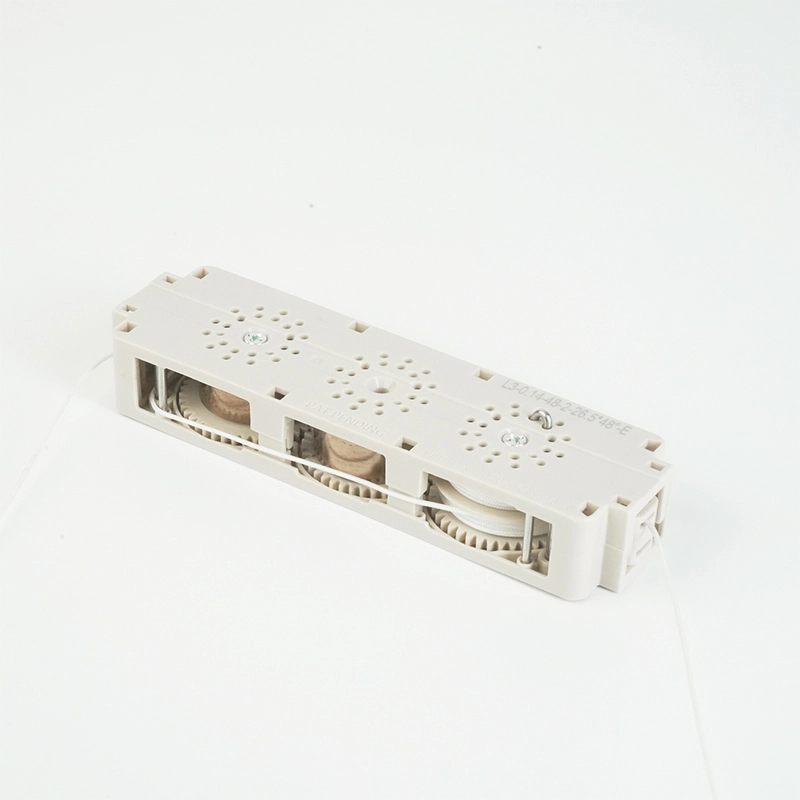
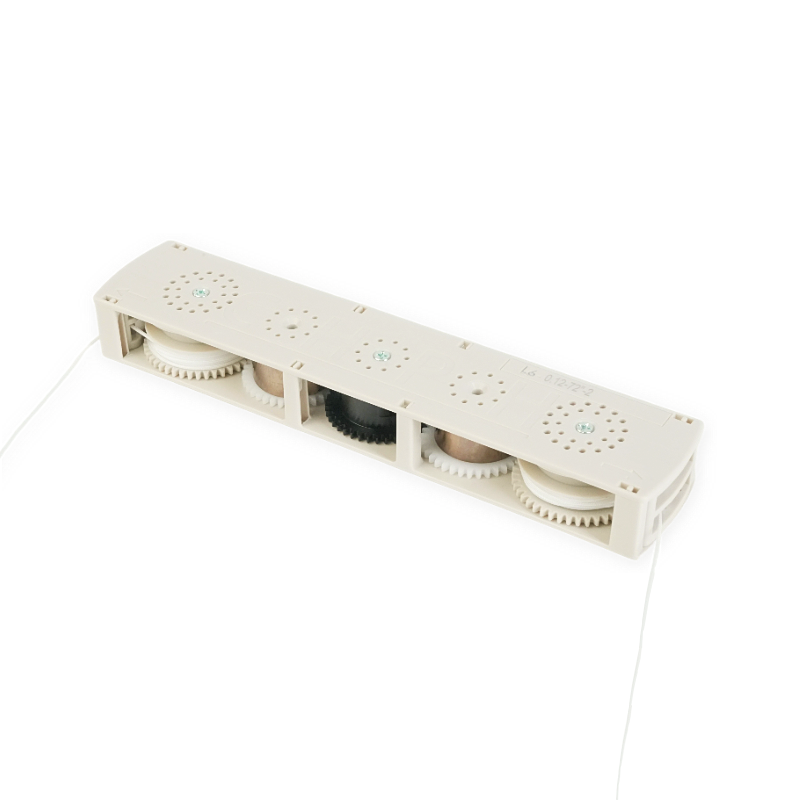
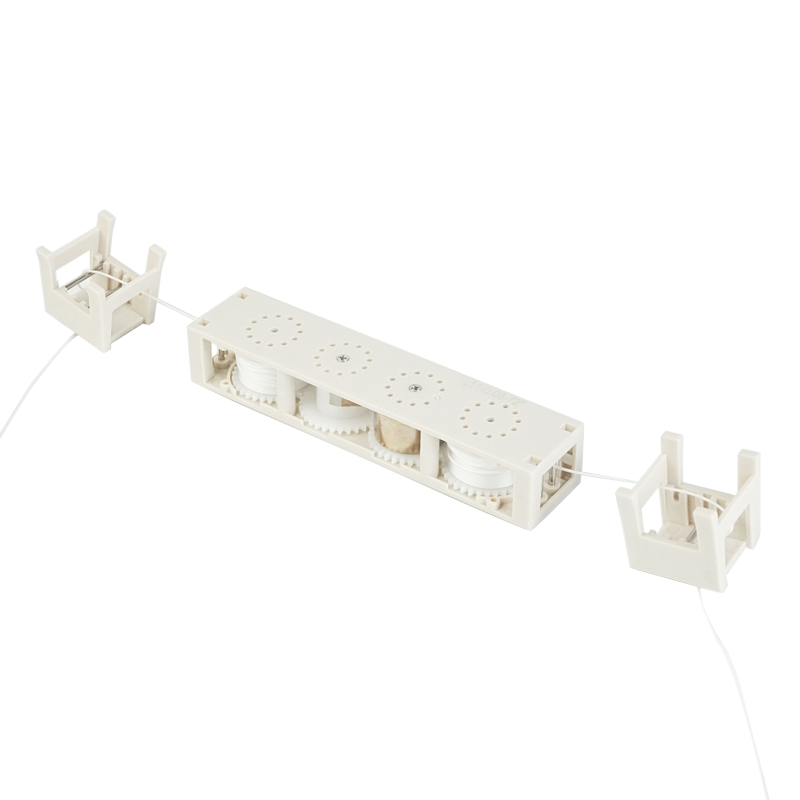
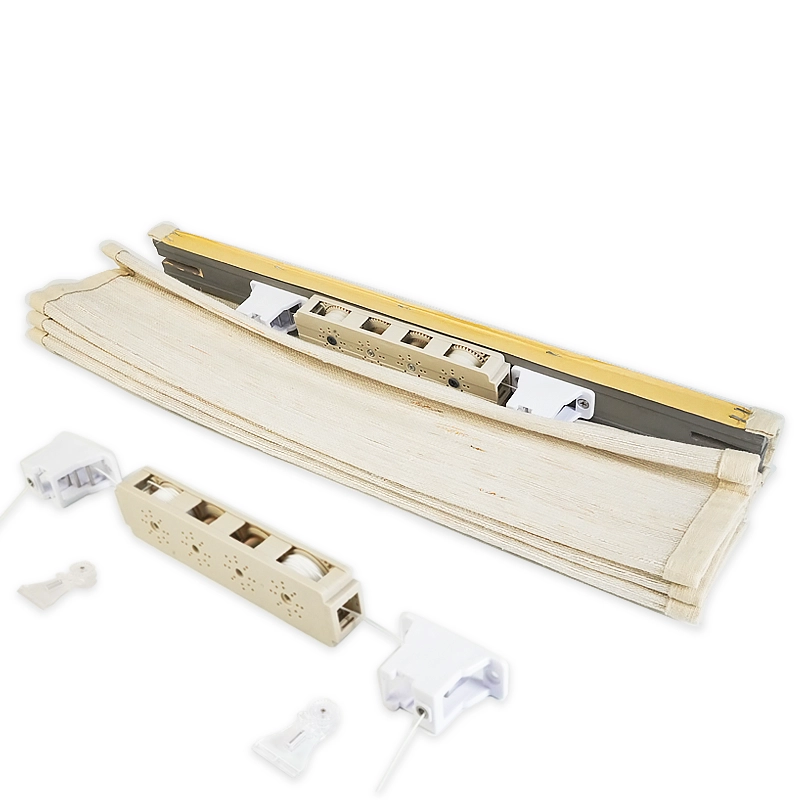
At the heart of a cordless blind is a balancing system, commonly a spring box or weighted mechanism inside the top tube or headrail. Its job is to offset most of the blind’s weight so it does not feel heavy to lift, provide consistent support from top to bottom and allow the blind to hold its position at any height.
In well-designed products, the balancing force is tuned so that you do not feel like you are fighting the blind, it does not shoot up when you let go and it moves at a controlled, comfortable speed.
3.2 Quality Rails, Guides and Bearings
Smooth operation is not just about the spring. The supporting hardware matters too. High-quality rails or tubes resist bending and keep movement stable. Low-friction components help reduce noise and friction. Precision bearings or bushings ensure the blind does not twist or wobble as it moves.
This is why two cordless blinds can feel completely different in the hand. It is the combination of internal balancing and structural quality.
3.3 Human-Centered Design Details
Small choices in design turn engineering into comfort. Comfortable bottom rails are easy to grip, with edges that feel smooth in the hand. Minimal visible parts keep the look clean. Installer-friendly designs are easier to mount and fine-tune, which means the blind is more likely to be installed correctly — and correct installation always feels better in daily use.

4. Common Questions About Cordless Blinds (FAQ)
Q1: Are cordless blinds difficult to install?
In most cases, they are not. Many cordless systems are designed for straightforward DIY installation: brackets are mounted first, the blind clicks or snaps into place and basic adjustments such as tension or leveling can be done with simple tools. If you prefer not to DIY, professional installers can usually handle cordless blinds as quickly or faster than traditional corded systems.
Q2: Can I upgrade my existing blinds to a cordless system?
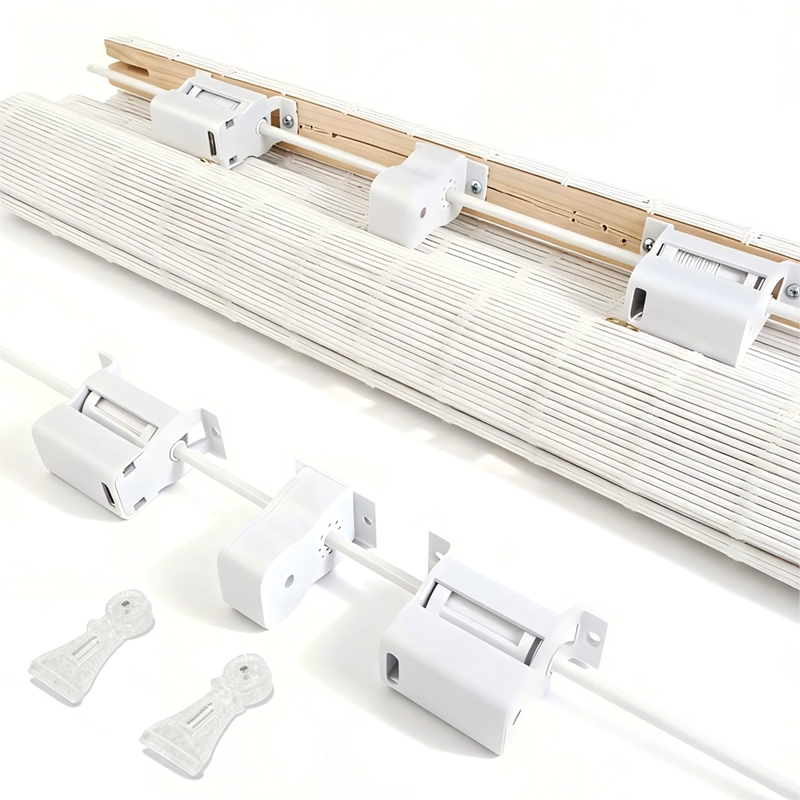
Often, yes. In many situations, existing fabrics or blind bodies can be paired with new cordless mechanisms, so only the lift system and related components need to be replaced. This lets you keep the style you love while removing the cords you do not. Compatibility depends on the type, size and weight of your current blind, so it is always worth checking product specifications or asking your supplier.
Q3: How strong and durable are cordless blinds?
A well-designed cordless blind is engineered to be both strong and long-lasting. Internal mechanisms are tested for repeated lifting and lowering cycles, springs and balancing elements are selected according to blind weight and size, and quality systems are built to handle daily use for many years without losing performance. When you compare options, look for references to cycle testing, material quality and load ranges, not just appearance.
Q4: Are cordless blinds really safer for children and pets?
Removing exposed cords eliminates the primary source of entanglement risk. While no product can remove all possible hazards in a home, cordless blinds reduce the number of reachable moving parts, remove loops that can catch around necks or limbs and help align your home with modern safety recommendations for window coverings.
Q5: Will cordless blinds work with smart home systems later?
In many product families, they will. Cordless hardware often shares dimensions and interfaces with motorized or hybrid solutions. That means you can start with manual cordless operation today and later upgrade to a motorized module using the same or a similar headrail. Smart controls such as remotes, apps and voice assistants can be added at that stage. If future smart integration is important, look for blind ranges clearly marked as motor-ready or upgradeable.
5. Conclusion: Choosing a Calmer, More Elegant Everyday
 |
 |
Switching from corded to cordless blinds is more than a hardware upgrade. It is a change in how you interact with light, privacy and space at home. You move from tugging and untangling cords to a simple, fluid gesture. You exchange messy visual lines around the window for clean, calm surfaces. You reduce small safety worries and future-proof your space for possible smart upgrades.
You are not just buying a different type of blind; you are choosing to leave small daily annoyances behind and make room for a more elegant, effortless routine. If you are ready to stop wrestling with cords and start enjoying that one push, one pull ease, it may be time to explore a cordless blind range that fits your windows, your style and your future plans.
Field Insight
Cordless blinds are quickly becoming the new baseline for modern homes, especially where safety, simplicity and design all matter at once. Treat them not as a small detail, but as a strategic upgrade to the way your spaces feel and function every day.
- Start from real pain points: Tangled cords, uneven blinds and dust build-up are clear signals that it is time to upgrade.
- Evaluate feel, not only looks: Check how smoothly the blind moves, how precisely it stops and whether it holds its position without drifting.
- Ask about the hardware: Internal balancing mechanisms, material choices and cycle testing all determine long-term comfort.
- Plan for smart integration: Choose cordless systems that can later be paired with motors or smart controls without replacing everything.
- Use blinds as design tools: Clean window lines and silent operation support calmer bedrooms, more focused home offices and more welcoming living rooms.