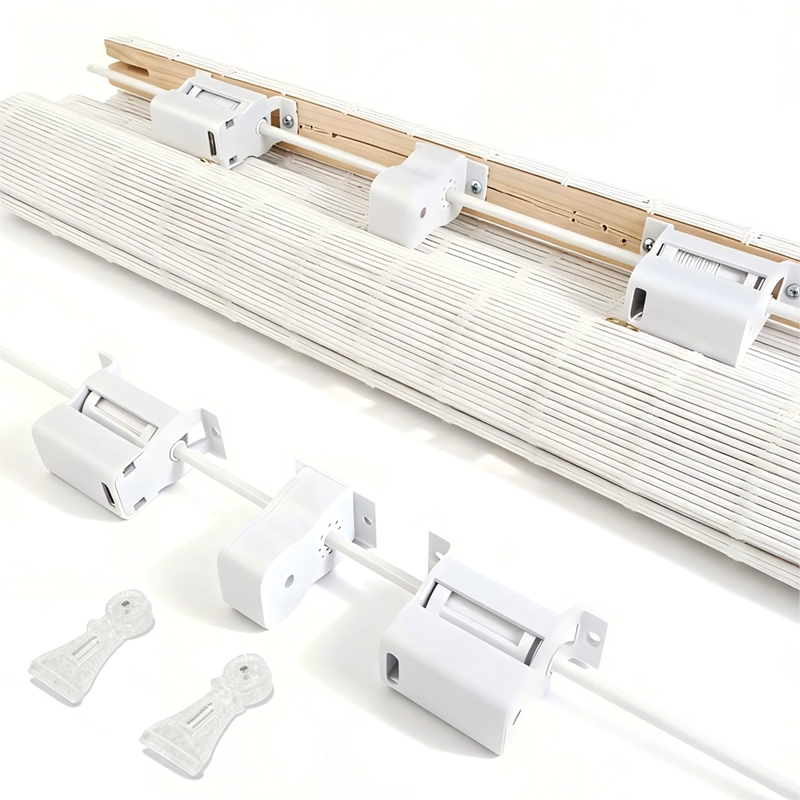
How to Sell ‘Child Safe’ Cordless Blinds to U.S. Families Without Sounding Pushy
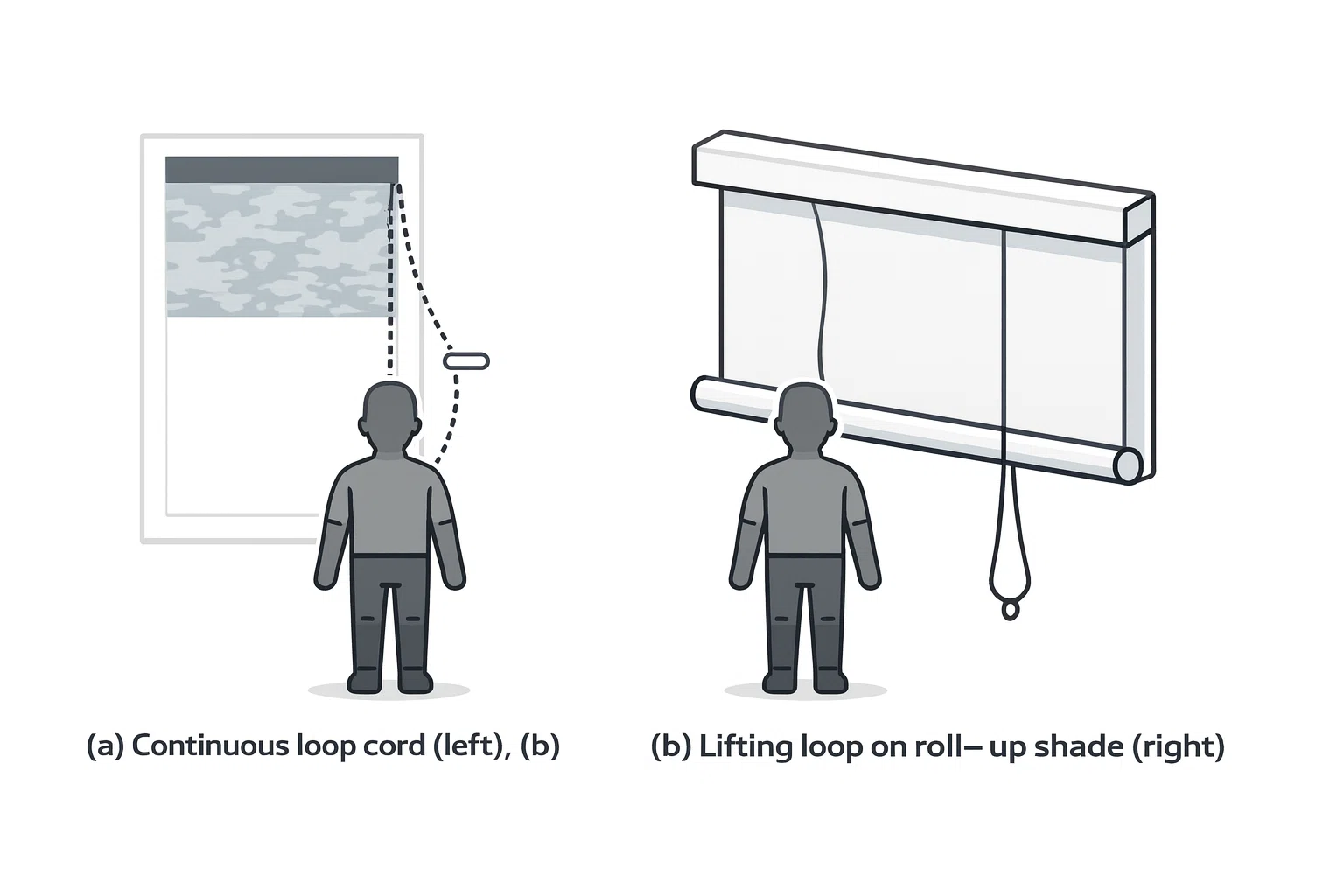
Quick Summary — For Window Covering Brands & Retailers
To sell child safe cordless blinds in the U.S., you don’t need fear-based headlines or aggressive upselling. What you need is a clear promise in plain language, backed by hardware that really delivers:
no hanging cords, controlled motion, and stable hover at any height.
This article walks through how to talk to American families in a calm, confident way, how to place “child safe” in your range architecture, and how component technology
(like DOSRON’s cordless spring mechanisms and spring motor platforms) gives your sales team the confidence to sell safety without over-claiming.
1. Understand the U.S. Parent Mindset Around Window Cords
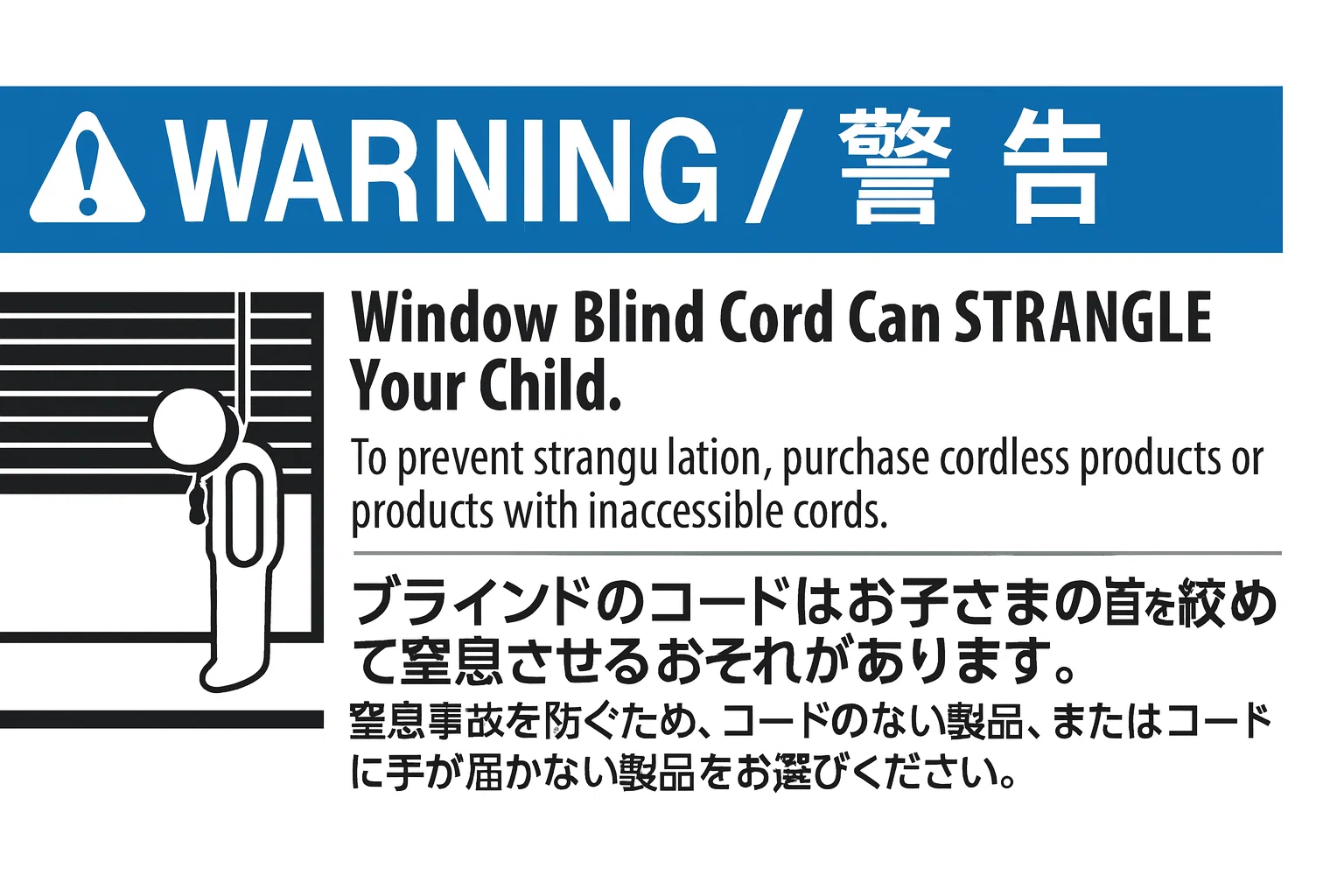
Most American parents have seen at least one warning label about window blind cords.
Some remember news about accidents or recalls, others simply notice the “cordless” icons at big-box retailers.
Over time, this shapes a quiet but strong expectation: “cordless is safer, especially where kids and pets play.”
Typical patterns you will see in this market:
- They already accept that cords can be dangerous, but they don’t want to think about accidents every time they open the blinds.
- They prefer simple, calm reassurance over shocking statistics or guilt-based messaging.
- They respond well to brands that sound like a knowledgeable friend, not a courtroom lawyer.
So your messaging should start from empathy:
“You’re busy, your kids are curious, and you just want a home where cords are one less thing to worry about.”
If you get this tone right, all the technical advantages of your cordless spring systems become easier to communicate.
2. Lead With Everyday Life, Not Worst-Case Stories
Fear-based marketing can backfire in the U.S. It may get attention, but it can also make parents feel judged or manipulated.
Instead, anchor your story in everyday scenes that match how blinds are actually used:
- A baby napping in a nursery with cordless honeycomb shades that keep the room dim and quiet.
- A preschooler playing with a pet in the living room under cordless faux wood blinds that filter glare.
- Grandparents preparing a guest room for visiting grandkids, choosing cordless blinds “just to be safe.”
You can still reference safety, but wrap it in normal life:
- “No loose cords for little hands to grab.”
- “Cordless lift so you don’t have to keep reminding kids not to pull.”
- “A shade you can set once and stop worrying about.”
These phrases are easy to remember for your sales staff and simple to reuse across product pages, packaging,
and social content targeted at U.S. parents.
3. Make “Cordless & Child Safe” Obvious in Three Seconds
Most homeowners will skim your page or packaging in just a few seconds. Use that time wisely:
- Put “Cordless” and “Child Safe Design” in the first screen of your product page and on the front of packaging.
- Use a clear icon set: a child silhouette, a pet, and a crossed-out cord loop.
- Show lifestyle photos where it is visually obvious there are no hanging lift cords beside the window.
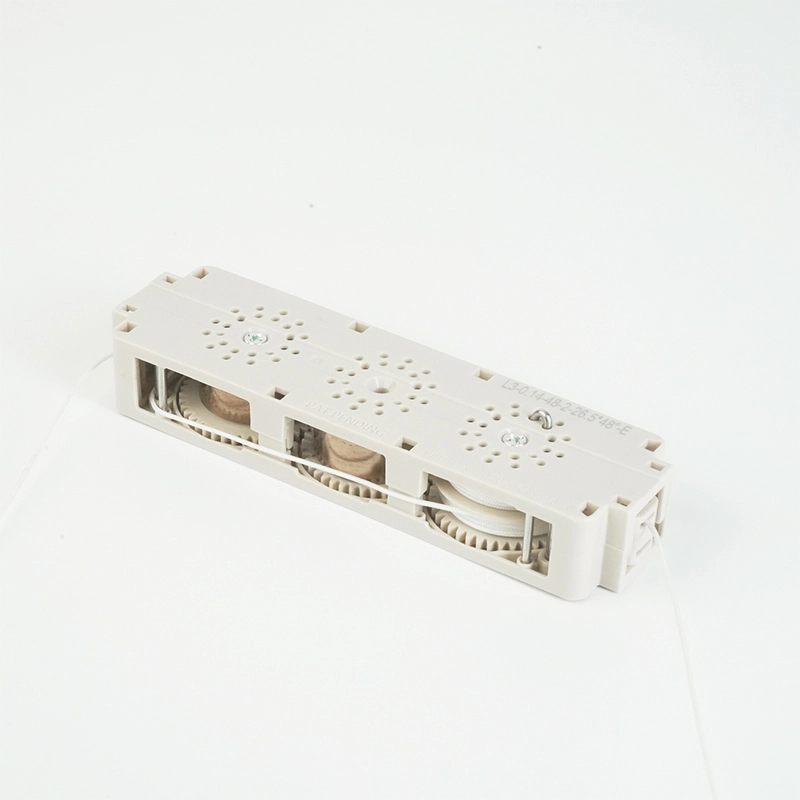
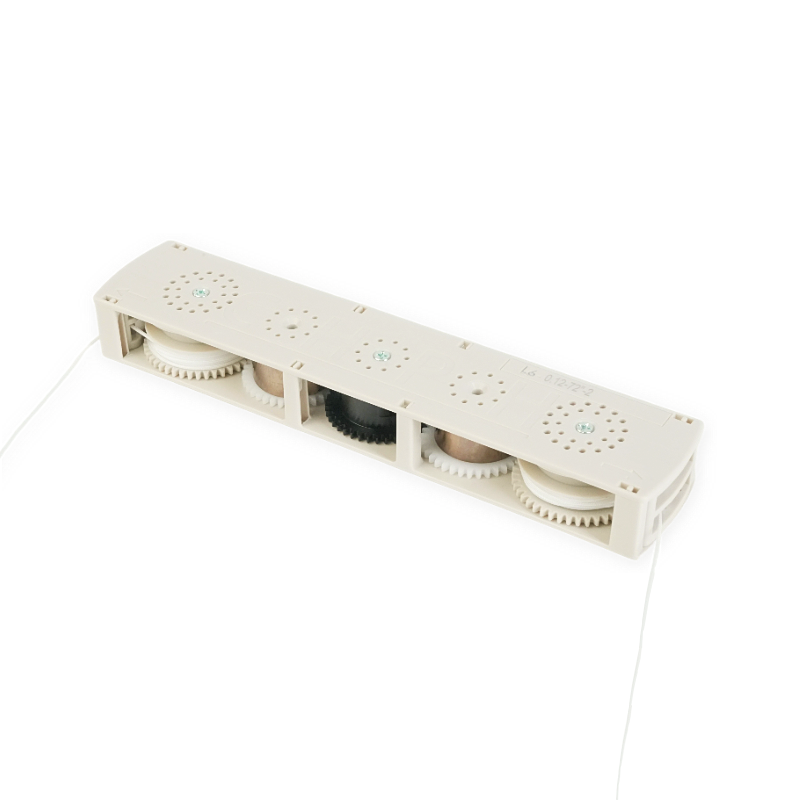
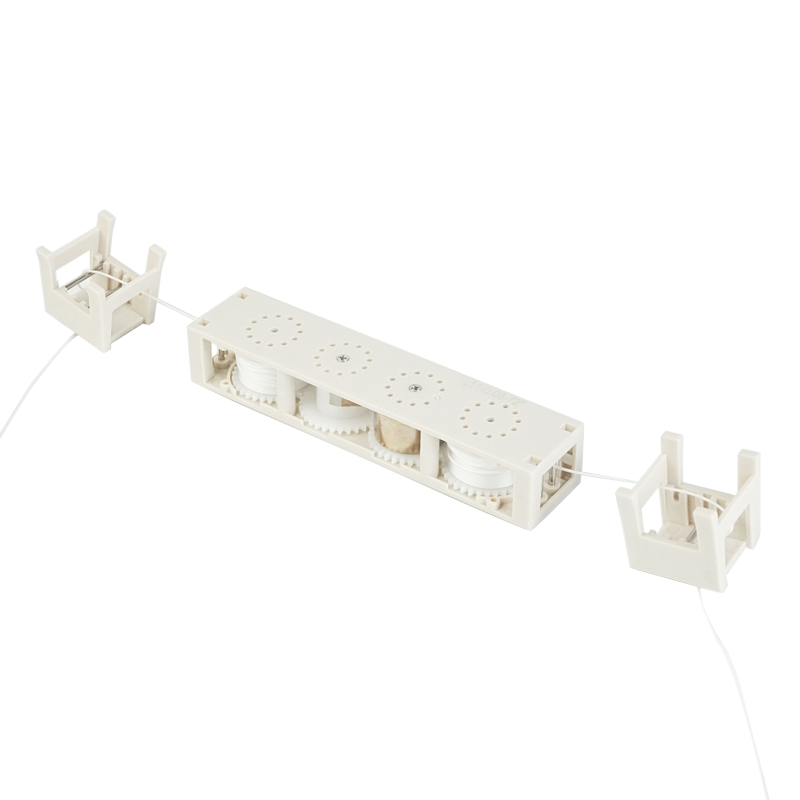
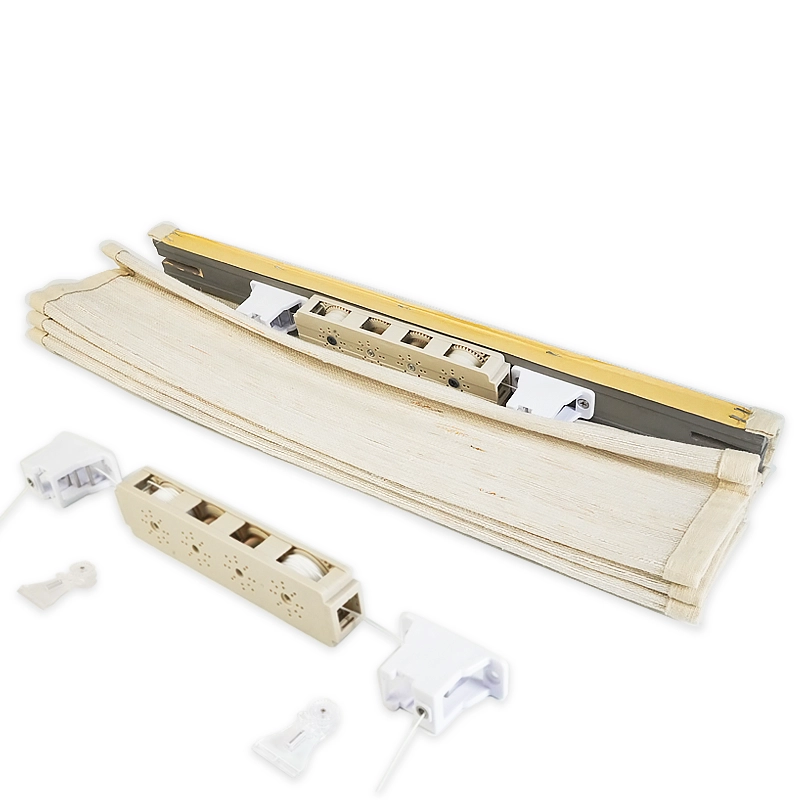
Under the surface, your product relies on a spring-balanced cordless mechanism inside the headrail.
For the homeowner, the story is much simpler:
“No cords. Push up or pull down by hand. It stays put.”
A practical structure for your product page hero area could be:
- Title: “Cordless Child Safe Faux Wood Blinds for Family Homes”
- Subheading: “No loose cords, smooth one-hand lift, and stable hover for everyday use.”
- 3 bullet points: Safety, convenience, and style.
4. Use Proof Instead of Adjectives
 |
 |
American shoppers are used to bold marketing language. Words like “premium”, “innovative”, or “ultimate” have lost power.
Instead, give them specific proof that your “child safe” claims are grounded in engineering:
- Cycle life: “Cordless mechanism tested to 10,000+ lift cycles at rated fabric weight.”
- Hold-at-position: “Engineered to stay where you set it without drifting down over time.”
- Controlled motion: “Balanced spring curve and guided friction prevent sudden ‘snap up’ when released.”
[Visual for Decision Makers] – Insert a simple graphic here comparing a “Standard Spring”
(erratic force, jagged line) vs. “DOSRON Cordless Spring Mechanism” (smooth, controlled torque curve).
Caption: “Market confidence comes from engineering stability, not just marketing words.”
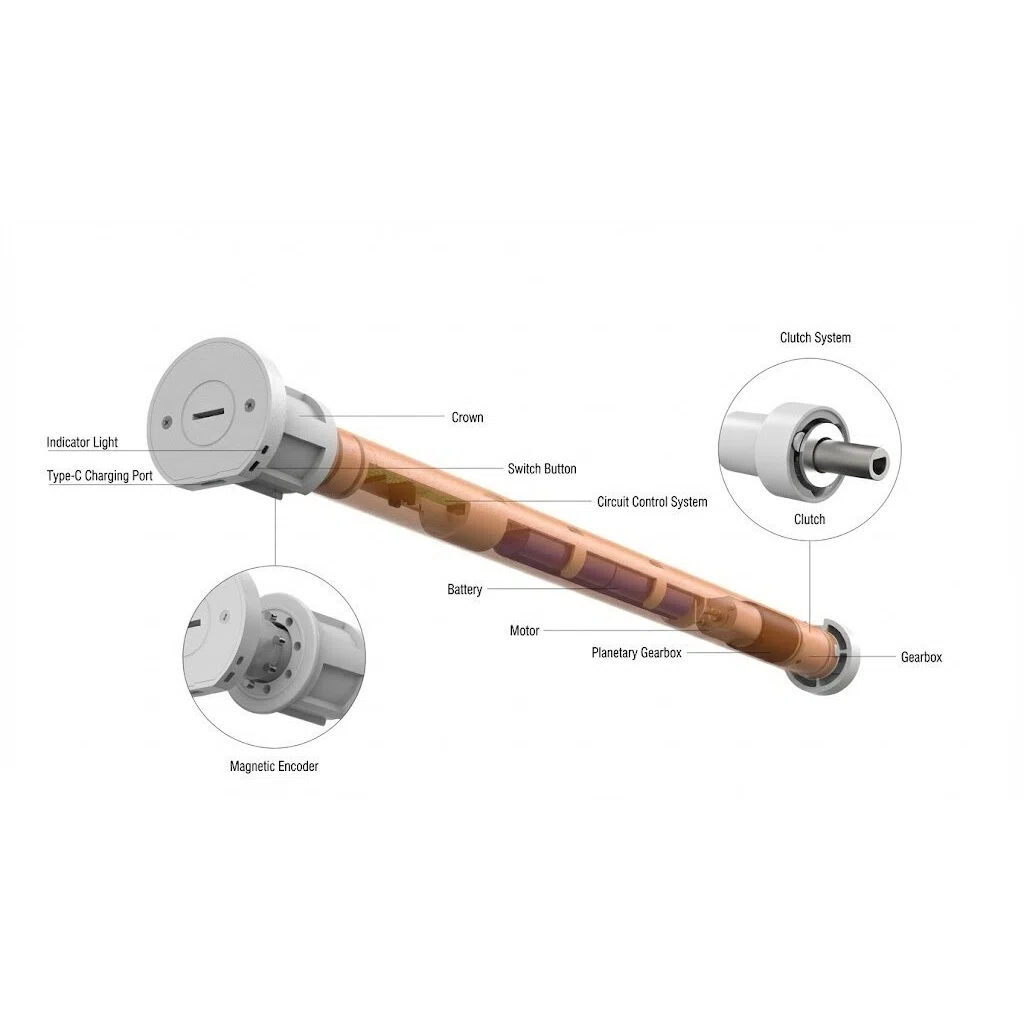
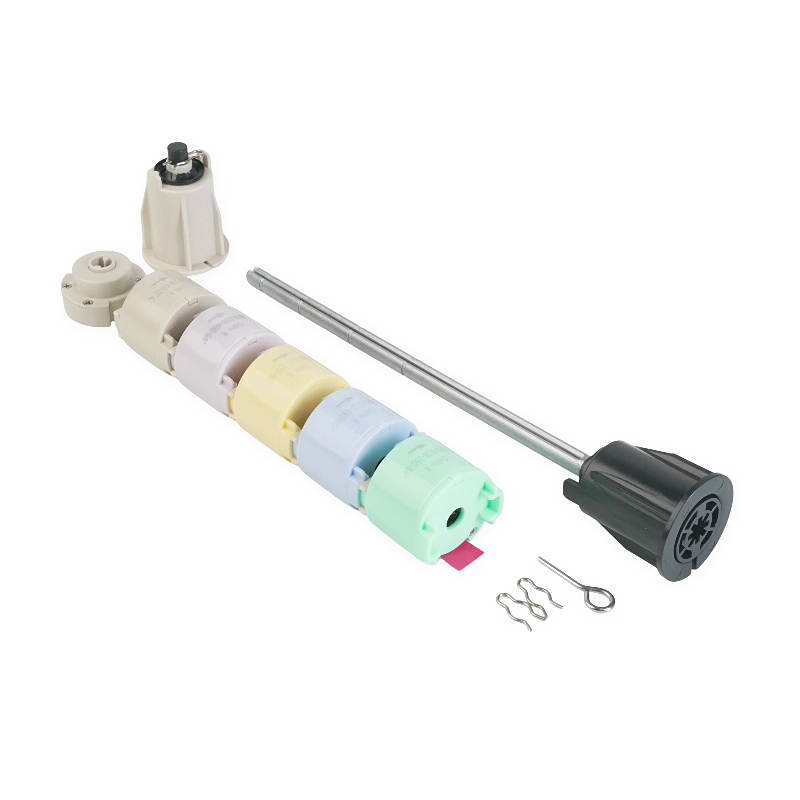
Behind these claims, your component supplier should provide torque curves, spring data, and test reports.
Platforms like DOSRON’s cordless spring box and spring motor modules are designed with this in mind,
so you can put concrete numbers into your marketing instead of guessing.
5. Give Sales Staff & Installers a Simple, Honest Script
Your in-store team, dealers, and installers are often the ones explaining “child safe blinds” face to face.
If they feel unsure, they either avoid the topic or oversell. Give them a simple, repeatable script:
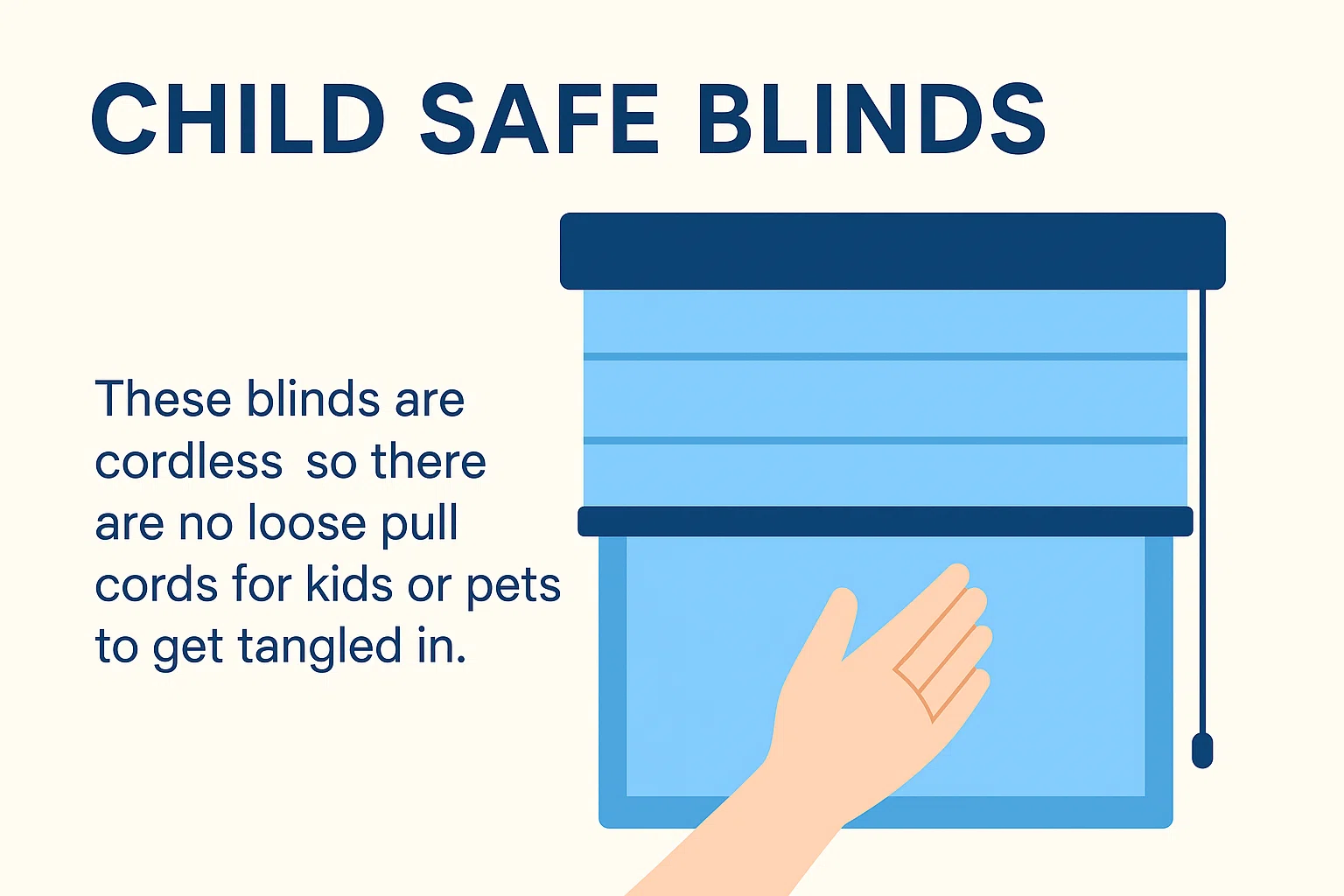
- One-sentence pitch: “These blinds are cordless, so there are no loose pull cords for kids or pets to get tangled in.”
- Two key benefits: “They’re easy to lift with one hand, and they stay where you put them.”
- One proof point: “The internal spring and brake are tested for thousands of cycles at the factory.”
Then, back this up with clear answers to common questions:
- “What if my shade feels too loose / too tight?” — “The mechanism can be pre-tensioned and adjusted for your window size and fabric weight.”
- “Will it snap up if my child lets go?” — “The spring curve and internal friction are tuned to prevent that; it’s designed to move in a controlled way.”
- “Can I use this in a nursery or playroom?” — “Yes, this cordless design is specifically recommended for rooms where children spend time.”
Because the hardware comes from a specialist in cordless spring mechanisms, your team can answer with confidence
instead of vague reassurance.
6. Let the Technology Carry the Promise
You can speak softly in marketing when the product truly behaves as promised. That’s where component technology matters:
- Cordless spring mechanisms balance fabric weight so the blind feels light but controlled for everyday use.
- Integrated brakes keep the rail stable at any height, even in kids’ rooms with frequent, sometimes rough operation.
- Consistent torque bands reduce the chance of “too loose” or “snaps up” complaints that damage trust and reviews.
When your OEM program is built on a robust platform (for example, DOSRON’s spring motor and cordless spring box families),
you can under-promise and over-deliver:
- Marketing keeps the message simple and conservative.
- Engineering knows the mechanism is operating in its ideal window.
- Customers experience a blind that just quietly works — and that’s exactly what they wanted.
7. Turn “Child Safe” into a Consistent Funnel, Not a One-Line Claim
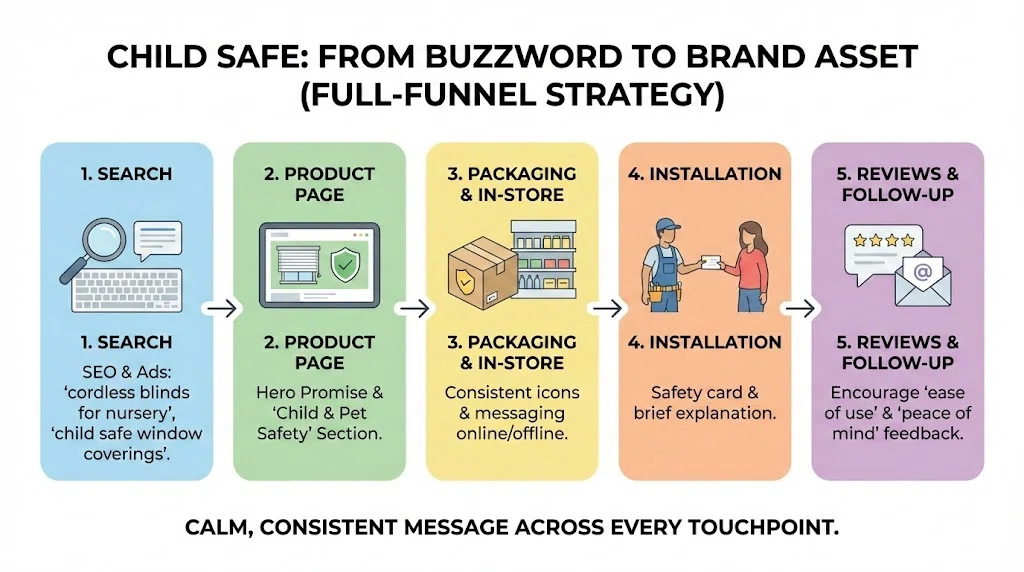
To really move the needle in the U.S. market, treat “child safe” as a full-funnel theme, not just a badge:
- Search: Use terms like “cordless blinds for nursery”, “child safe window coverings” in your SEO pages and ad copy.
- Product page: Make the promise clear in the hero area and dedicate a section to “Child & Pet Safety”.
- Packaging & in-store: Repeat the same wording and icons so offline and online messages match.
- Installation: Give installers a safety card and short explanation they can share with the homeowner.
- Reviews & follow-up: Encourage customers to mention ease of use and peace of mind in their feedback.
When every touchpoint repeats a calm, consistent message backed by stable hardware, “child safe” shifts from buzzword to brand asset.
FAQ: Selling Child Safe Cordless Blinds Without Being Pushy
1. Do U.S. parents really care about child safe blinds?
Yes. Search terms like “cordless blinds”, “child safe blinds” and “baby proof window blinds” are common.
Many parents first encounter the topic when preparing a nursery or toddler room. They may not know all the technical details,
but they clearly understand that “no cords is safer than cords.”
2. How prominent should the child safety message be?
Put it near the top, but avoid red warning triangles everywhere. A good balance is:
one clear line near the hero (“Cordless, child safe lift”) plus a short safety section below with icons and proof points.
Let the rest of the page talk about light control, privacy, design, and energy efficiency.
3. Should we show images of accidents to make the point?
No. That kind of imagery can feel exploitative and may push some parents away.
Use positive scenes of kids and pets around cordless window coverings instead.
The goal is reassurance, not shock.
4. How do we justify the higher price of cordless blinds?
Explain that cordless systems use precision-engineered mechanisms instead of simple cord loops:
engineered springs, low-friction housings, and tested brakes.
Frame the price difference as a long-term investment in convenience and peace of mind, not a luxury add-on.
5. Can we call a corded product “child safe” if we just add warnings?
That is risky. U.S. expectations around cord safety are moving steadily toward cordless solutions.
Position legacy corded products clearly and avoid implying they are suitable for nurseries or playrooms.
At the same time, offer cordless upgrade paths using modern spring or spring-motor systems.
6. Should we mention DOSRON or component brands to end users?
In B2C messaging you can keep it light: for example,
“Powered by professional cordless spring mechanisms from a specialist manufacturer.”
For B2B buyers and trade partners, you can highlight DOSRON by name and share more detailed specs, torque curves, and test data.
Ready to Upgrade Your Cordless Program?
Don’t let inconsistent hardware undermine your “Child Safe” promise.
Request the DOSRON Engineering Kit featuring our latest Spring Motor and Cordless Spring Box torque data,
recommended load ranges, and sample configurations for roller, zebra, honeycomb, and faux wood blinds.
REQUEST A SAMPLE KIT FOR ENGINEERS
*Ideal for Product Managers & R&D Teams targeting U.S./EU child safe window covering programs.
Field Insight — Action Checklist for Brands & OEM Buyers
If you want your teams to sell child safe cordless blinds confidently to U.S. families, align three layers and keep them consistent from engineering to marketing:
- 1. Message: Simple, empathetic talking points that every salesperson can remember:
“No cords, easy lift, stays put.” Avoid jargon and fear-based language. - 2. Proof: Real test data from your cordless spring mechanisms or spring motors:
documented cycle life, torque bands, hold performance, and recommended load ranges for each mechanism model. - 3. Experience: Hardware that actually feels light, controlled, and stable in daily use.
This is where consistent component platforms (like DOSRON’s cordless spring boxes and spring motors) prevent “surprises” in the field. - 4. Enablement: Train retail staff, installers, and customer service using the same simple language and visuals.
Give them diagrams, one-page cheat sheets, and short scripts so they never have to improvise the safety story. - 5. Feedback Loop: Track reviews and complaints related to operation (“too tight / too loose / snaps up”),
and feed that data back into your engineering and sourcing decisions with your component supplier.
Lock the engineering with your component partner first, then build calm, honest marketing around it.
That is how you turn “child safe cordless blinds” from a marketing trend into a repeatable competitive advantage in the U.S. market.
Field Insight — Action Checklist for Brands & OEM Buyers
If you want your teams to sell child safe cordless blinds confidently to U.S. families, align three layers and keep them consistent from engineering to marketing:
- 1. Message: Simple, empathetic talking points that every salesperson can remember:
“No cords, easy lift, stays put.” Avoid jargon and fear-based language. - 2. Proof: Real test data from your cordless spring mechanisms or spring motors:
documented cycle life, torque bands, hold performance, and recommended load ranges for each mechanism model. - 3. Experience: Hardware that actually feels light, controlled, and stable in daily use.
This is where consistent component platforms (like DOSRON’s cordless spring boxes and spring motors) prevent “surprises” in the field. - 4. Enablement: Train retail staff, installers, and customer service using the same simple language and visuals.
Give them diagrams, one-page cheat sheets, and short scripts so they never have to improvise the safety story. - 5. Feedback Loop: Track reviews and complaints related to operation (“too tight / too loose / snaps up”),
and feed that data back into your engineering and sourcing decisions with your component supplier.
Lock the engineering with your component partner first, then build calm, honest marketing around it.
That is how you turn “child safe cordless blinds” from a marketing trend into a repeatable competitive advantage in the U.S. market.