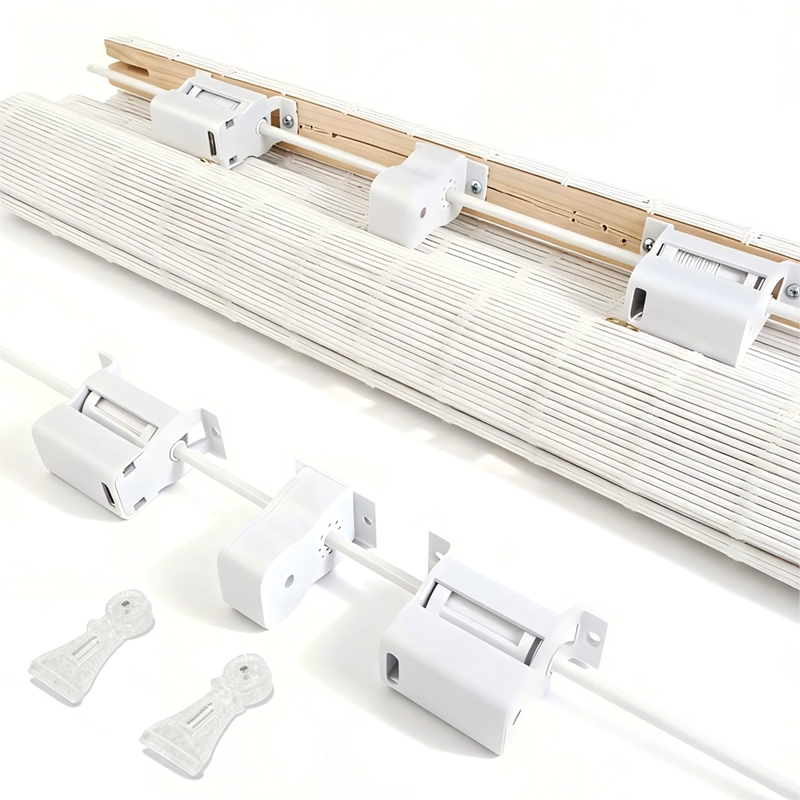
Retrofit Ready: Turn Any Room Safer with a Spring-Driven Roller Shutter System
Published by DOSRON ·
·
Updated
Quick Summary
Quick Summary
The Spring-Driven Roller Shutter System is designed for fast, clean retrofits that immediately improve household safety and comfort. A precision spiral spring provides cord-free lift, manual failover during power loss, and quieter motion; optional smart control adds scenes and schedules. Compared with fully electric or purely manual shutters, the spring-assist architecture reduces maintenance, cuts noise, and helps you make any room calmer and safer—without invasive remodeling.
- Spring-Driven Roller Shutter System
- retrofit-friendly
- child & pet safety
- manual failover
- smart control
- low maintenance
- quiet operation
- DOSRON
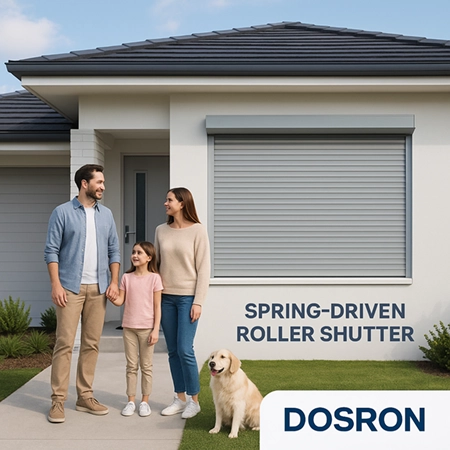
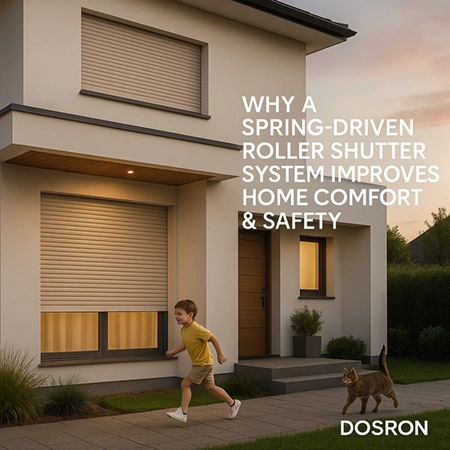
1. Why a Spring-Driven Roller Shutter System Improves Home Comfort & Safety
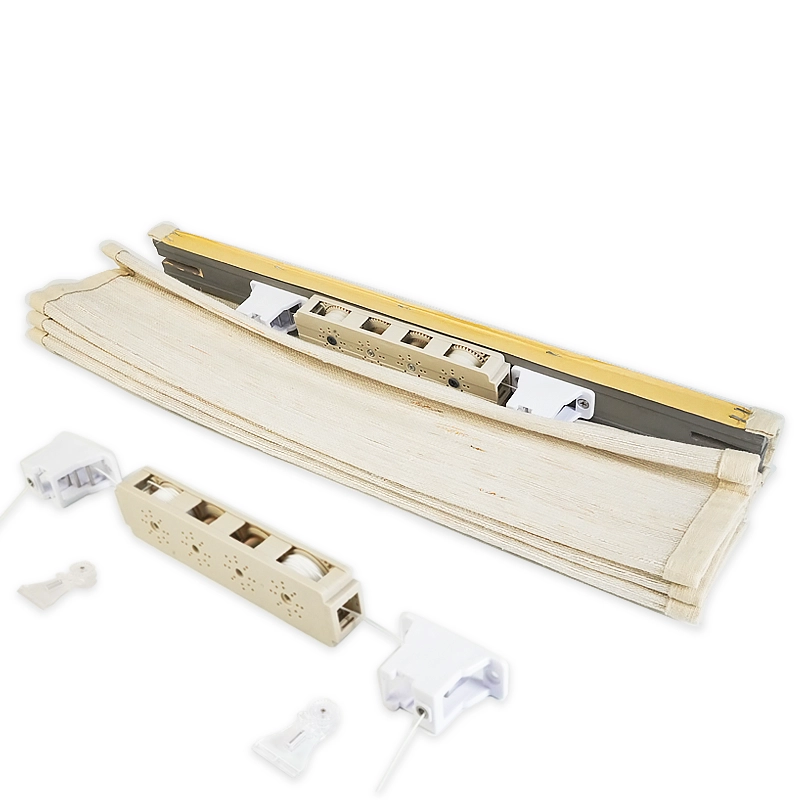
Families need privacy, low noise, and frictionless routines—ideally without tearing walls open or adding bulky tracks. Traditional electric shutters rely entirely on power; manual shutters rely entirely on muscle. A Spring-Driven Roller Shutter System uses stored spring energy to balance the panel’s weight, so operation is smooth by hand and whisper-quiet with motor control. During outages, shutters continue to work manually. Around children and pets, no dangling cords and fewer pinch points mean safer daily use. Best of all, the compact tube-and-bracket design makes upgrades feasible in finished rooms with minimal disruption.
1.1 Design Pillars for Retrofit Success
- Cordless by architecture: No exposed lift cords; fewer entanglement vectors in kids’ rooms and pet zones.
- Hold-at-any-position: Tuned spring torque and guided friction keep the shutter steady at intermediate heights.
- Smooth & quiet: Managed rebound at the top stop reduces clatter; typical operation <45 dB in residential settings.
- Manual failover: Works even without power—vital for storms, planned outages, and night safety.
- Smart-ready: Add low-voltage motor control for scenes, schedules, and voice assistants without sacrificing silence.
 |
 |
2. System Architecture: Spring Core with Optional Smart Motor
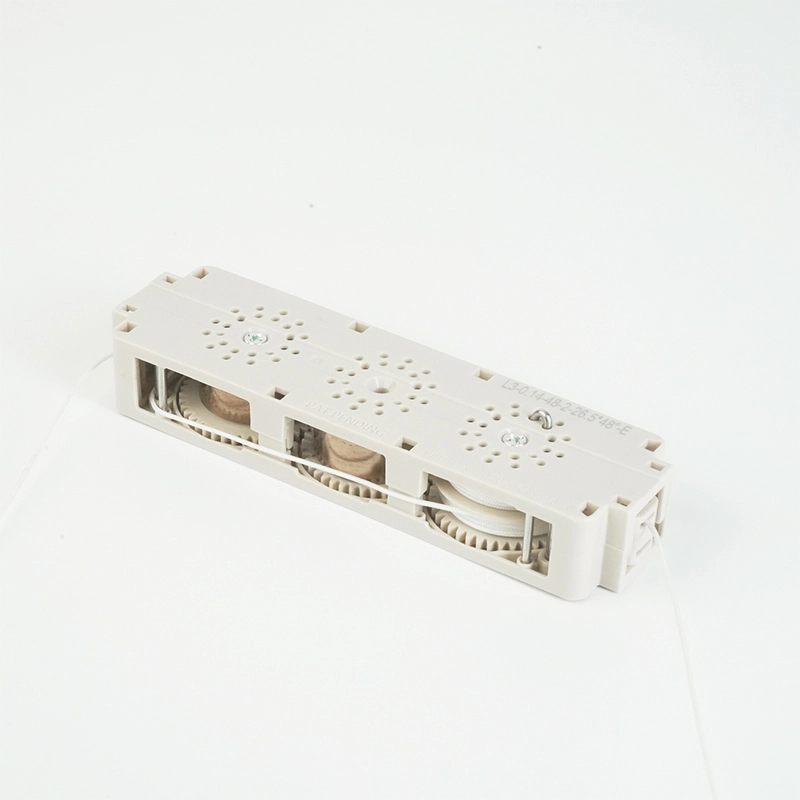
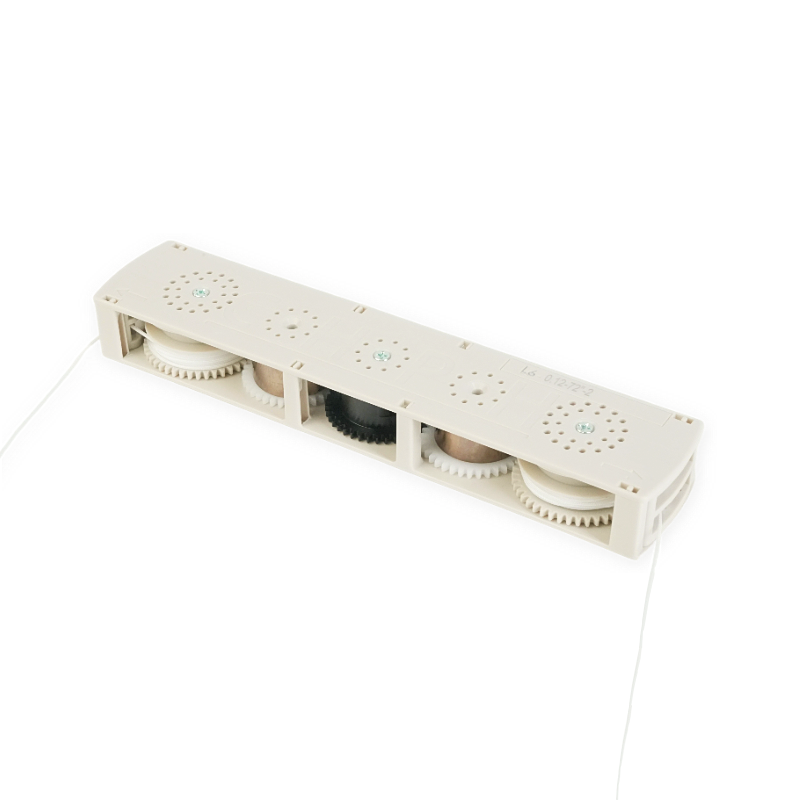
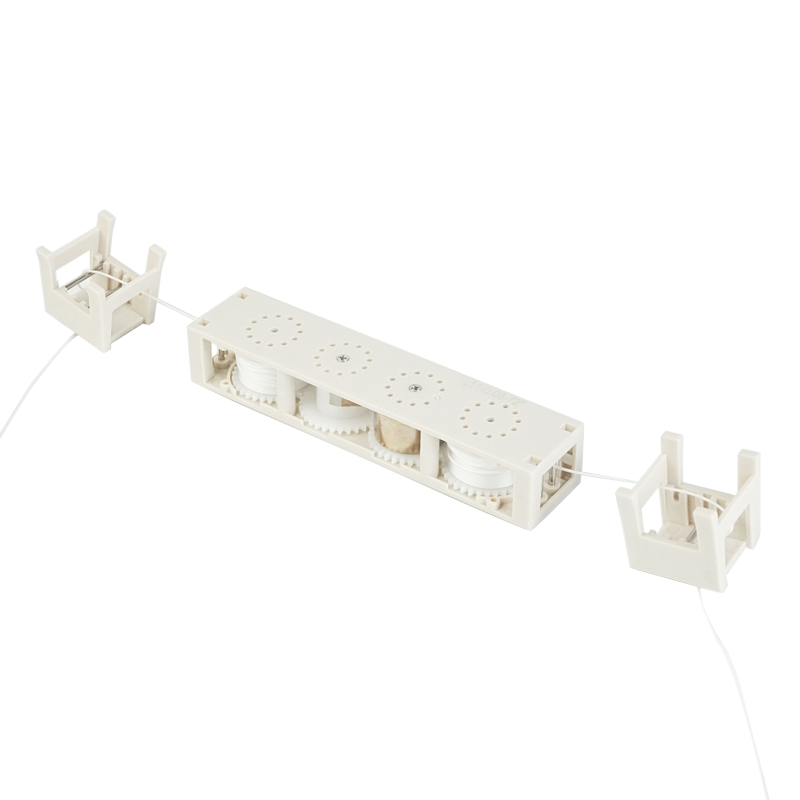
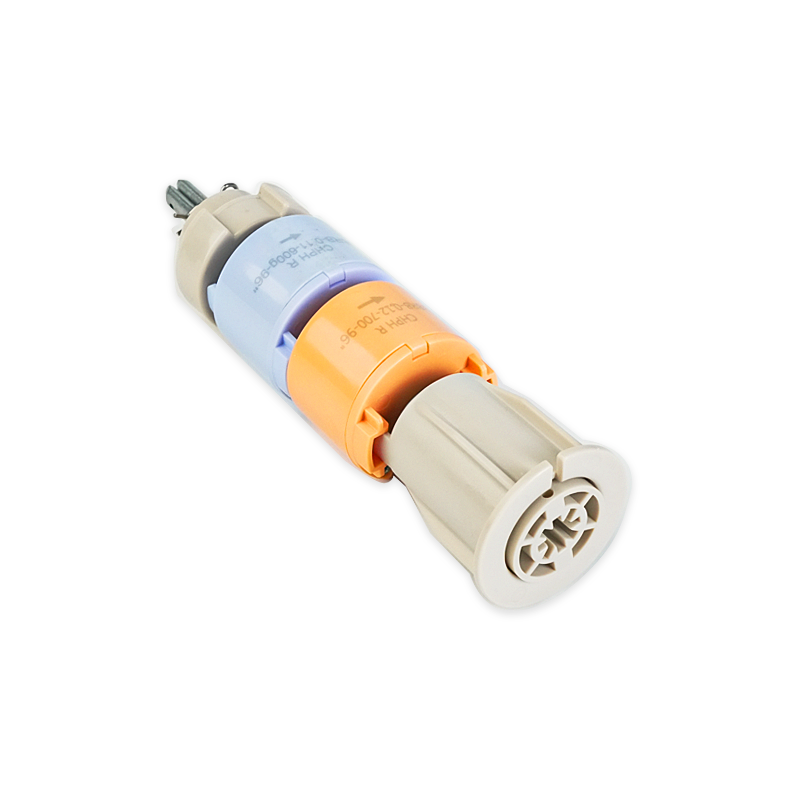
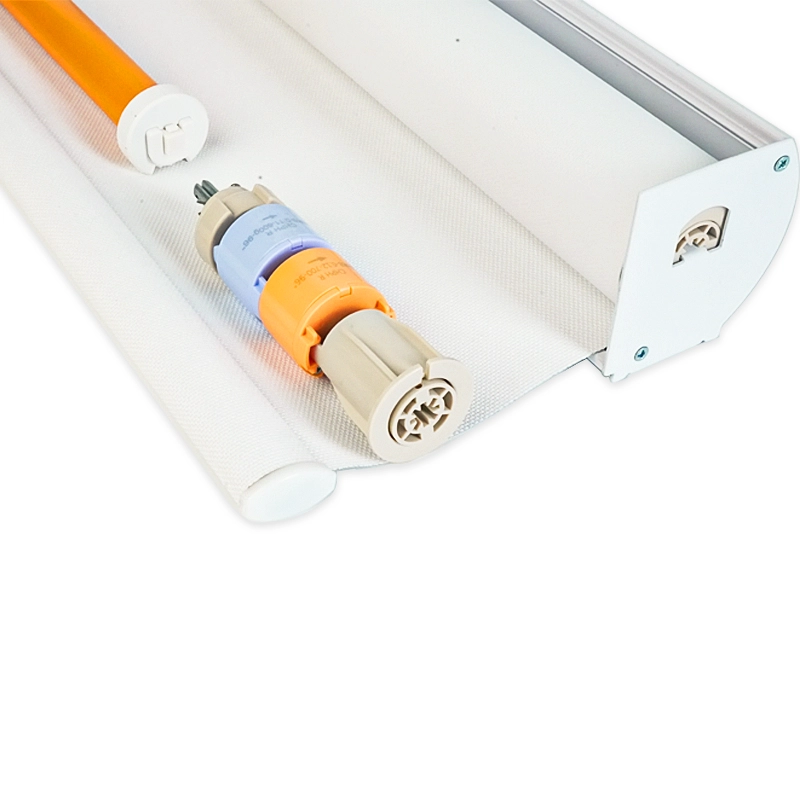
DOSRON’s spiral spring stores energy as the shutter lowers and releases it during lift, counterbalancing panel mass across travel. Guided friction stabilizes movement and prevents creeping at rest. Add a compact low-voltage motor for app/remote control; the spring still does the heavy work, so energy draw stays minimal and batteries last longer. Because the mechanism lives inside the tube, most installs keep existing finishes intact—your walls and trims stay pretty.
2.1 Balance, Damping & Fine-Tuning
- Pre-tension: Bench-set turns so the shutter holds at mid-height; verify again after mounting.
- Guidance: Keep tube and brackets coaxial; a 1–2 mm shim often removes squeaks from wall flex.
- Damping: Managed friction tames rebound at the top stop and prevents creeping.
- Seals & brushes: Edge seals block light/dust and absorb micro-rattle for a “solid door” feel.
- Latching: A discreet magnetic catch parks the bottom rail for storm days or when windows are ajar.
 |
 |
3. Key Parameters — Spring Load Reference & System Comparison
Use the load reference to choose a spring band that matches shutter width/height and panel mass. Then compare architectures to see why a spring-driven approach delivers the best blend of comfort, safety, and longevity—especially for retrofit projects where wiring and demolition must be minimal.
| Fabric /inch | 36 | 48 | 54 | 60 | 64 | 72 | 84 | 86 | 96 | 102 | 112 | Top rebound force |
|---|---|---|---|---|---|---|---|---|---|---|---|---|
| 0.09*19*2000 | 180 | 207 | 220 | 234 | 243 | 260 | 287 | 292 | 314 | 327 | 350 | 50 |
| 0.10*19*2000 | 274 | 315 | 335 | 356 | 370 | 397 | 438 | 445 | 480 | 500 | — | 75 |
| 0.11*19*2000 | 382 | 426 | 448 | 470 | 484 | 513 | 557 | 565 | 600 | — | — | 125 |
| 0.12*19*2000 | 482 | 526 | 548 | 570 | 584 | 613 | 657 | 665 | 700 | — | — | 175 |
Unit: g · TOP rebound force should be less than down-rail weight.
| Feature | Traditional Electric System | Manual Shutter System | Our Spring Driven System |
|---|---|---|---|
| Operation Method | Fully electric | Fully manual | Spring assisted + electric control |
| Power Outage Operation | Not operable | Operable | Operable (manual mode) |
| Noise Level | Medium (50–60 dB) | Low | Very low (<45 dB) |
| Maintenance Frequency | 1–2 times/year | Minimal | Once every 2 years |
| Maximum Load Capacity | 100 kg | Depends on human strength | 80 kg |
| Smart Control | Supported | Not supported | Fully supported |
| Lifespan | 8–10 years | 10–15 years | 15+ years |
| Safety Features | Obstruction stop | None | Obstruction stop + safety sensors |
4. Everyday Use with a Spring-Driven Roller Shutter System
Operation becomes second nature: raise/lower by hand with minimal effort, or trigger scenes via remote/app when paired with motor control. Mid-height holds are stable for ventilation, nap time, or glare control. Because the spring shares the workload, small motors stay quiet and draw less power, extending battery life in smart-home setups. Retrofits benefit from cleaner cable runs and the option to start manual today, then add smart control later without redoing carpentry.
| Task | What to Check | Outcome |
|---|---|---|
| Pre-tension | Turns vs. panel height | Stable hold without slip |
| Coaxiality | Tube ↔ bracket alignment | Lower noise, less wear |
| Seals & friction | Brush/rubber strips, rail clearance | Quiet travel, better privacy |
| Smart scenes | Timers, sunrise/sunset, voice | Comfort & energy savings |
5. Safety, Installation & Maintenance
5.1 Built-In Safety Advantages
- No exposed cords: Reduces child and pet entanglement risk.
- Predictable stops: Hold-at-any-position minimizes unintended drops.
- Quiet motion: Lower sound levels support better sleep and focus.
- Manual failover: Always operable in emergencies or outages.
5.2 Installation Guidance
- Structure first: Anchor brackets to solid framing; avoid thin skins without proper backers.
- Measure twice, shim once: 1–2 mm shims correct wall/fascia irregularities.
- Seal strategy: Use edge brushes for light/dust control and a premium feel.
- Commissioning: Verify mid-height hold, top stop rebound, and obstruction safety.
5.3 Routine Maintenance
- Semiannual function check: Raise/hold cycles, listen for new noises.
- Dust control: Wipe guides; apply silicone-safe dry lube to seals as needed.
- Smart gear: If motorized, check battery/adapter and update firmware on gateways.
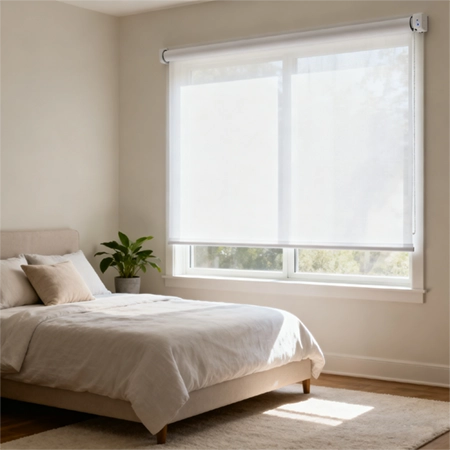
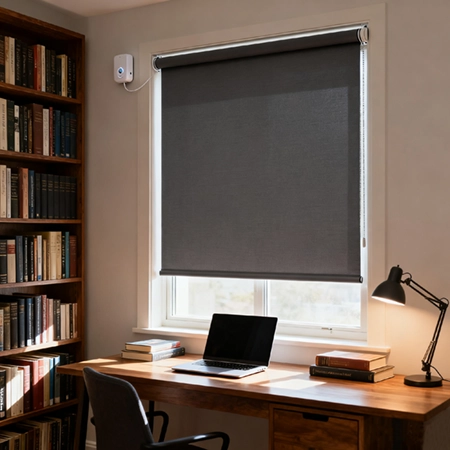
6. Where Spring-Driven Roller Shutter Systems Shine at Home
 |
 |
7. Conclusion: Retrofit Calm, Built to Last
By pairing a tuned spiral spring with optional smart control, DOSRON’s Spring-Driven Roller Shutter System delivers quieter motion, safer daily use, and resilience during outages—without the complexity of heavy motors or the mess of major construction. Choose the right spring band, seal the edges, commission the stops, and enjoy a home that’s calmer, safer, and easier to live in.
Internal Links
Related FAQ
1) What makes a Spring-Driven Roller Shutter System quieter?
The spring shares the lift load, so motors can run slower and seals absorb micro-rattle, keeping operation below typical household ambient levels.
2) Will shutters still work in a power outage?
Yes. Manual operation remains available because the spring balances the panel’s weight.
3) How do I choose the right spring?
Use width/height and panel mass against the load table above; validate with a sample build and a mid-height hold test.
4) Is smart control required?
No. Smart control is optional. You can start manual and add a motor later without changing the spring core.
5) What maintenance is typical?
Periodic cleaning of guides and seals plus a semiannual function check; the spring core is sealed and designed for long life.