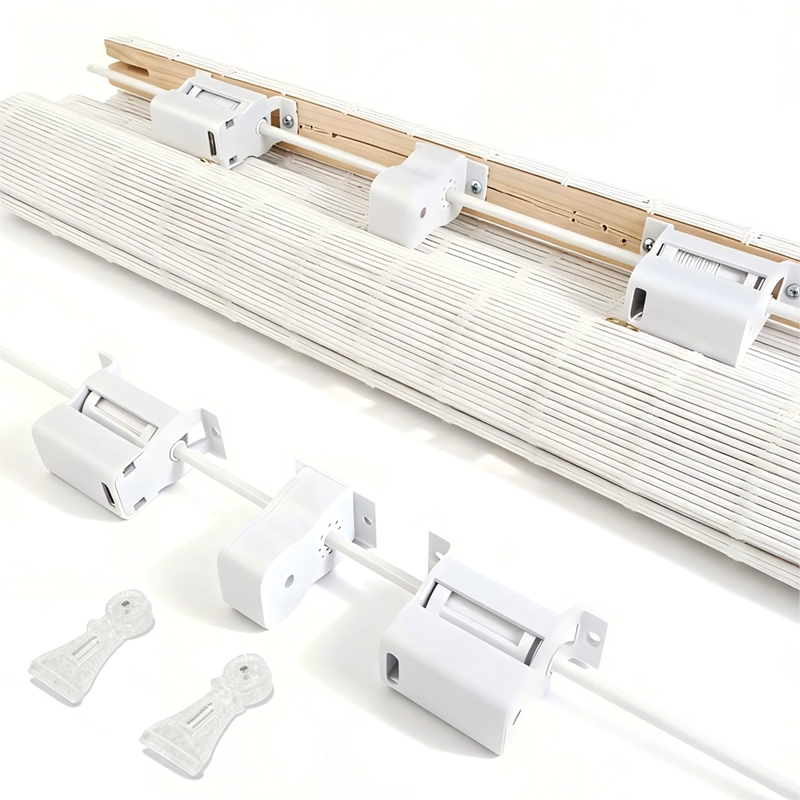
How Cordless Spring Systems Help Shade Manufacturers Cut Energy Costs and Improve Efficiency
Published by DOSRON ·
·
Updated
Quick Summary
Quick Summary
For shade OEMs, cordless spring architecture is a direct lever on cost and reliability:
it removes powered run-ups on the line, replaces long burn-ins with static torque checks,
and improves field battery life when paired with low-power hybrid control.
Engineering targets—≥10,000 cycles,
±5% torque stability,
and ≤40 dB motor platforms—translate into measurable savings
(line power, test time, rework) and steadier throughput.
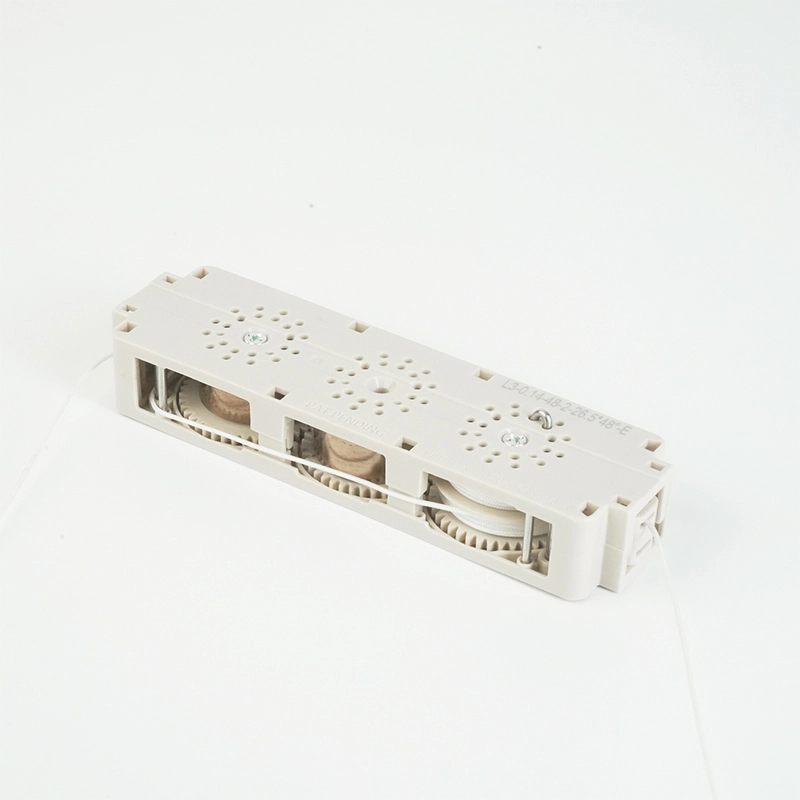
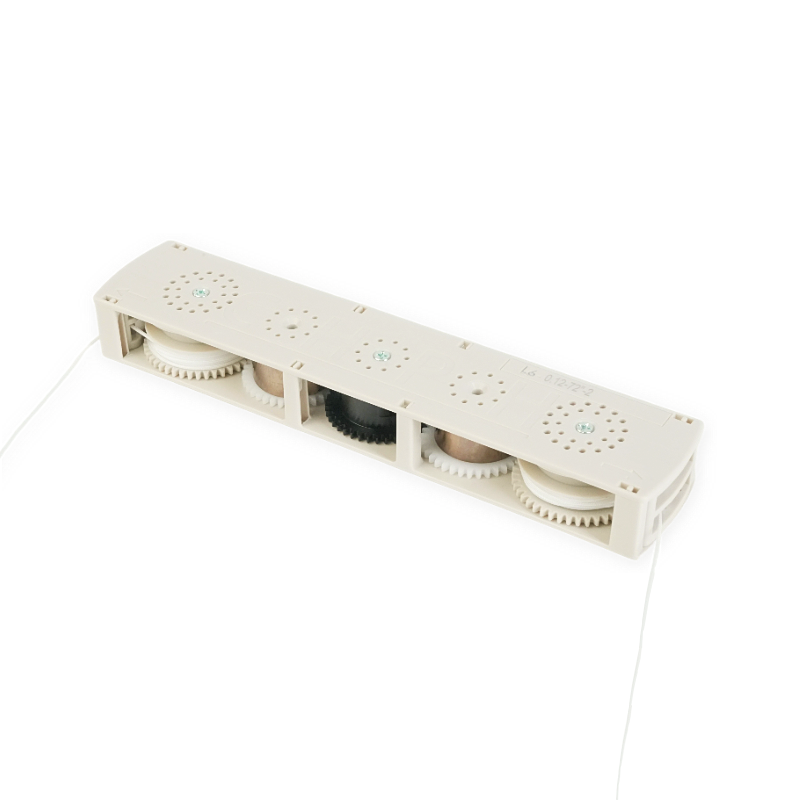
DOSRON’s spiral-spring + POM housing + hybrid 32/38 mm motor options
give manufacturers a repeatable path to energy-efficient, compliant, and scalable cordless product lines.
Core keywords: cordless spring system, spiral spring mechanism, torque stability, cycle life, low power motor control, DOSRON hybrid system, energy-efficient manufacturing, modular assembly, sustainable window coverings, POM housing.
1. From Motor Dependence to Mechanical Balance
Spring balance vs. pure motor drive.
Motor-only systems require powered travel and limit validation during build;
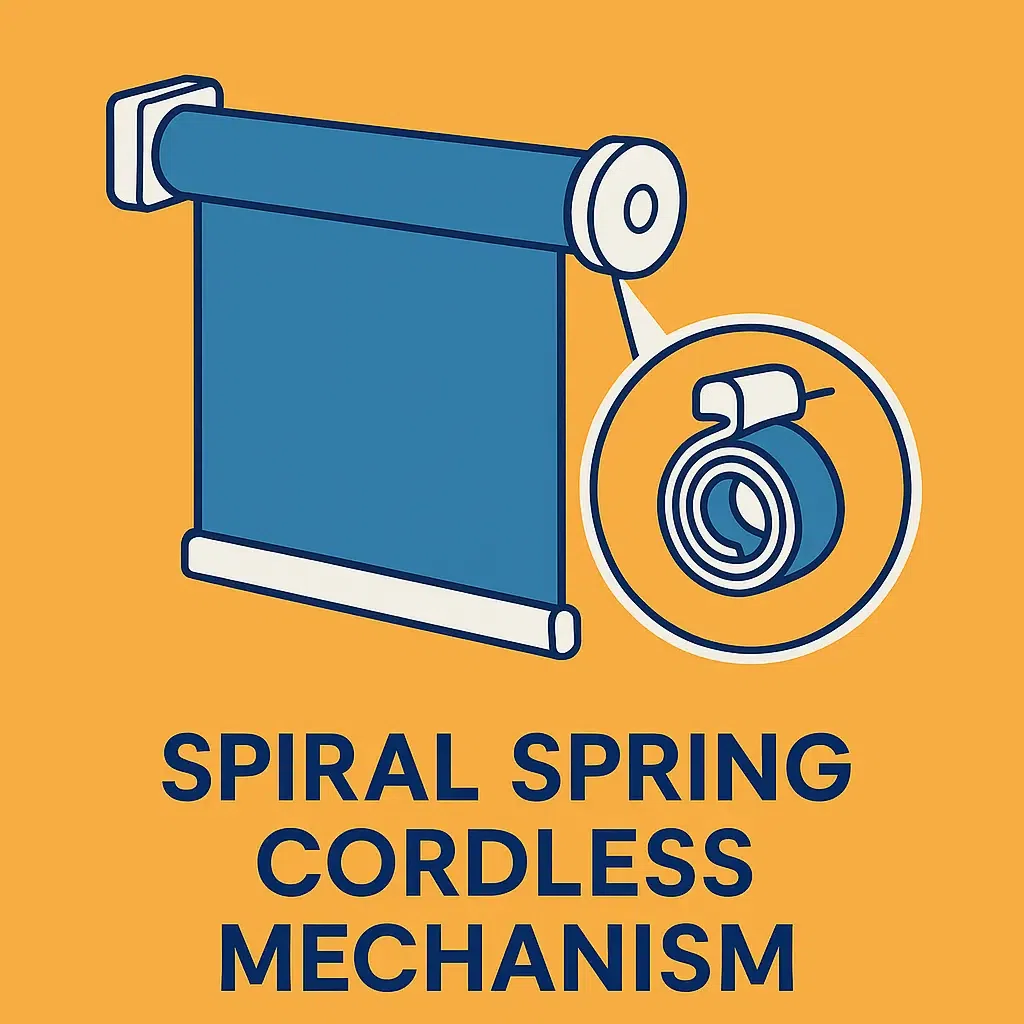
spring-balanced systems store/release mechanical energy with
zero run-time power for manual operation—ideal for small/medium roller and honeycomb shades.
1.1 DOSRON Spiral-Spring Engineering Logic
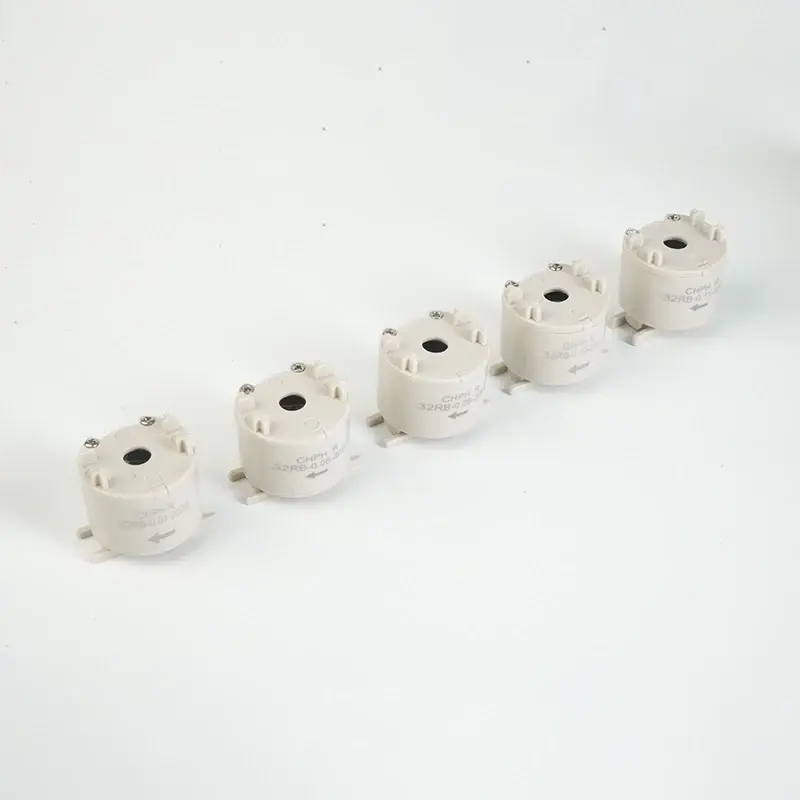
- Materials: 301 stainless-steel spiral springs + POM housings minimize friction/wear.
- Stability: Holding torque drift within ±5% after full-travel cycling prevents creep/slip/rebound.
- Endurance: Residential baseline ≥10,000 cycles; light-commercial targets 20,000+.
2. Manufacturing Power Reduction: Assembly, Test, and Rework
Modular assembly lowers line power.
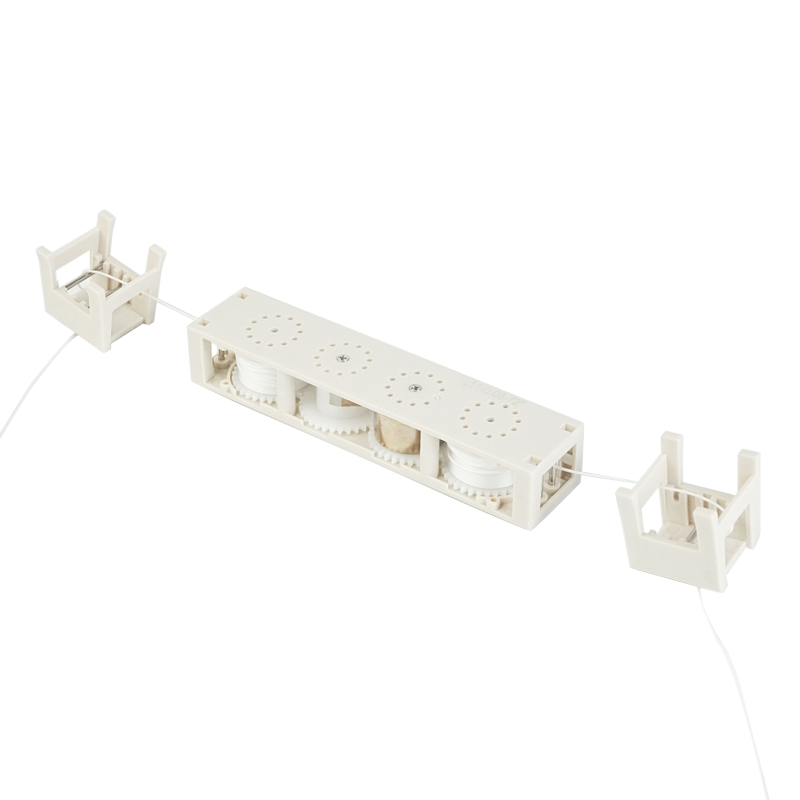
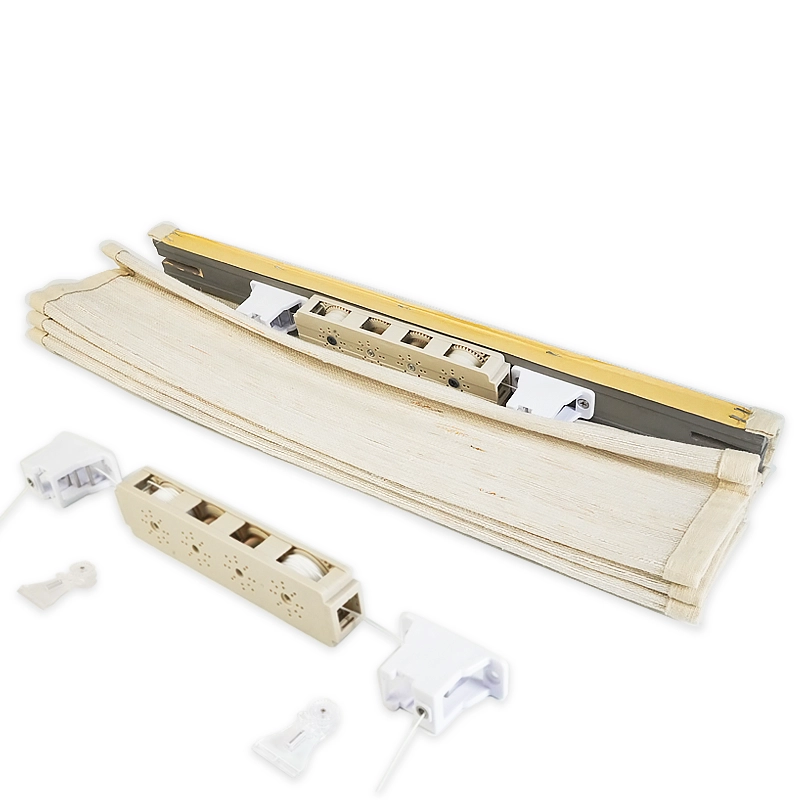
Pre-loaded spring modules insert into the tube without powered limit-learn.
Removal of powered run-ups typically reduces station load by >40% and cuts takt variability.
2.1 Static Test Replacement
- Static torque/balance gauges replace long burn-ins; record torque curve, pre-load angle, drift after N cycles.
- Data is linked to lot/serial for traceability and CoC packages.
2.2 Lower Rework & Scrap
- Fewer electrical failure modes; less e-waste vs. motor-only builds.
- Supports ISO 14001 / RoHS environmental plans.
3. In-Field Efficiency: Hybrid Hand-Electric Control
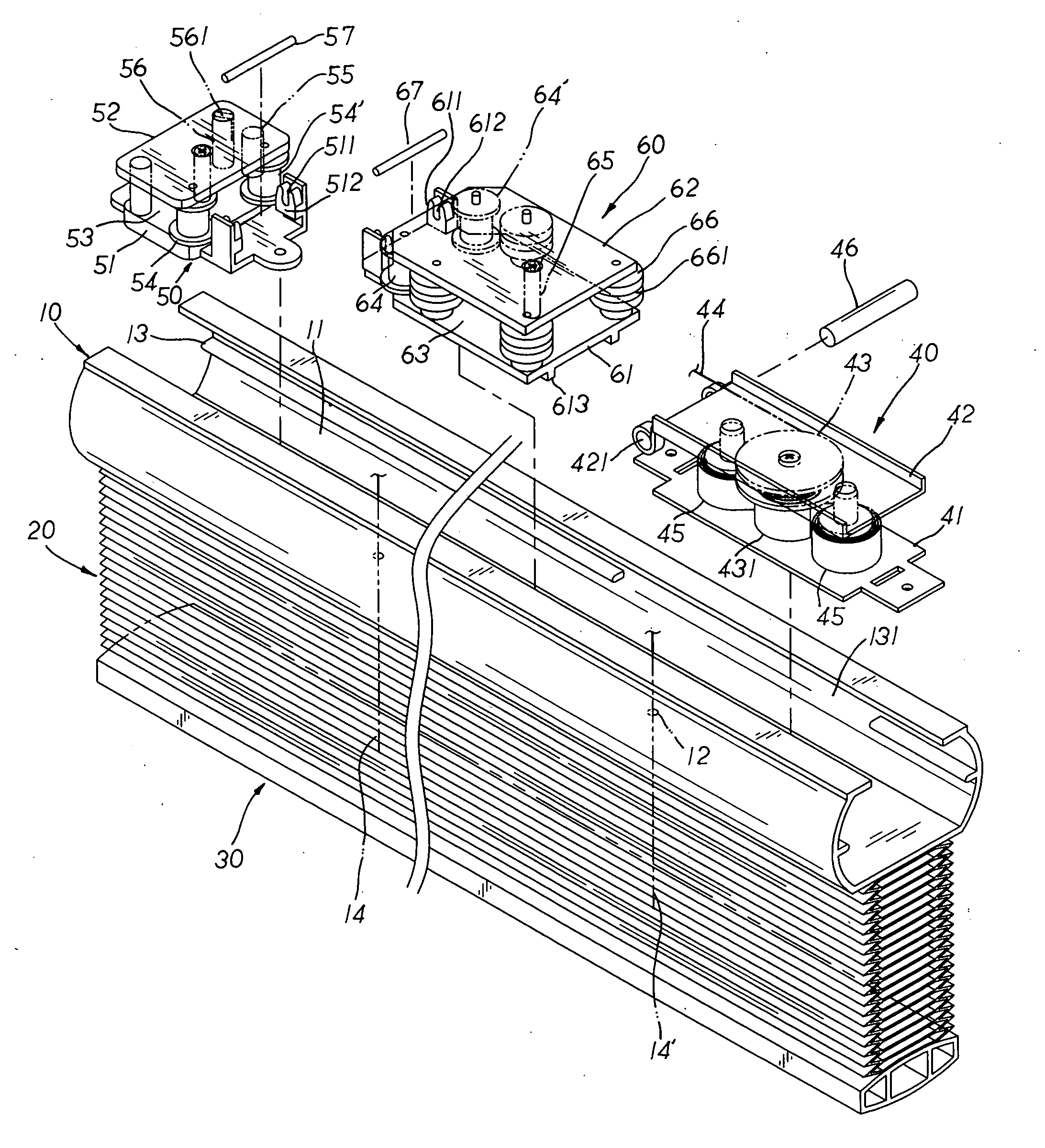
Mechanical trigger + motor takeover.
User nudges the bottom rail; the motor manages travel/limits.
Less standby and shorter powered motion extend battery life by ~20–30% in typical residential duty.
3.1 Low-Power Motor Control
- 32 mm / 38 mm tubular motors; low-noise gearing; stable limit control.
- Sleep logic + soft start/stop trims peak current by ~25%.
3.2 Spring Assist & Load Reduction
- Assist reduces motor torque on lift and damps descent—less heat, longer life.
- Optional solar input for stand-alone use; wiring-free retrofit friendly.
4. Quantifying the Gain: Part-Level and Line-Level
| Dimension | Primary Lever | Typical Effect | Measurement/Notes |
|---|---|---|---|
| Assembly | Remove powered travel checks | Line power ↓ 30–50% | Station meter logs before/after; same takt |
| Test | Static torque verification | Test time ↓ 20–35% | Torque curve fixture; drift after N cycles |
| Field use | Hybrid low-power control | Battery life ↑ 20–30% | Duty profile: 2–4 runs/day, 2–3 m travel |
| Maintenance | Fewer electrical failure modes | Service calls ↓ 15–25% | Warranty ticket trend over 12–18 months |
5. Operations & Quality Synergies
6. Conclusion:From Saftety to Efficiency by Design
Cordless spring systems merge safety imperatives with manufacturing efficiency.
When paired with low-power automation where needed, they cut station power, compress test time, and improve field reliability.
OEM doctrine: define torque targets, validate endurance, record drift, and standardize modules across SKUs.
Internal Links
Related FAQ
1) What is a “cordless spring system” in engineering terms?
A spiral-spring balance mechanism that stores/releases mechanical energy to move the shade without accessible cords or run-time power.
2) How does it reduce manufacturing energy use?
By removing powered run-ups and replacing long burn-ins with static torque checks, line station load typically drops by 30–50%.
3) What performance targets should OEMs adopt?
≥10,000 cycles endurance, ±5% torque stability across travel, and ≤40 dB motor platforms for hybrid SKUs.
4) Does hybrid hand-electric control consume more power?
No. With sleep logic and soft start/stop, peak current is trimmed by ~25% and battery life extends by ~20–30% in residential duty.
5) Which materials matter for durability?
301 stainless-steel springs and POM housings reduce wear and friction; tighter tolerances stabilize torque and extend service life.
6) Can this architecture help with compliance (CPSC, ANSI/WCMA)?
Yes. Cordless designs address loop hazards by default; pair with third-party tests and labeling/CoC documentation for market access.
7) What line changes are usually required?
Insert pre-loaded spring modules, add static torque fixtures, update SOP/inspection, and link torque data to lot/serial for traceability.
8) How do results scale at plant level?
Plants shipping ~5,000 sets/month often see ~10–15% total energy cost reduction and steadier throughput from combined effects.
9) Where does spring assist help most in hybrid systems?
It reduces lift torque demand and provides descent damping, lowering heat and extending motor life in daily operation.
10) What are the typical pitfalls to avoid?
Poor tolerance stack-up, inconsistent pre-load angles, and lack of torque drift records—all lead to creep, slip, or rebound.