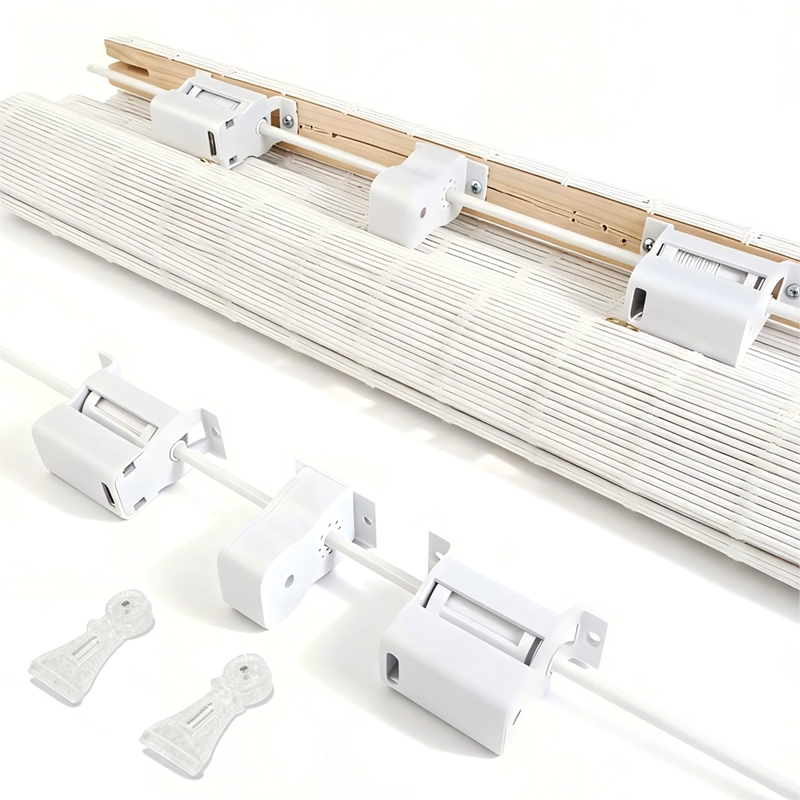
Why Cordless Systems Are Replacing Wire-Ropes: Engineering the Future of Rail Interiors
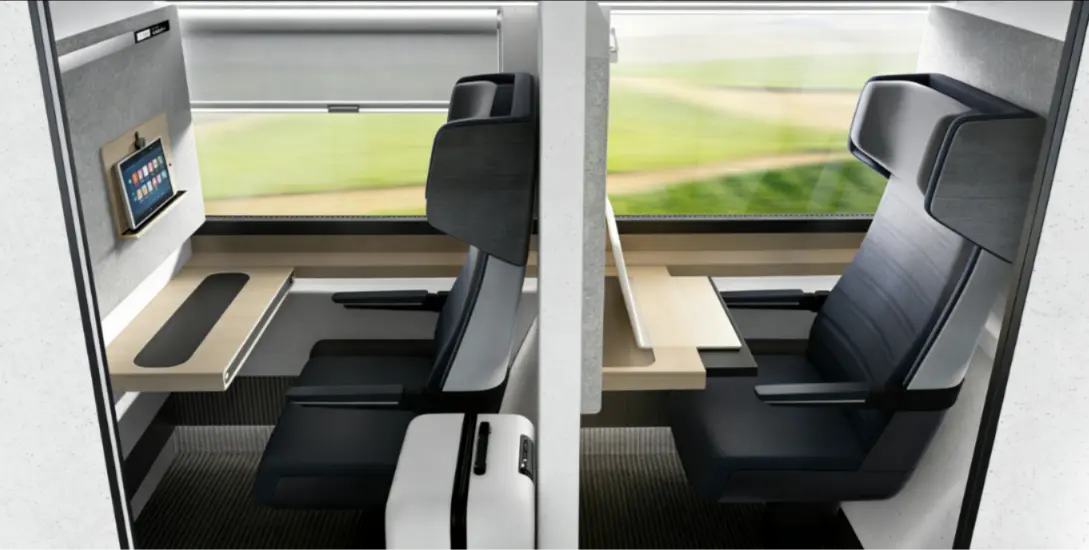
As rail interior systems move toward lighter structures, cleaner aesthetics, and lower lifetime maintenance, traditional wire-rope blind systems are increasingly showing their limitations in reliability, visual integration, and long-term serviceability.
The combination of cordless operation and zipper-integrated guidance is emerging as a more advanced mechanical direction for next-generation railway window covering systems.
Quick Summary
In traditional rail interior shading systems, wire-rope mechanisms have long been used for lifting, guiding, and force transmission. However, under railway conditions such as vibration, limited installation space, repeated use, and strict maintenance expectations, these systems often suffer from frequent wear, visually complex layouts, and a growing number of potential failure points.
By contrast, cordless zipper systems eliminate exposed ropes, improve edge stability through zipper-guided side channels, and use precisely matched spring power to deliver smoother operation, better position control, and lower life-cycle maintenance.
For railway blind manufacturers, Tier 1 suppliers, and rail interior integrators, this is not just a component upgrade. It is a shift toward a more future-ready mechanical system architecture.
1. Why Traditional Wire-Rope Systems Are Losing Their Advantage
For many years, wire-rope systems were widely used in train blinds, railway shades, and guided interior covering structures because their mechanical logic was familiar and their manufacturing base was mature.
But as rail interiors demand cleaner integration, higher reliability, and lower maintenance, the limitations of traditional wire-rope systems have become harder to ignore.
The first and most practical issue is maintenance frequency. Under continuous vibration, repeated motion, temperature variation, and friction, wire ropes are vulnerable to fatigue, tension loss, pulley wear, alignment drift, and eventual failure. Once the relationship between the rope, guide wheels, and fixing points starts to change, the entire blind system may begin to show uneven travel, increased noise, unstable positioning, or jamming.
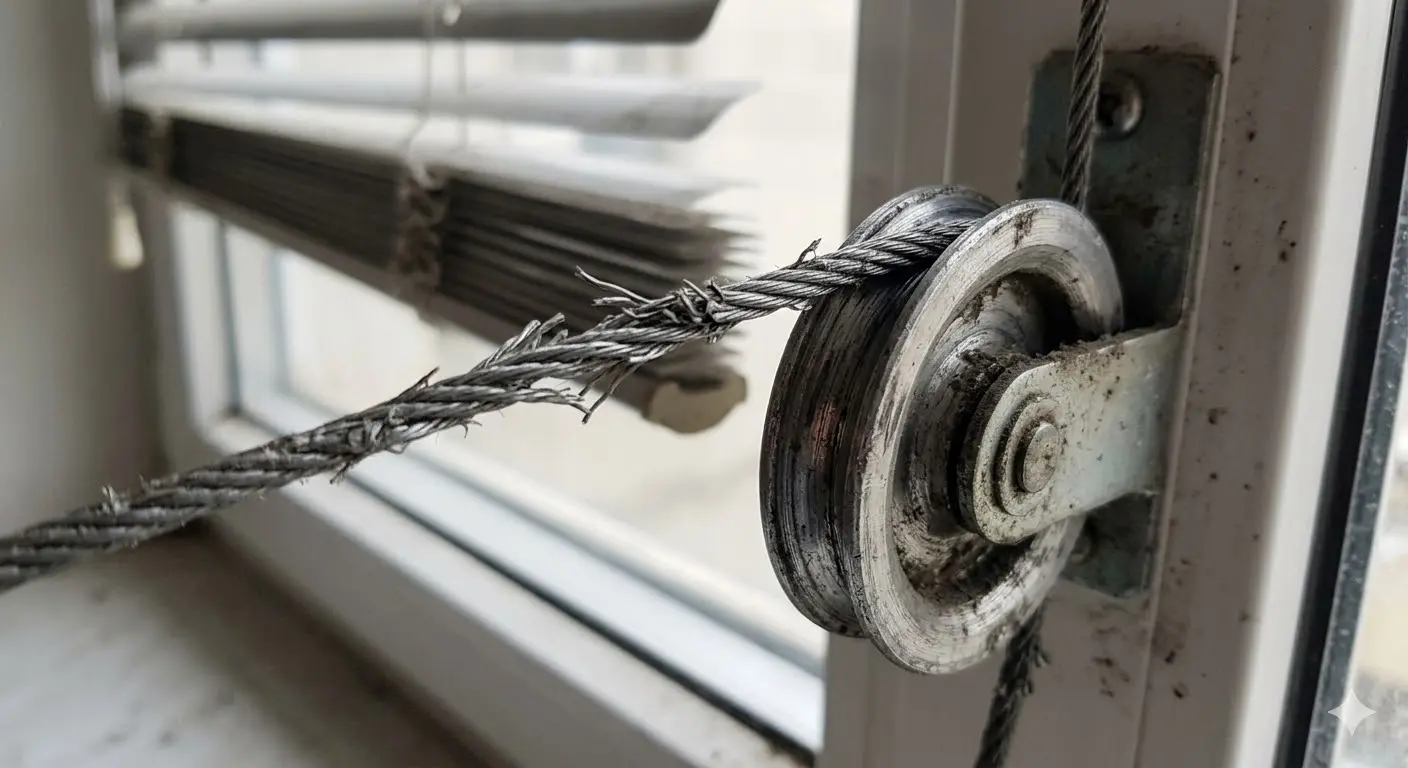
The second issue is visual complexity. Traditional wire-rope systems often require multiple routing points, guide pulleys, exposed tension paths, or extra fixing hardware. That structure made sense in older applications, but it does not fit well with today’s rail interior trend toward flush surfaces, integrated housings, and cleaner design language.
The third issue is system risk and structural redundancy. Exposed ropes and multiple transmission points increase the number of wear locations, assembly dependencies, and long-term service risks. In railway projects, where reliability and low intervention are increasingly valued, wire-rope systems are not necessarily obsolete, but they are no longer the most elegant engineering answer.
| Comparison Factor | Traditional Wire-Rope System | Cordless Zipper System |
|---|---|---|
| Maintenance Frequency | Higher, due to rope fatigue and pulley wear | Lower, with fewer exposed wear points |
| Visual Cleanliness | Complex routing and more visible structure | Easier to integrate into hidden or streamlined housings |
| Operational Stability | Depends heavily on tension consistency | More stable through guided edges and calibrated spring force |
| Long-Term Failure Points | More transmission parts and service-sensitive components | Simpler force path and more controllable wear logic |
2. The Real Industry Challenge: The Impossible Triangle of Space, Zipper Buildup, and Deflection
If the problem with traditional wire-rope systems is that they are too mechanically exposed, the challenge with zipper-guided systems is almost the opposite: they are mechanically cleaner, but far more demanding to execute correctly.
Railway blind systems are not standard architectural shading products. They operate within tighter housings, stricter dimensional boundaries, and higher long-term reliability expectations. That means a zipper-integrated solution may be technically superior, but it is not automatically easy to implement.
2.1 Space Constraints: 32 mm to 46 mm Is Not a Suggestion. It Is the Boundary.
In rail interior applications, the blind system often needs to fit inside an extremely compact cover housing or trim profile. In many projects, the available internal section is only around 32 mm to 46 mm.
That leaves very limited room for the roller tube, spring unit, brake structure, and guide interface.
This is not simply a miniaturization issue. It is a system balance problem. A larger tube may offer better stiffness, but may not fit inside the enclosure. A smaller tube may solve the packaging problem, but create a much bigger structural problem during operation.
2.2 Zipper Buildup: Better Guidance Comes with Added Thickness
One major advantage of zipper-guided systems is edge retention. The fabric is better controlled, side movement is reduced, and overall operation is more stable. This is especially valuable in high-speed rail, vibration-sensitive interior environments, or installations where edge alignment matters.
But zipper systems also introduce a commonly underestimated engineering penalty: zipper buildup during roll-up.
Once the zipper edge is attached to the fabric, it adds thickness along both sides of the material. As the blind rolls onto the tube, this extra edge thickness increases the effective roll diameter faster than a standard free-hanging fabric would.
That means the same drop height now requires more volume, more torque, and more careful space planning. In a railway housing, where every millimeter matters, zipper buildup can quickly become the difference between a concept that looks fine in CAD and a mechanism that fails in real use.
| Engineering Factor | Direct Effect | System Result |
|---|---|---|
| Added zipper edge thickness | Larger rolled diameter | Less usable stroke inside limited housing space |
| Increased roll buildup | Higher torque demand | More difficult spring-force matching |
| Uneven side stacking | Reduced roll symmetry | Higher resistance fluctuation and greater jamming risk |
2.3 Deflection Risk: Smaller Than 28 mm Is Not Automatically Better
Once the blind width exceeds 1500 mm, very small roller tubes begin to face a serious structural limitation: deflection.
This becomes especially critical when ultra-slim diameters such as 24 mm are used in zipper-guided applications.
Under the combined effect of tube self-weight, fabric load, edge constraint from the zipper, and roll-up geometry, the tube can begin to bend in the middle. That bending is not just a theoretical concern. It changes the relative geometry between the tube, the fabric edges, and the zipper side channels.
Once mid-span deflection exceeds the allowable range, the zipper edges may no longer enter the guide path smoothly. That can lead to increased side friction, unstable rolling, edge offset, or full jamming.
This is the real engineering trap in compact railway blind design:
the smaller the space, the more designers want to reduce tube diameter; the smaller the tube, the higher the deflection risk; the higher the deflection, the more likely the zipper system is to fail.
That is the industry’s real “impossible triangle.”
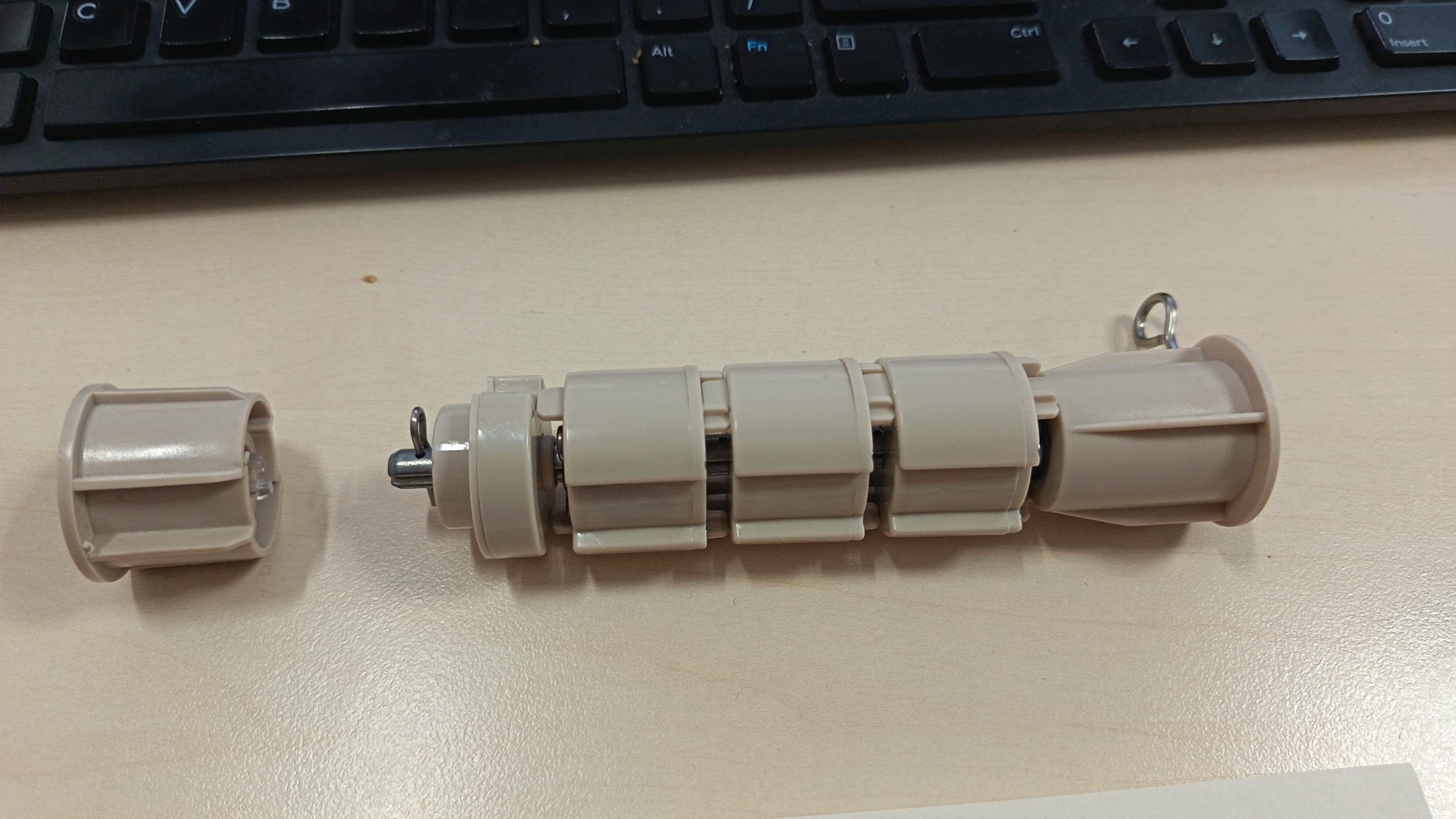
3. DOSRON’s Engineering Approach: Why a 28 mm Precision System Makes More Sense
3.1 Why 28 mm Is the Better Balance Point
If the diameter is pushed down toward 24 mm, the system may look attractive from a packaging perspective, but the structural risk increases significantly, especially in wider blinds.
If the diameter increases toward 32 mm or above, stiffness improves, but the system may no longer fit inside the limited housing dimensions common in train interiors.
That is why 28 mm is often the “engineering middle ground.” It offers better structural behavior than ultra-thin tubes, while still remaining compact enough for tight embedded or semi-hidden installations.
| Tube Diameter Option | Primary Advantage | Primary Risk |
|---|---|---|
| 24 mm | Maximum compactness | High deflection risk in wider zipper-guided blinds |
| 28 mm | Better balance of stiffness and installation space | Requires tighter material and design control |
| 32 mm+ | Higher structural rigidity | Harder to integrate into compact rail housings |
The value of a 28 mm system can be further improved by using high-strength aluminum or a reinforced cross-section design. With the right structural detailing, it is possible to increase bending resistance without significantly increasing outer diameter. That matters in rail applications, where stiffness and compactness have to coexist, whether they like each other or not.
3.2 High-Torque Constant Force Springs: The Real Power Behind Zipper Systems
In zipper-guided railway blind systems, the real performance difference does not come from the tube alone. It comes from how the internal mechanical force is calibrated.
Zipper systems naturally create more resistance than standard free-edge blind structures. There is more side contact, more guidance control, and more friction to overcome during movement. If the mechanism uses an underpowered or poorly matched spring, the result is predictable: sticky travel, unstable stopping, inconsistent lifting force, or poor user feel.
That is why high-torque constant force springs are so important in compact rail interior systems.
Their value is not just that they provide energy. Their real value is that they can be engineered to provide more stable torque output across the operating range.
By carefully calibrating spring torque against fabric weight, bottom bar mass, zipper resistance, roll buildup, and internal drag, the system can maintain smoother motion and better balance through the full stroke.
This is what allows a zipper-guided blind to feel controlled instead of forced.
3.3 Stop-at-Any-Position Is Not About Locking Harder. It Is About Matching Better.
Many buyers describe “stop-at-any-position” as if it were just a braking feature. Mechanically, that is only partly true.
A truly refined stop-at-any-position system is not achieved by brute friction alone. It is achieved by better force equilibrium.
If the spring output is too weak, the blind drifts downward. If the spring output is too strong, the blind rises by itself or feels too aggressive during release.
A well-engineered cordless zipper rail system must allow the user to move the blind easily, release it smoothly, and leave it stable at any point without obvious creep or rebound.
That kind of performance is especially valuable in premium railway applications because it affects perceived quality, passenger interaction, and long-term operating consistency. In other words, the hand feel is not decoration. It is engineering made visible.
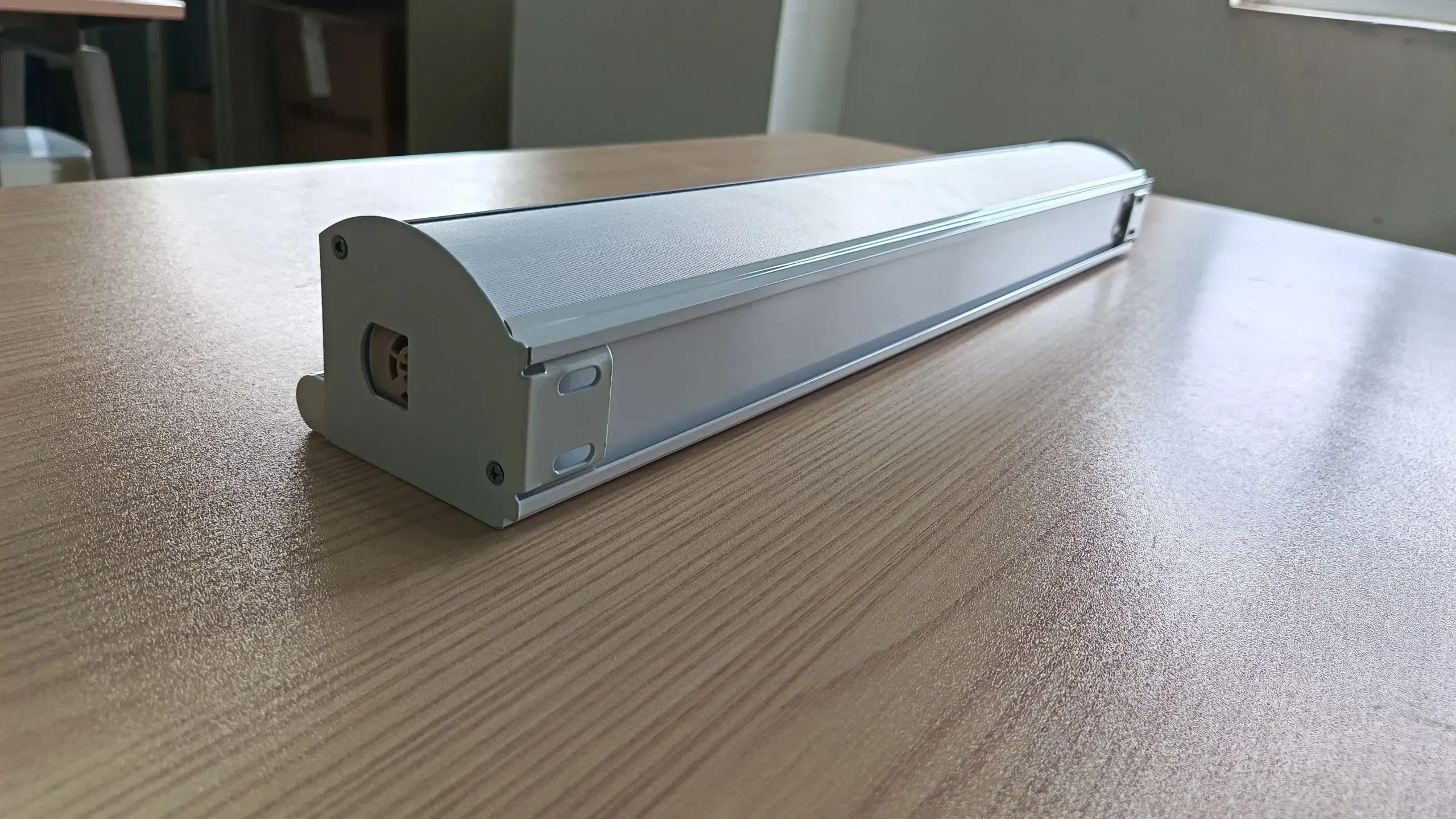
4. Safety and Compliance: Rail Interior Systems Cannot Be Evaluated by Function Alone
One major difference between railway blind systems and standard architectural shades is that rail products must satisfy both mechanical performance requirements and transport-sector safety expectations.
A blind system for train interiors cannot be judged only by whether it fits, rolls, and stops. It must also be evaluated in the context of fire safety, smoke behavior, toxicity, durability, and maintenance control.
That is why standards such as EN45545 matter in the early engineering phase. For rail interior projects, material and system decisions must be made with compliance boundaries in mind, not added later as an afterthought.
In this context, cordless zipper systems offer an important structural advantage. A simplified mechanical architecture usually means fewer exposed transmission elements, fewer long-term wear points, and fewer failure paths to manage over the product’s life.
No motor means one less powered failure source. No wire rope means one less fatigue-driven transmission path. Simpler systems are not automatically better, but in rail interiors, they usually have a head start.
5. Value for Tier 1 Suppliers: Why This Is More Than a Minor Upgrade
For Tier 1 suppliers, blind manufacturers, and rail interior bidders, choosing a shading mechanism is never just a matter of buying a part. It is a business decision tied to maintenance cost, proposal differentiation, packaging flexibility, and long-term reliability.
5.1 Lower Life-Cycle Maintenance Cost
In railway projects, the most expensive problem is rarely the initial component price. The real cost comes later through inspection, downtime, replacement work, and service complexity.
Traditional wire-rope systems often introduce multiple wear-sensitive points such as ropes, pulleys, routing interfaces, and tension-maintenance dependencies. A cordless zipper system reduces many of those service variables by simplifying the transmission path.
Less exposed mechanical routing usually means fewer maintenance interventions over time. For operators and system suppliers, that is not a side benefit. It is one of the strongest commercial arguments for moving away from legacy rope-based systems.
5.2 Stronger Bid Differentiation
Railway tenders are increasingly influenced by reliability, design integration, and long-term operating logic, not just by basic functionality.
A cleaner, hidden, low-maintenance cordless zipper system gives blind manufacturers and rail interior suppliers a more premium and technically differentiated offer.
In other words, the value is not only mechanical. It is strategic.
If two bidders can both provide a functioning blind, the one offering a cleaner architecture, lower service exposure, and more future-ready design language usually has the better story.
5.3 Better Installation Flexibility
Railway projects vary widely in trim geometry, mounting depth, side-channel design, and installation logic. Some applications require embedded installation. Others are better served by surface-mounted or semi-integrated solutions.
A mature 28 mm precision system that can adapt to both embedded and surface-mounted environments can significantly reduce integration difficulty during project development. That means faster technical alignment, less redesign pressure, and smoother system adoption.
| B2B Decision Factor | Value of a Cordless Zipper System |
|---|---|
| Maintenance Cost | Fewer exposed wear components and lower intervention frequency |
| Tender Differentiation | Supports a more premium, low-maintenance, integrated proposal |
| System Adaptability | Suitable for embedded and surface-mounted configurations |
| Long-Term Reliability | Simpler force path and better control of service risk |
6. From Component Supplier to Solution Engineer
The future competition in railway window covering systems will not be won by suppliers who can only provide a spring, a tube, or a guide profile in isolation.
It will be shaped by companies that understand the full mechanical system:
limited housing space, tube stiffness, zipper resistance, torque matching, stop behavior, durability, and installation flexibility.
That is where DOSRON positions itself.
We do not simply supply springs. We work on the mechanical power logic behind compact rail interior blind systems, including:
- roller tube diameter and stiffness matching,
- high-torque constant force spring calibration,
- resistance compensation in zipper-guided structures,
- integration into embedded or surface-mounted housing concepts,
- and long-term reliability under repeated railway use conditions.
In short, we do not just provide a component. We help develop a mechanical solution that is better aligned with the future of rail interiors.
FAQ
1. Why are traditional wire-rope systems becoming less suitable for rail interior blinds?
Because under vibration, repeated use, and compact installation conditions, wire-rope systems are more likely to suffer from tension drift, wear, visual clutter, and maintenance burden. They still work, but they no longer represent the cleanest long-term engineering solution.
2. Why do zipper-guided systems create more engineering difficulty?
Because zipper edges add thickness during roll-up, increasing the effective roll diameter, reducing usable internal space, and raising torque demand. The added edge guidance improves stability, but it also requires more precise structural and force matching.
3. Why is a 24 mm tube risky in wider applications?
Once the blind width exceeds around 1500 mm, a 24 mm tube is more vulnerable to mid-span deflection. That bending can disrupt zipper alignment and create friction spikes, unstable travel, or full jamming during operation.
4. What makes a 28 mm system more practical for railway projects?
A 28 mm tube often provides a better compromise between compact packaging and structural stiffness. It is more stable than ultra-thin options, but still compact enough for many rail interior housings where larger tubes are difficult to integrate.
5. What is the role of a high-torque constant force spring in a zipper system?
Its main role is to compensate for the extra resistance created by zipper guidance and changing roll diameter, while maintaining smoother and more stable force output throughout the blind’s movement.
6. How is stop-at-any-position achieved in a cordless railway blind?
It is achieved through better force matching, not just higher friction. When spring torque, fabric load, and internal resistance are properly balanced, the blind can move smoothly and remain stable at different positions without drifting or rebounding.
7. Why does EN45545 matter for railway blind system development?
Because railway interior materials and assemblies must meet fire, smoke, and toxicity requirements. In train projects, compliance is not an optional extra. It is part of the engineering boundary from the beginning.
Field Insight
Over the next three to five years, the real competitive edge in railway blind systems may no longer come from basic shading function alone.
It will come from who can engineer a more stable, lower-maintenance, and better-integrated mechanical system inside extremely limited space.
From that perspective, cordless + zipper-integrated is not just a design trend. It is a structural shift in the future logic of rail interior engineering.
Conclusion
Traditional wire-rope systems are not disappearing because they suddenly stopped working. They are being replaced because they are increasingly misaligned with the modern demands of rail interiors: compact packaging, lower maintenance, cleaner aesthetics, better reliability, and more refined user interaction.
By removing exposed transmission ropes, improving edge stability, and combining the mechanism with a properly engineered constant force spring system, cordless zipper systems offer a more future-ready path for railway blind design.
For rail blind manufacturers, Tier 1 suppliers, and interior integration teams, this is not a minor component substitution. It is a shift from traditional transmission thinking toward system-level force-balance engineering.
Call to Action
Working on a high-speed rail tender? Contact our engineering team for a customized technical evaluation.
If you are developing a railway or high-speed rail interior project, DOSRON can support you with tailored mechanical assessment, structural matching, and compact blind system engineering recommendations.