How to Choose Motorized Shutters for Your Home?
Quick Summary — For Homeowners & Project Planners
Motorized shutters give you precise light control, privacy, and security with one touch — or no touch at all when linked to your smart home.
But not all systems are built the same. This guide walks you step by step through how to choose the right
electric plantation shutters for your home: shutter type and material, motor & power options, control methods,
integration with smart platforms, safety, and long-term reliability. By the end, you’ll know what to ask your supplier,
where to invest, and how to avoid “pretty but problematic” systems that become a headache after installation.
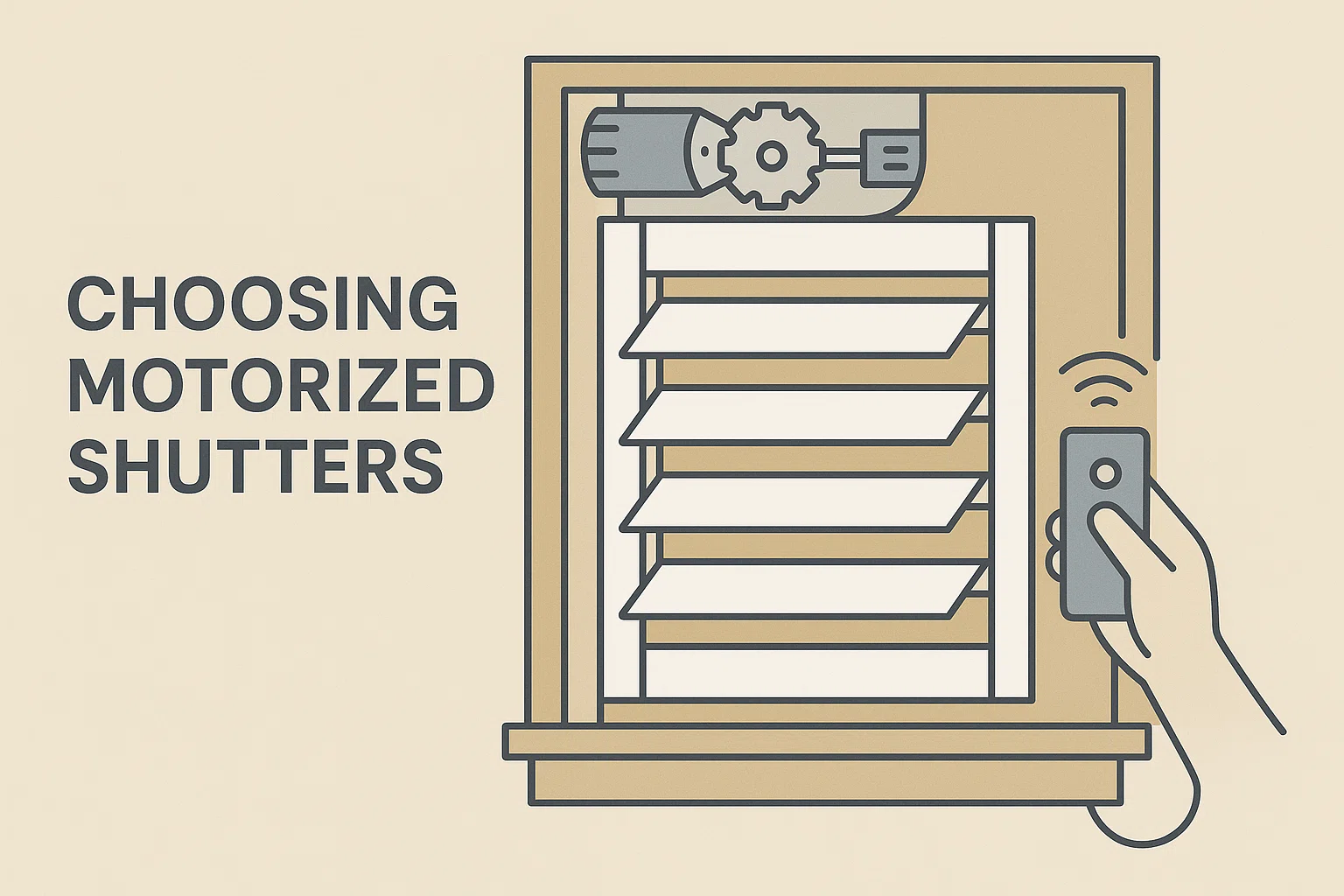
When you first see motorized shutters in action, it looks simple: louvers tilt open, panels move, light changes… all with a tap on a remote
or a voice command. Behind that smooth motion, however, is a compact system of motors, gears, and control electronics that must match your windows,
your lifestyle, and your home’s wiring reality.
Choosing well at the beginning means you get quiet, reliable shutters that behave the same on day 1 and year 10. Choosing poorly can mean
noisy motors, uneven tilting, weak batteries, or shutters that never fully “talk” to your smart home. Let’s break decision-making into
practical steps you can actually use with your installer or supplier.
 |
 |
1. Understand What Motorized Shutters Really Are
Most people think “motorized shutters” and imagine only a remote control. In reality, you’re choosing a small system:
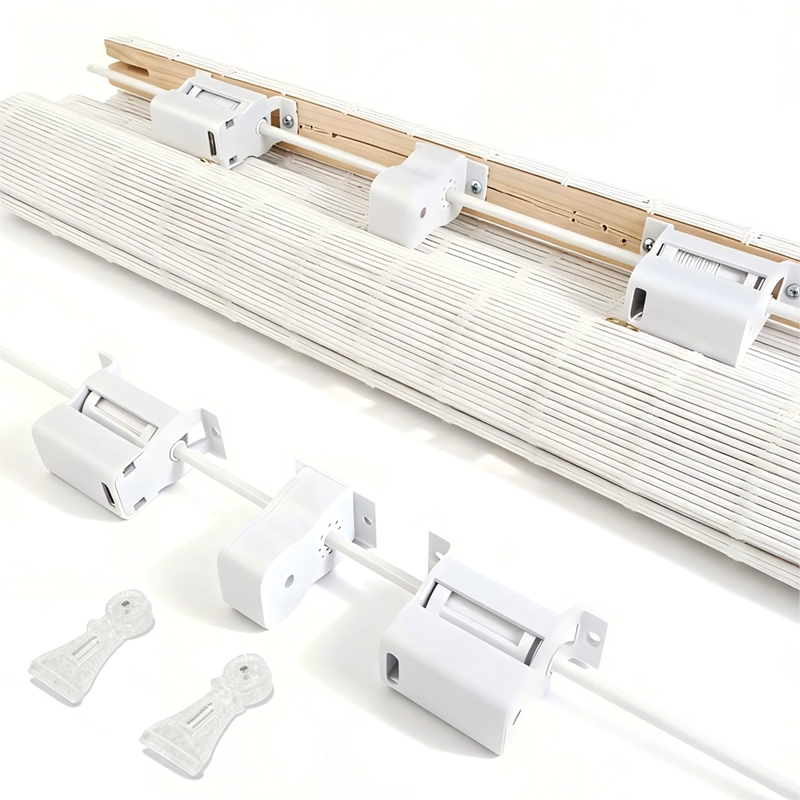
- Shutter structure: The panels and louvers (slats) — often called plantation shutters when the louvers are wide.
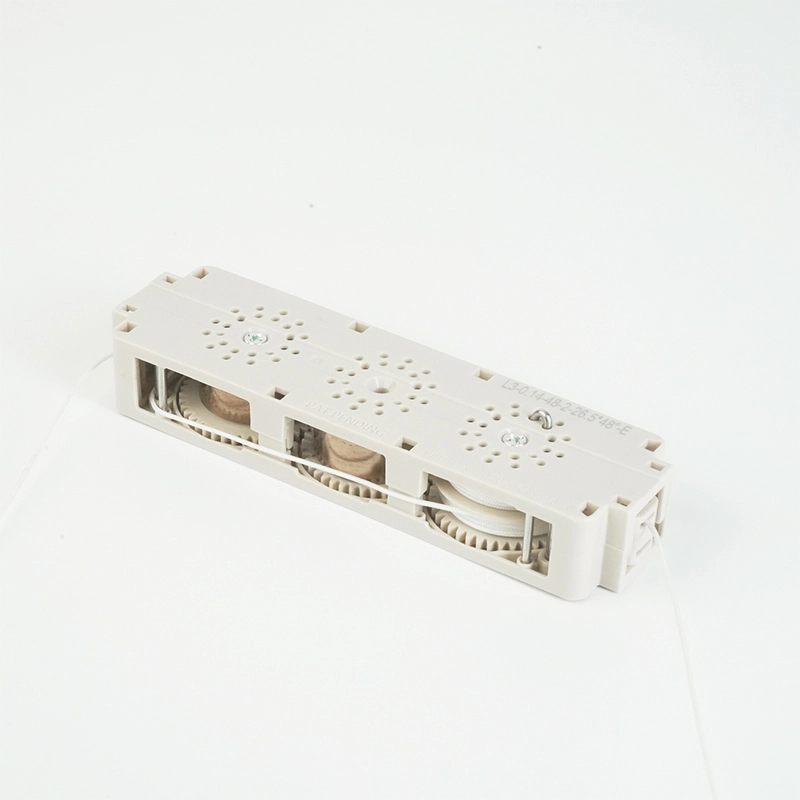
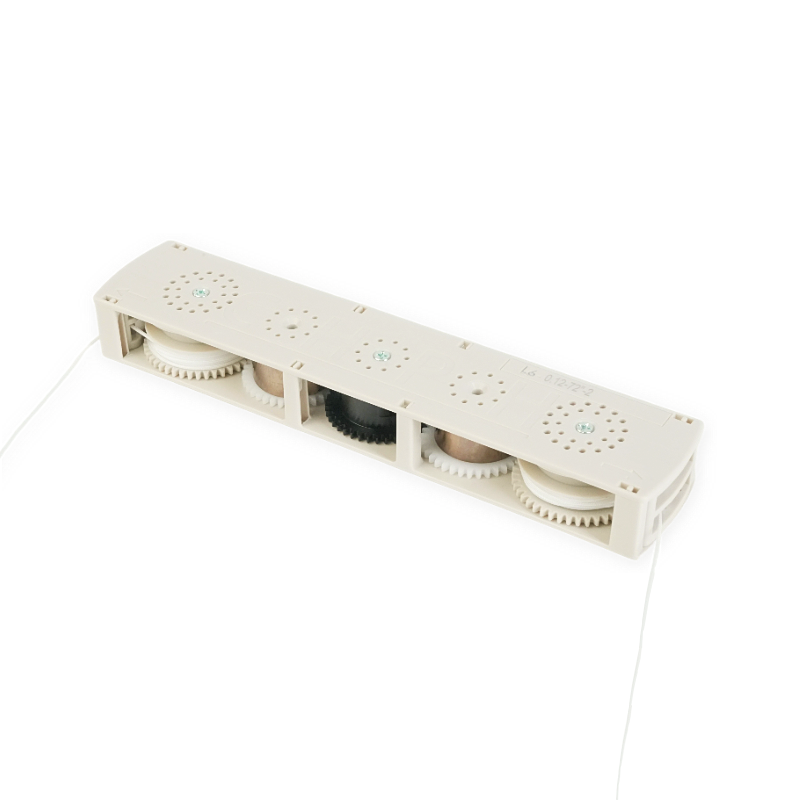
- Motor & gearbox: The drive unit that tilts louvers or moves panels.
- Power supply: Wired, plug-in, rechargeable battery, or solar-assisted battery.
- Control layer: Handheld remote, wall switch, phone app, or full smart home integration.
- Accessories & safety logic: Limit settings, torque protection, and sometimes spring-assisted mechanisms to keep movement smooth and controlled.
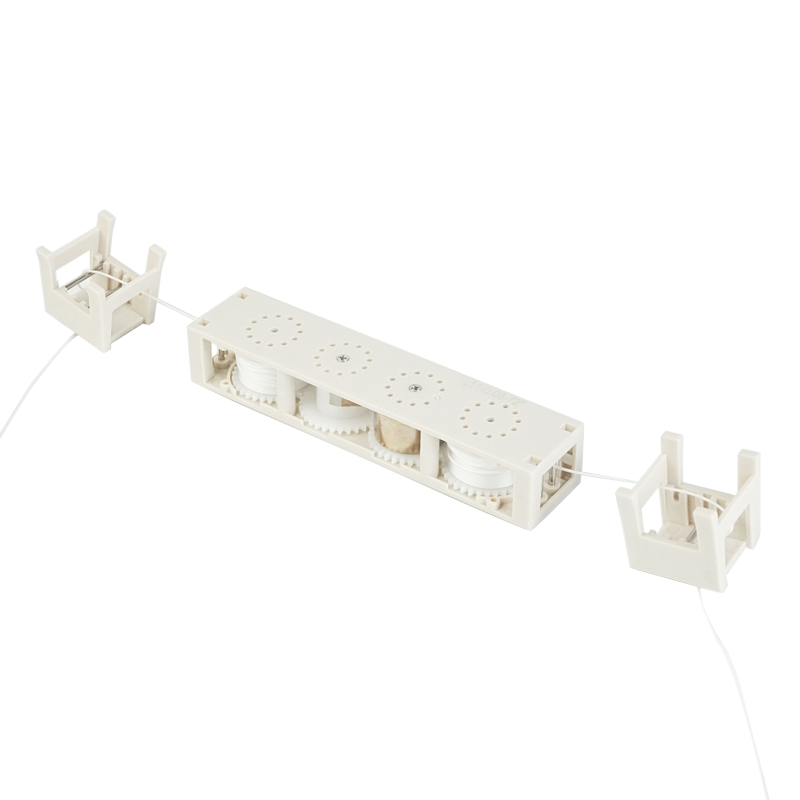
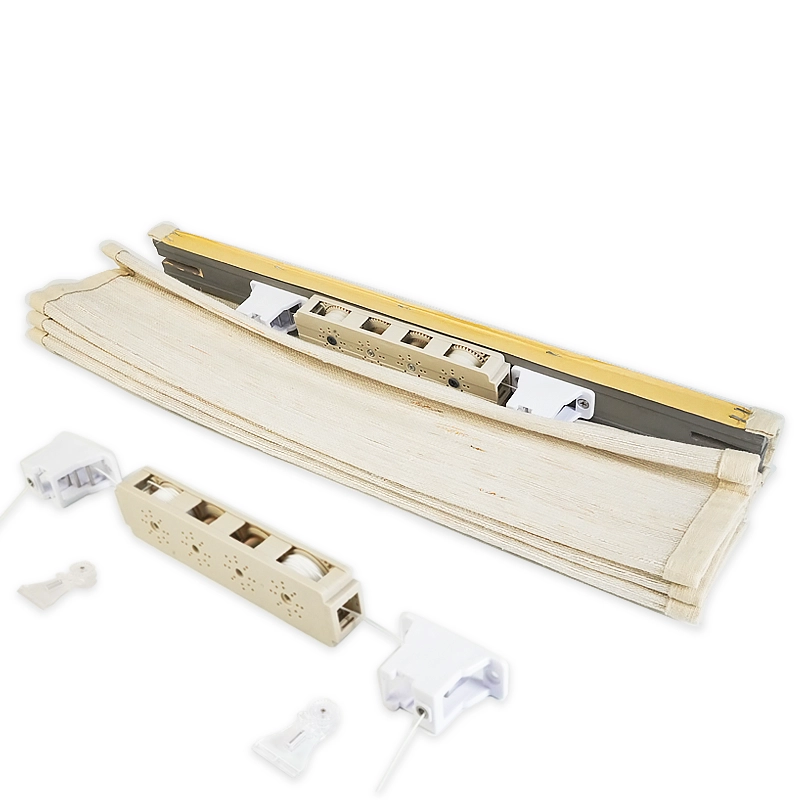
A good system is not just “strong enough to move the louvers.” It’s balanced, quiet, and predictable. That comes from careful matching between the
motorized louver accessories inside the shutter and the size, weight, and usage of each opening.
2. Start with Your Goals: What Do You Want These Shutters to Do?
Before diving into motor models and smart hubs, get clear on what “success” looks like for you. A few good questions to ask yourself:
2.1 Light & Glare Control
- Do you mainly want to soften daylight, or do you need rooms to go almost fully dark?
- Are there screens (TVs, monitors) that suffer from glare at certain times of day?
- Do you want shutters to react automatically to the sun position, or are manual scenes enough?
2.2 Privacy & Street-Facing Windows
- Do you have ground-floor windows where privacy is critical after dark?
- Would “privacy at a schedule” (for example, auto-close at sunset) make you feel more comfortable?
2.3 Comfort, Convenience & Accessibility
- Are there hard-to-reach windows (stairwells, over bathtubs, tall entryways)?
- Does anyone in the home benefit from push-button or voice control for accessibility?
- Do you want shutters to move with other systems — lights, HVAC scenes, security?
Write these answers down. They will drive choices on motor power, control type, and whether you stick with simple remotes or
go straight to smart home compatible electric plantation shutters.
3. Choose the Right Shutter Type & Material
Motorization doesn’t erase the basics: the wrong material in the wrong room will still warp, swell, or age badly — just more expensively.
3.1 Common Shutter Types for Motorization
- Interior plantation shutters: The most common. Wide louvers, framed panels, inside or outside mount.
- Café-style shutters: Only the lower portion is shuttered; upper glass is open or with another treatment.
- Full-height with mid-rail: Panels split visually so upper and lower louvers can be controlled separately.
All of these can be motorized, but panel size and configuration will affect motor selection and wiring layout.
3.2 Material Options
- PVC / composite shutters
Great for humid spaces like bathrooms and kitchens. Stable, low-maintenance, and well-matched to hidden motors and
spring-assisted tilt mechanisms. - Engineered wood / wood-core composite
Warmer aesthetics for living rooms and bedrooms. Needs good sealing and more careful humidity control. - Aluminum shutters
Often used in exterior or security applications. Heavier, so they demand stronger motors and carefully matched torque curves.

For most interiors, composite or PVC electric plantation shutters strike a good balance between stability, cost, and compatibility with modern
motor units.
4. Understand Your Motor & Power Options
The right motor and power strategy can make the difference between “set and forget” and constantly changing batteries.
4.1 Hardwired vs. Battery vs. Plug-in
- Hardwired low-voltage (DC) motors
Cleanest solution for new builds or major renovations. No visible wires or battery packs; power comes from a central supply or dedicated transformer. - Rechargeable battery motors
Ideal for retrofits. Simple installation, no electrician needed. Check expected cycle life (how many open/close/tilt cycles per charge) and
charging method (plug-in charger vs. removable battery). - Plug-in motors
Use a nearby outlet. Often seen as a compromise option but can leave visible wires unless carefully routed. - Solar-assisted battery systems
Small solar panels near the window keep rechargeable batteries topped up — especially useful on south-facing elevations.
Key Specification Snapshot for Motorized Shutters
| Parameter | Typical Spec Range* | What to Ask Your Supplier |
|---|---|---|
| Motor noise level | ≈ 35–45 dB | Is the motor quiet enough for bedrooms and nurseries? |
| Rated cycle life | 10,000–15,000 cycles | Is there a tested cycle rating for the motor and louver mechanism? |
| Max panel height (interior) | up to 2,000–2,400 mm | What are the recommended max panel size and weight per motor model? |
| Max panel width (per leaf) | 600–900 mm | Will wide panels need extra supports or paired motors? |
| Battery run time | ≈ 3–12 months per charge (@ a few moves per day) |
How often will I realistically need to recharge in my use case? |
| Supply voltage (wired DC) | 12–24 V DC | Is the system low-voltage and compliant with local electrical codes? |
| Operating temperature | 0–40 °C (typical interiors) | Is the motor rated for my climate and window orientation? |
| Smart home compatibility | 1–3 main platforms (e.g. Alexa / Google / Apple) |
Which hubs and apps are officially supported and certified? |
*Values above are typical example ranges for interior motorized shutters. Always confirm exact specifications with your chosen brand or installer.
4.2 Noise, Speed & Torque (The “Feel” of the Shutter)
Three technical points matter for everyday comfort:
- Noise level: Look for motors rated around 35–45 dB for interior shutters — a quiet hum rather than a buzz.
- Speed: Very fast movement can feel harsh; slightly slower, controlled tilt often feels more premium.
- Torque & balancing: For larger or heavier shutters, torque should be matched with internal balancing (springs or counterweights) so the system is not “fighting itself.”
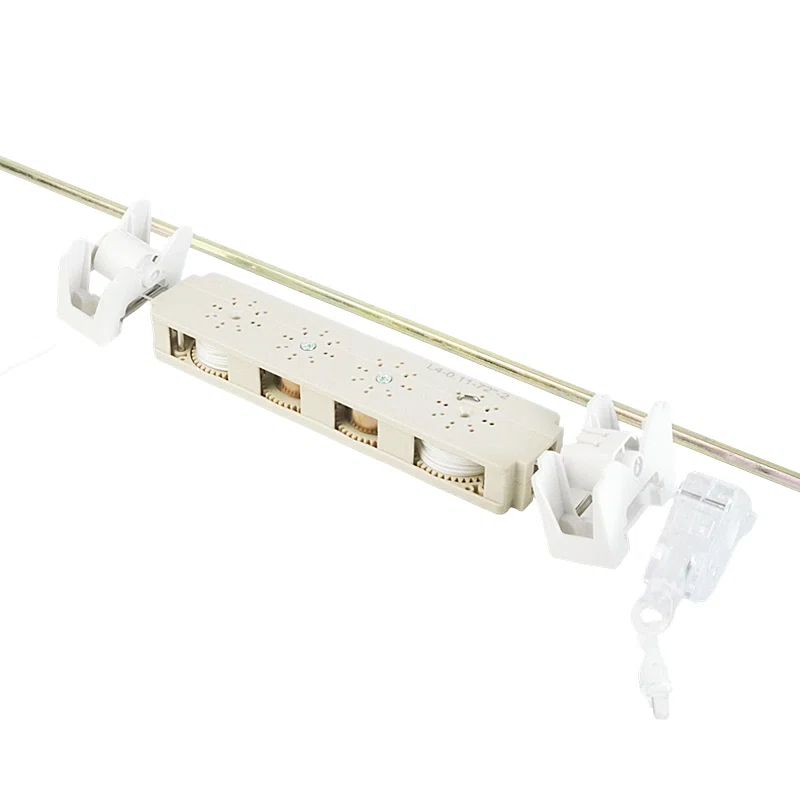
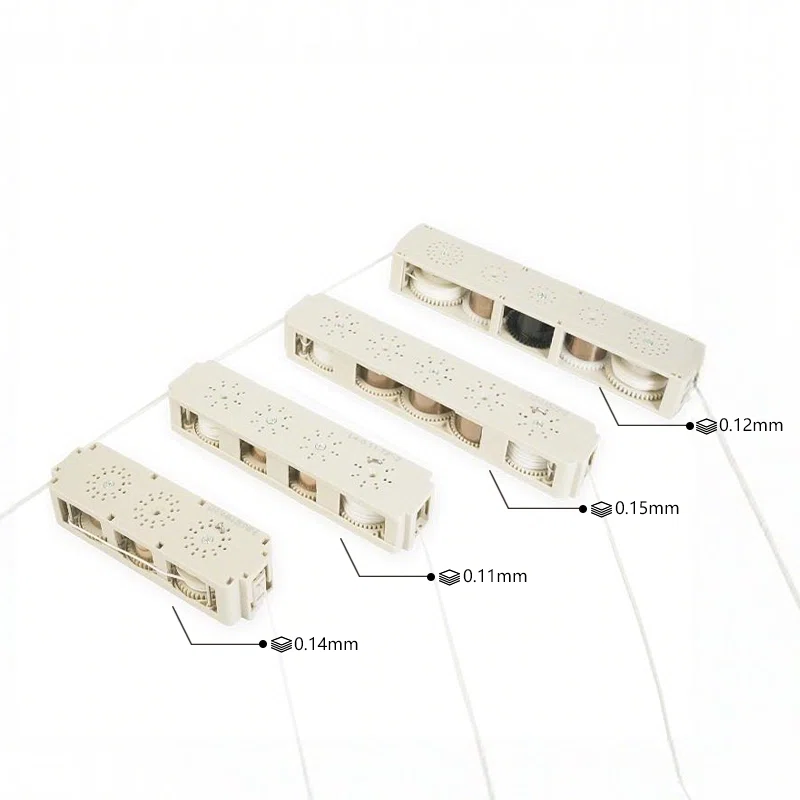
Many higher-end systems use a combination of compact motors and spring systems in the background to keep motion smooth, quiet, and consistent.
5. Decide How You Want to Control Your Motorized Shutters
Choosing control options is where technology meets daily life. Overcomplicate this, and people stop using the features you paid for.
5.1 Basic Controls
- Handheld remotes: Simple, reliable. Good for guest rooms or single spaces.
- Wall-mounted keypads/switches: Harder to misplace than remotes and very intuitive for visitors.
5.2 Smart Home Integration
If you’re already using platforms like Alexa, Google Home, Apple Home, or a dedicated hub, look for:
- Certified compatibility with your preferred ecosystem.
- Scene and schedule support (e.g., “Good Night” closes all bedroom shutters and dims lights).
- Group control so multiple windows in one room move together.
This is where smart home compatible electric plantation shutters shine: one logic layer can coordinate shutters, blinds, lights, and HVAC.
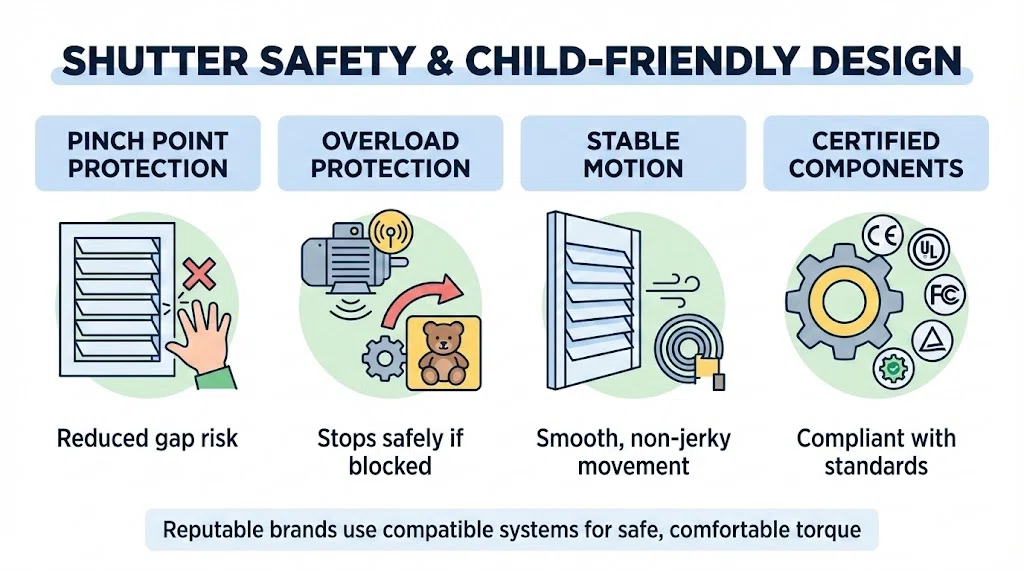
6. Safety, Reliability & Child-Friendly Design
Shutters already remove long dangling cords, which is a big win for child safety. But there are still details to check:
- Pinch points: Ask how the design reduces the risk of fingers being caught when louvers move.
- Overload protection: Quality motorized systems stop or slip safely if something blocks motion.
- Stable motion: Internal springs and brakes should prevent “jerky” movement or sudden snaps.
- Certified components: Look for compliance with relevant electrical and safety standards in your region.
Behind many reputable brands are factories that design compatible motorized louver accessories and spring systems specifically to keep motion within a safe, comfortable torque window rather than pushing motors to their limits.
7. Measuring, Installation & Window Types
Even the best hardware will underperform if the basics — measurements and mounting — are wrong.
- Recess depth: Ensure there’s enough space for shutter frames plus motor housing.
- Obstacles: Check handles, cranks, trim, or tiles that might conflict with panels.
- Special window shapes: Arched, angled, or bay windows may need custom frames and tailored motor layouts.
- Doors & high-traffic areas: For French doors and patio doors, think about swing direction and clearance.
Professional installation is strongly recommended for powered products. The installer should set limits, test safety functions, and walk you through basic resets and daily operation.
8. Room-by-Room Ideas for Motorized Shutters
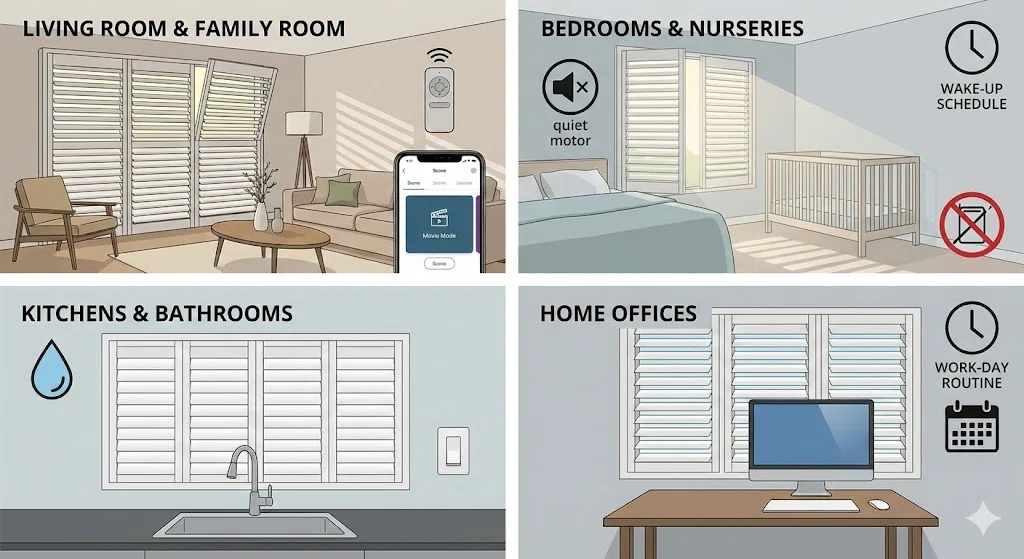
8.1 Living Room & Family Room
- Wide louvers for view when open, privacy when tilted.
- Group control so all front-facing windows tilt together to cut glare.
- Scenes tied to movie mode or “evening chill” lighting.
8.2 Bedrooms & Nurseries
- Focus on quiet motors and gentle motion.
- Schedules for wake-up and sleep — shutters can open slightly at wake time instead of a loud alarm.
- No exposed cords; consider additional blackout liners if you need a very dark room.
8.3 Kitchens & Bathrooms
- Choose moisture-resistant materials (PVC or composite).
- Battery or low-voltage wiring planned away from direct water exposure.
- Simple wall switch or app control for hard-to-reach windows above counters or tubs.
8.4 Home Offices
- Fine control over louver angle to avoid screen glare while keeping natural light.
- Integration with work-day routines: shutters open at the start of your work block and close at the end.
8.5 Large Openings & Combined Systems
For very large spans, some projects combine motorized shutters with motorized blinds or shades behind them — shutters handle aesthetics and daytime privacy; shades handle blackout or solar gain.
This is where using compatible motorized louver systems and roller shade motors from the same component family keeps integration clean.
9. Budgeting: Where to Spend and Where to Save
Motorized shutters are a premium solution, so it makes sense to be deliberate about upgrades:
- Spend more on: High-use rooms (family room, main bedroom), complex window shapes, and windows that are very hard to reach manually.
- Keep it simpler on: Guest rooms or low-use spaces where manual shutters may be enough.
- Think long-term: Better motors, proven spring-assisted mechanisms, and robust accessories often pay back in fewer service calls and smoother behavior over 10–15 years.
10. Working with a Specialist or OEM-Backed Brand
When you talk to a shutter company, you’re usually not talking directly to the factory that designs motors and spring systems behind the product.
That’s fine — as long as the brand can answer a few simple questions:
- Which motor platform do you use, and how long has it been in the field?
- Are the motorized louver accessories and hinges tested to a defined cycle life (for example, 10,000+ operations)?
- Do you have a clear service path if a motor fails out of warranty?
- Can your system integrate with the smart home platform I’m already using?
Brands that work closely with engineering-focused suppliers — the people designing the compatible motorized louver accessories and spring systems —
usually have better answers, better documentation, and fewer surprises after installation.
FAQ: Choosing Motorized Shutters for Your Home
1. Are motorized shutters worth it compared with manual shutters?
For hard-to-reach windows, large openings, or homes that already use smart controls, yes — the combination of convenience, comfort,
and better daily use often justifies the extra cost. In simple, low-use rooms, manual shutters can still be the right choice.
2. Can I motorize my existing shutters, or do I need to replace them?
In some cases, existing plantation shutters can be retrofitted with motorized louver kits, especially if they are solid and not too old.
However, many retrofits are limited by internal space or panel construction. A site visit is usually needed to confirm whether a retrofit kit is possible
or a new, purpose-built motorized shutter is a better long-term solution.
3. How long do batteries last in motorized shutters?
It depends on louver size, motor type, and how often you move them. As a rough guide, good rechargeable battery systems can last several months to a year
under normal use (a few operations per day). South-facing or frequently used windows may need more frequent charging unless supported by a solar panel.
4. Are motorized shutters noisy?
Quality motors are designed to run in the 35–45 dB range — noticeable, but not disruptive. If you are very sensitive to noise
(nurseries, bedrooms), ask for a demonstration and specifically request quiet-rated motors and well-balanced internal mechanisms.
5. Will my shutters still work during a power outage?
Battery-powered shutters continue to operate normally until their stored charge runs out. Hardwired shutters can’t move when power is off,
unless they are part of a hybrid system with an internal battery or manual override. If power resilience is important to you, ask directly about this point.
6. How much maintenance do motorized shutters need?
Day-to-day, very little: occasional dusting, periodic checking that panels are not obstructed, and charging batteries when needed.
Over the long term, a good system should run for many years without motor replacement. Annual or biannual checks by your installer are helpful
for large projects, especially in commercial or high-traffic spaces.
7. Are motorized shutters safe for children and pets?
Yes, provided they are designed and installed correctly. There are no lift cords to tangle, and good systems include overload protection
to stop motion if something blocks the louvers. If you have very young children, ask your installer to show you how the safety logic works in practice.
Field Insight — From Engineering Lab to Your Living Room
Motorized shutters feel simple on the wall because the complexity has been pushed inside: compact motors, carefully tuned spring systems,
and control electronics all working in a narrow safety and comfort window. When those pieces are coordinated, you get the quiet, confident
motion that homeowners describe as “just works.”
Before you sign off on a project, double-check these points with your supplier:
- Balance: Are motor torque and internal springs matched to shutter size and weight, not just “strong enough” on paper?
- Silence: Has the system been tested for noise, not only lab torque? Ask to hear a live demo, not just see a brochure.
- Lifetime: Is there a declared test target (for example, 10,000–15,000 cycles) for the motor and louver mechanism?
- Integration: Can the shutters join scenes and schedules on your preferred smart home platform without complicated workarounds?
- Service path: If a motor fails in year 7, who supplies the replacement — and how easy is it to swap?
Ask these questions once, and you dramatically reduce the risk of paying for “high-tech shutters” that age like low-tech products.
You’re not just choosing a look — you’re choosing a small, long-lived machine that opens and closes your view every day.