Quick Summary — For Busy Parents
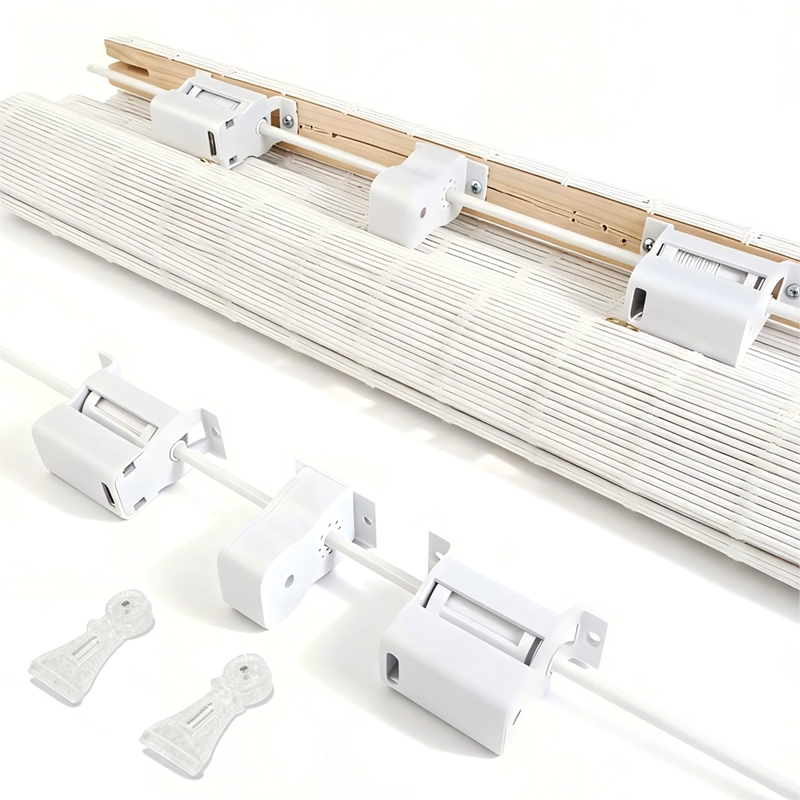
Cordless Blinds remove hanging cords and loops from the window area, eliminating one of the most overlooked risks in children safety at home. This article explains three “lines of protection”: understanding why cordless designs matter,reshaping the space around windows, and turning safety checks into gentle family habits. Ten minutes of re-thinking your windows today can prevent silent dangers tomorrow.
First Line of Protection: Why Cordless Blinds Are the Core of Children Safety
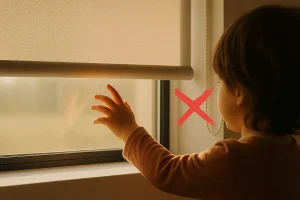
a child’s head or neck can become entangled, and panic will make self-rescue almost impossible.
How Cordless Blinds Remove the Root Cause of Risk
Why are Cordless Blinds considered a fundamental solution? Because they eliminate the risk
at the level of physical design, not just at the level of “telling children to be careful.”
It’s like installing a secure balcony rail instead of repeatedly saying, “Don’t lean over.” Cordless Blinds use push-up, pull-down, wand
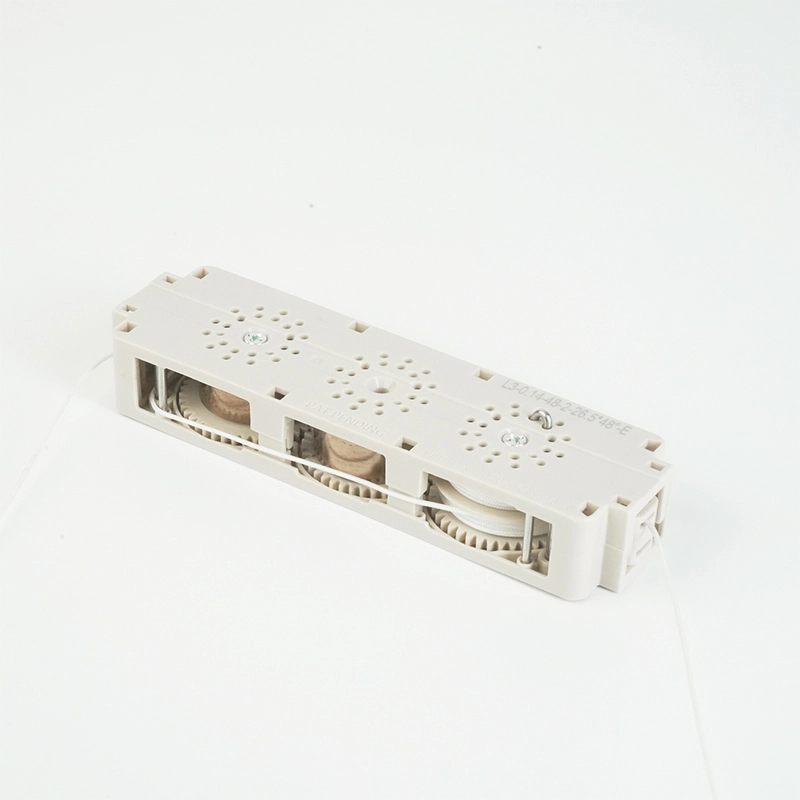
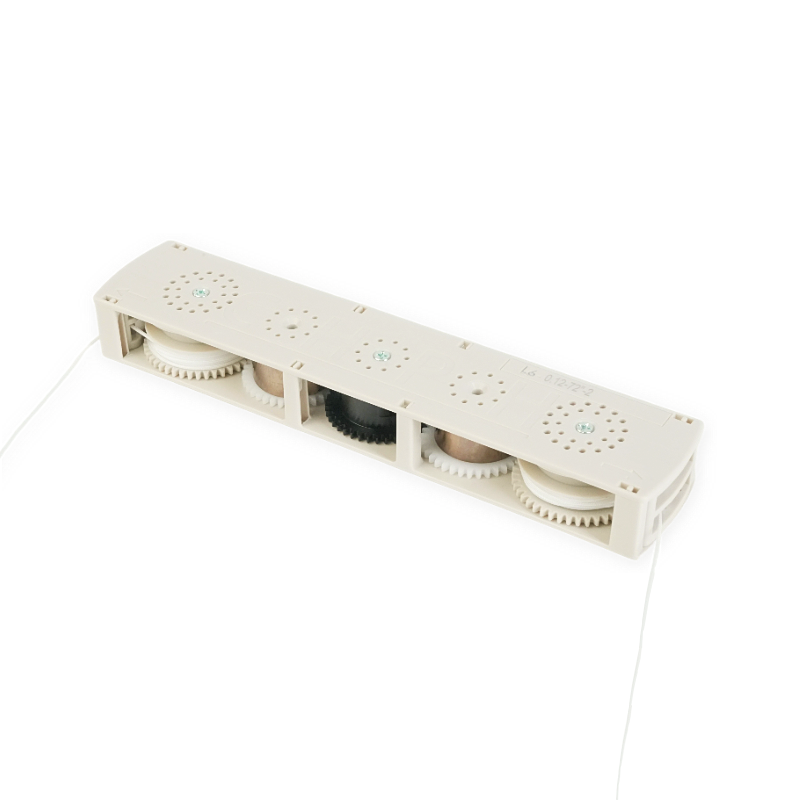
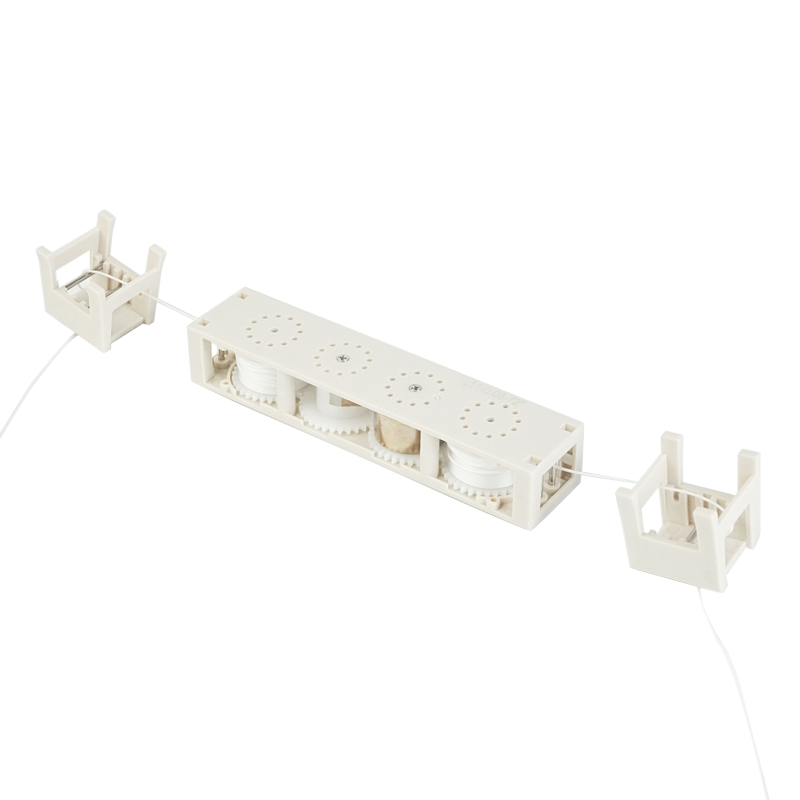
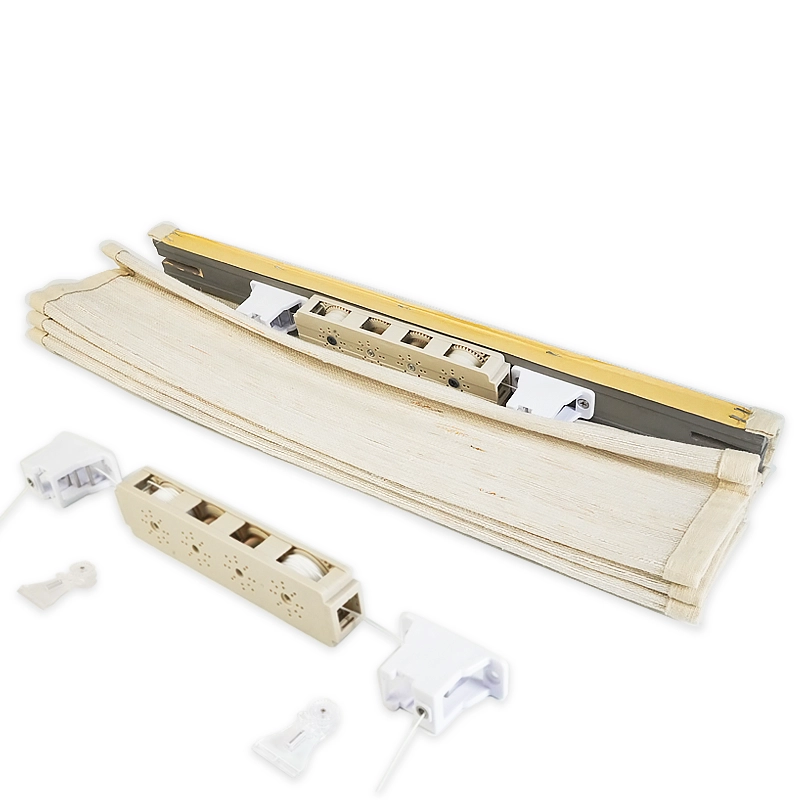
control, or gentle touch mechanisms hidden inside the headrail. There are no accessible dangling cords for a child to grab.
This is more than a product upgrade. It is a design philosophy:
- Remove the hazard instead of managing it.
- Reduce parents’ constant anxiety.
- Give children more freedom to explore near the window without invisible traps.
To help you see your home with “safety engineer eyes,” here is a simplified overview of common window-area risks based on public safety
reports and how Cordless Blinds fit into the solution.
Key Window Safety Risk Points at Home
| Safety Risk Point | Risk Description | Injury Data Reference (Public Reports) | Core Solution |
|---|---|---|---|
| Traditional blind cords & chains | Form loops that can wrap around a child’s neck; main cause of cord strangulation accidents. | In reported window-cord related incidents, this design accounts for the vast majority. | Replace with Cordless Blinds wherever possible. |
| Furniture placed close to the window | Cribs, sofas, chairs become “ladders” that help children climb up to the window. | Many child falls from windows involve climbable furniture placed directly below. | Move furniture at least 1 m away from windows. |
| Unstable curtain rods / tracks | Children may pull or climb; the entire set can fall and cause head or body injuries. | Falling curtain hardware is a common cause of home impact injuries. | Use proper brackets and fix into studs or other solid structure. |
| Old or damaged cord tensioners / clips | Aged or broken safety devices let cords hang loose again, greatly increasing risk. | Safety components on old blinds often age silently and are easily overlooked. | Replace with Cordless Blinds or new safety devices; never ignore damage. |
Second Line of Protection: Building a Safer Space Around Cordless Blinds
Maybe your home has not fully switched to Cordless Blinds yet. Maybe some windows still use traditional systems for cost
or renovation reasons. Don’t panic. You can still create a strong second line of protection right now.
1. Immediate Action: Secure Every Cord Out of Reach
If you still have corded blinds:
- Use the safety devices supplied with the product or buy dedicated cord cleats and cord clips.
- Fix all cords at least 1.5 m above the floor, completely out of a child’s reach.
- Always anchor cords to the wall — simply looping them or tying a knot is not enough.
- Turn “finishing the blinds” into a habit: after every operation, check that cords are properly secured again.
This doesn’t replace Cordless Blinds, but it buys you time until you can upgrade.
2. Reset the Environment: Create an “Out of Reach” Safety Zone
Children safety is not only about products; it is also about space planning.
Take a slow look at each window your child can approach:
- Is there a crib, toddler bed, sofa, bench, toy chest, or desk directly under the window?
- Can the child climb onto the furniture and reach the window sill or cords?
If the answer is “yes,” adjust the layout:
- Move climbable furniture at least 1 meter away from the window.
- Avoid placing the “favorite playing area” directly beside a low window.
- In nurseries and kids’ rooms, treat the window area as a functional zone that must be kept clean and minimal,
especially before you switch to Cordless Blinds.
This adjustment may look small, but it quietly rewrites the rules of how your child interacts with the window — and drastically reduces
risks that never make the news because they never happen.
Third Line of Protection: Turning Cordless Blinds into a Daily Safety Habit
True safety is not just about what you buy, but about how you live with it. Choosing
Cordless Blinds is the starting point; building habits around them is what locks in long-term children safety.
1. Parents as Daily Role Models
Even if your blinds are already cordless, treating the window as a “checked zone” sends a strong signal:
- After opening or closing any window covering, pause for two seconds and ask:
- Is the blind moving smoothly?
- Is anything hanging loose or broken?
- Is there new furniture your child can climb on to reach the window?
- Your quiet, consistent seriousness about safety is the strongest education your child receives — far more powerful
than a one-time “don’t touch that” reminder.
2. Ongoing Attention: Safety Is a Dynamic Process
Mechanical parts age. Children grow taller. Furniture moves around. That means safety must be
re-evaluated regularly, especially around Cordless Blinds:
- Monthly:
- Check that cordless mechanisms still move smoothly and stop where you want.
- Confirm brackets, headrails, and tracks are still firmly attached to the wall or ceiling.
- Seasonally (when you deep clean):
- Re-evaluate room layout; make sure no new “climbing routes” to the window have appeared.
- Inspect any remaining corded products in secondary rooms or older spaces and prioritize upgrading them to Cordless Blinds.
Treat this like brushing teeth: a small, gentle routine that quietly removes long-term risks.
Conclusion: The Deepest Love Is Foresight and Protection
 |
 |
Choosing Cordless Blinds is not just a purchase decision; it is a deliberate act of love.
This love means:
- We are willing to see the invisible dangers before they hurt our children.
- We are willing to change our environment, not just correct our children’s behavior.
- We are willing to let safety quietly integrate into everyday life — into layouts, hardware choices, and tiny monthly checks.
The window is where light enters your home and where your child learns to look out at the world. Today, give yourself ten quiet minutes:
- Walk through your rooms,
- Check every window,
- Ask: If my child plays here alone for five minutes, is this area truly safe?
One gentle inspection, one decision to move toward Cordless Blinds, and one ongoing habit of checking — together, they
become a silent shield that stands between your child and the accidents that never need to happen.
This article provides general safety information only and does not constitute professional safety advice. Every home
environment is different. Please evaluate your own conditions carefully, adopt the strictest safety measures you can, and consult
qualified professionals when in doubt.
Field Insight: From Cordless Blinds at Home to Wider Children Safety
As more families adopt Cordless Blinds for children safety, the conversation naturally moves from “my window” to
our shared environments. Small, consistent decisions in different spaces gradually reshape the world our children grow up in.
- Think beyond your own home
Pay attention to window coverings in grandparents’ houses, daycare centers, and play spaces your child often visits. Where possible,
suggest upgrading old corded products or at least securing cords out of reach. - Ask safety questions when booking spaces
When choosing hotels, rentals, or long-stay apartments, don’t hesitate to ask:
“Do the rooms use Cordless Blinds or covered window systems?” - Influence purchasing decisions in your circle
If friends or relatives are renovating, gently remind them to consider Cordless Blinds from the start rather than “fixing safety later.” - Pay attention to evolving standards
Many markets are tightening safety requirements around window coverings. Staying informed helps you choose solutions that remain safe
and compliant for years, not just months. - View blinds as part of a whole safety system
Window coverings, furniture layout, window locks, and balcony design all interact. The more you see them as one system, the easier it
becomes to design a home where children safety is built in — not patched on.
Tiny, consistent choices — at home and in the wider spaces your child visits — are how a quiet idea like Cordless Blinds slowly reshapes
the real world your child grows up in.