Why CPSC 16 CFR 1260 Makes Cordless Design Mandatory for Window Coverings
Quick Summary
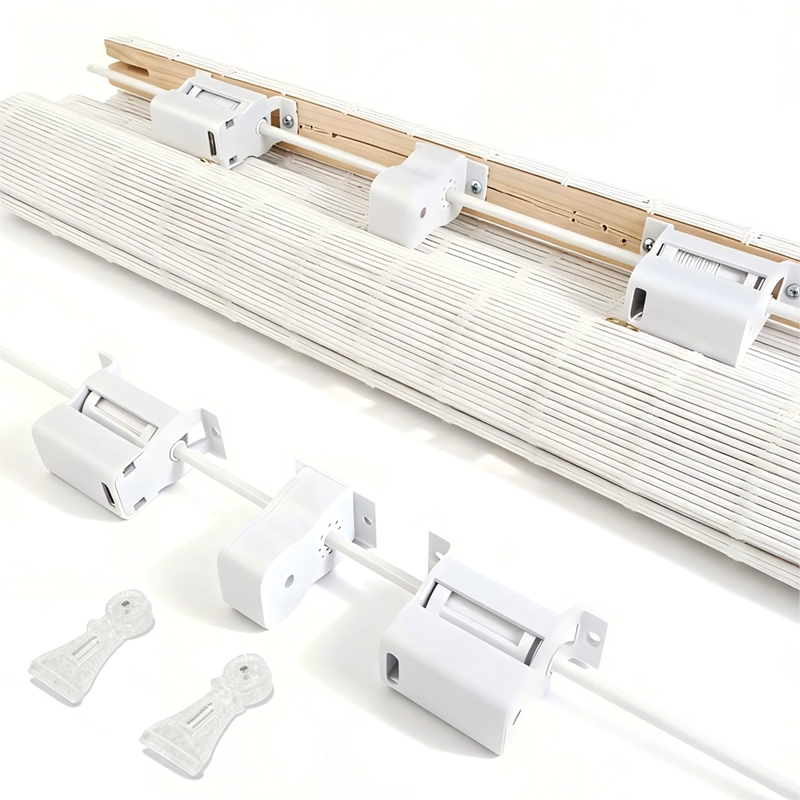
CPSC 16 CFR Part 1260 is a mandatory federal rule that effectively ends the lifecycle of corded “stock” window coverings in the U.S. For manufacturers, the fastest, lowest-risk path to compliance is an integrated cordless system with proven cycle life, noise stability (≤40 dB), and durability. This brief outlines the engineering and operational decisions required to transition at speed and scale.
1) From “Industry Trend” to Mandatory Compliance
For years, child safety was handled via voluntary standards. With 16 CFR 1260, the U.S. now enforces a unified baseline that makes cordless operation the most practical route to compliance. The strategic question is no longer “if” you should go cordless, but how to achieve a 100% compliant product line—fast, repeatably, and with measurable performance stability.
2) What Is CPSC 16 CFR 1260?
- Scope of Impact: Covers the vast majority of window coverings sold in the U.S. “Stock” products are functionally required to be cordless.
- Mandatory Nature: This is federal law (not voluntary). Non-compliance risks include recalls, civil penalties, and market access denial.
- Cordless Benchmark: Corded mechanisms face strict performance construction limits; cordless becomes the efficient engineering path to compliance.
- Key Dates: The rule is in effect. (Update internal ERP/SOP with your legal team for exact enforcement and inventory deadlines.)
3) Direct Impacts on Manufacturers
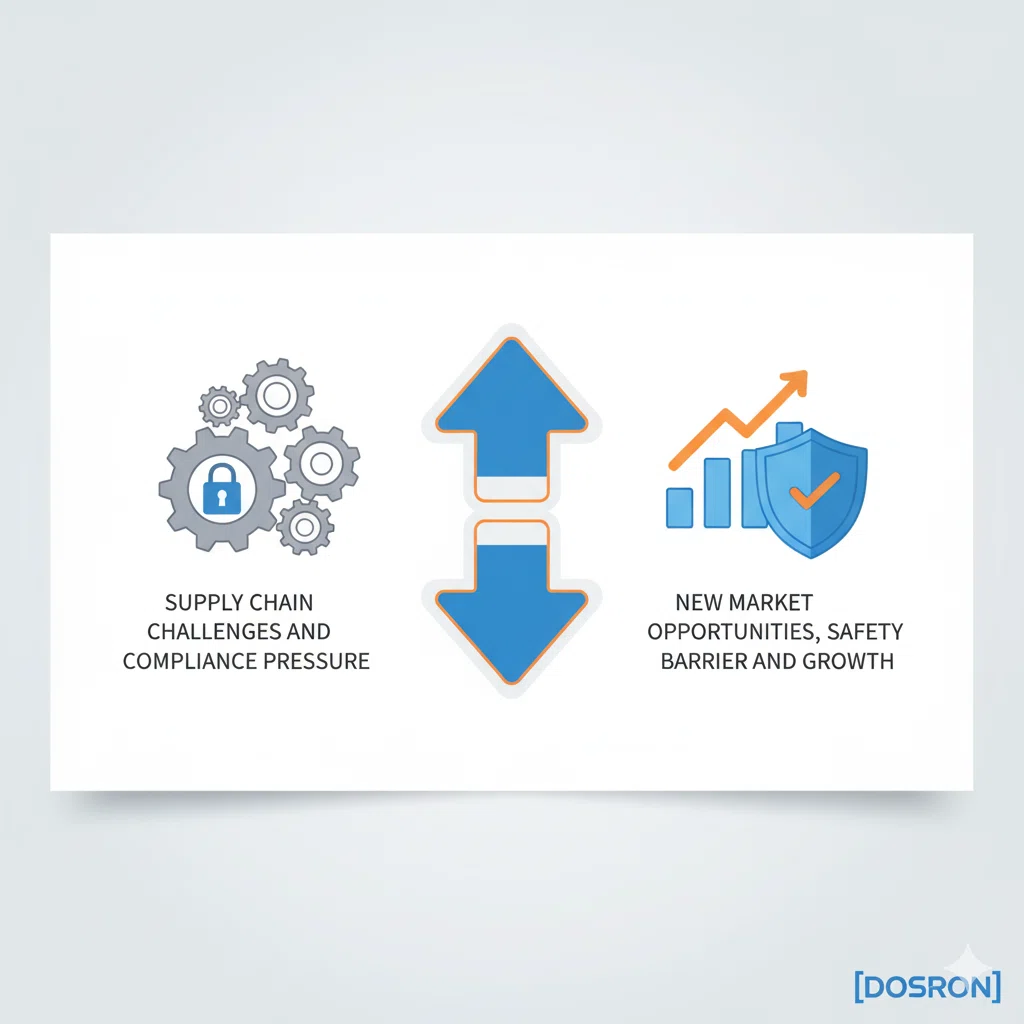
Delay = lost share, stranded inventory, compliance exposure.
Obsolete corded SKUs; qualify cordless suppliers & CoC.
Validate cycle life, stall/thermal protection, ≤40 dB noise.
Refit SOPs, build fixtures, train for cordless assembly & QA.
Compliance is not a single test—it’s a repeatable process across supply chain, assembly, documentation, and after-sales support.
4) Why Integrated Systems Beat Patchwork Components
Patchwork risks: tolerance mismatch, positional creep, jamming, noise instability, and extended 6–12 month debug cycles.
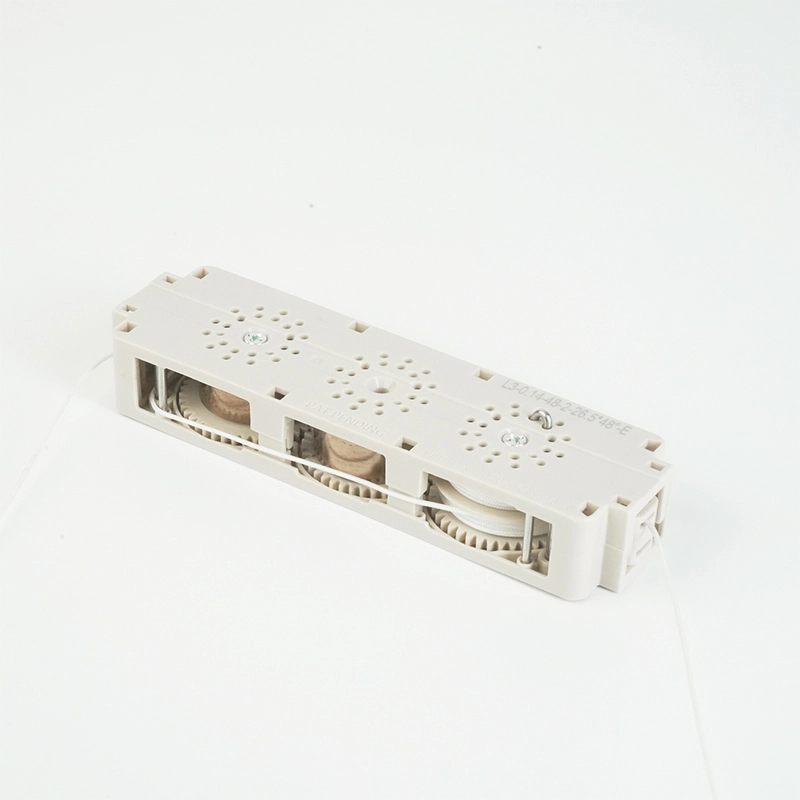
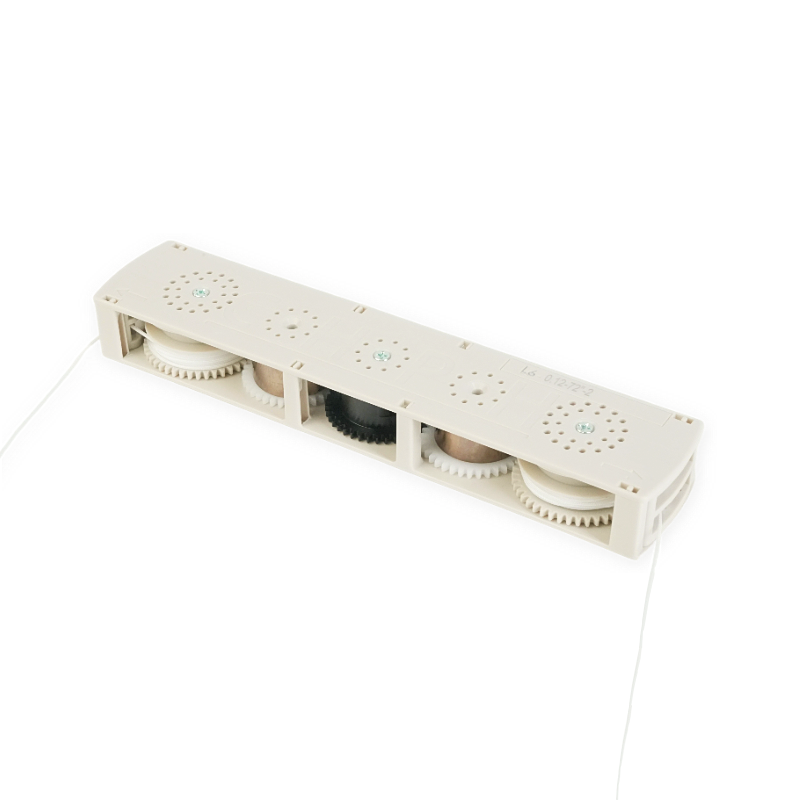
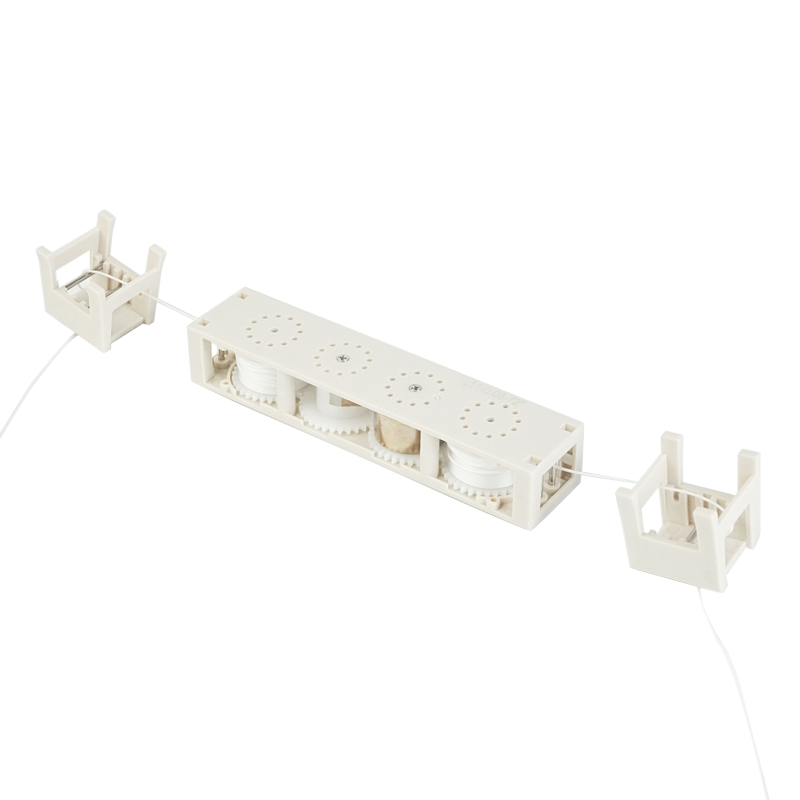
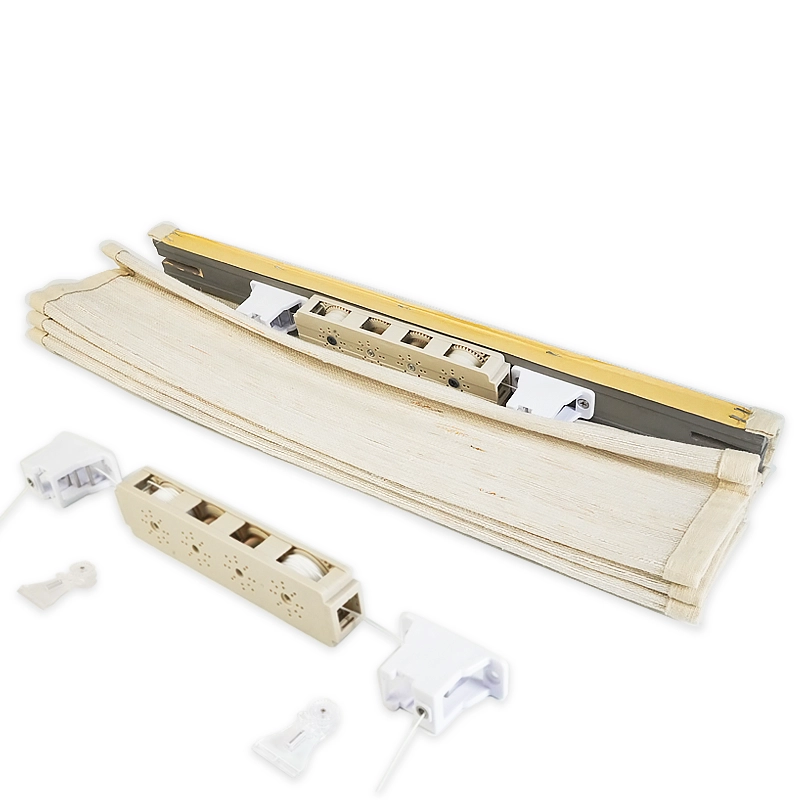
Integrated cordless systems: factory-tuned mechanics, predictable ≤40 dB, validated cycle life, faster 4–8 week ramp.
5) How Cordless Will Define Next-Generation Standards
5.1 From Price Wars to Value Wars
A mandatory baseline cleans the market and shifts competition to system performance, durability, and user experience.
5.2 Performance & Experience Become the Battlefield
- Smoother pull / linear motion with no jamming.
- Precise braking with no positional creep or bounce.
- Install simplicity with modular, error-proof design.
- Fatigue-resistant spring systems with low torque decay.
This is where a specialized system provider adds true value—beyond basic compliance.
6) Transition Plan & Timeline
| Workstream | Actions | Owner |
| Portfolio & Inventory | Freeze corded SKUs; quarantine non-compliant stock; create retrofit/obsolescence plan. | PMO + Ops |
| Engineering | Qualify integrated cordless system; run cycle/thermal/stall tests; noise ≤40 dB. | R&D + QA |
| Supply Chain | Secure capacity; vendor CoC/test packs; PPAP-like approval for critical parts. | Procurement |
| Manufacturing | Update jigs/fixtures; SOP & WI; technician training; first-article validation. | Manufacturing Eng. |
| Compliance Docs | Create record set: test reports, Certificate of Compliance, labeling, traceability. | Regulatory |
7) FAQ (Technical & Compliance)
Q1. What is the compliance basis for an integrated cordless system?
Durability cycle testing, construction limits, and safety validation that map to 16 CFR 1260 mandatory clauses, supported by third-party lab reports and a Certificate of Compliance (CoC).
Q2. How will integration impact our existing SOPs?
Well-designed cordless systems are modular, minimizing re-tooling. In most cases you’ll update specific stations, fixtures, and WIs—not rebuild the line.
Q3. What about “custom” window coverings?
Some cord types may remain permissible if they meet strict requirements (e.g., compliant loop tensioning devices). In practice, cordless alignment across stock/custom simplifies your supply chain and user experience.
8)
Conclusion
CPSC 16 CFR 1260 is a starting line—not a finish line. Manufacturers that move first with integrated cordless systems, audited suppliers, and production-ready validation will capture the market share being vacated by non-compliant products.