Quick Summary
Cordless Blinds by DOSRON help global buyers meet U.S. ANSI/WCMA and EU EN13120 child-safety standards, avoid million-dollar fines, and capture the growing “parent economy” with durable, compliant, and elegant spiral spring designs.
Understanding Child Safety Regulations: The Red Lines Behind the Law
The first step toward compliance isn’t simply swapping corded blinds for cordless ones — it’s understanding the legal environment that governs your target markets. These standards are not recommendations; they are legally binding technical regulations — your product’s passport to market entry. Ignoring them can be fatal to your business.
1.1 The U.S. Market: Deep Dive into ANSI/WCMA A100.1-2018 and CPSC Enforcement
Core Regulation
The ANSI/WCMA A100.1-2018 Standard, enforced by the U.S. Consumer Product Safety Commission (CPSC), is currently the most authoritative and comprehensive safety standard for window coverings in the United States.
Its core mission is simple: eliminate the risk of cord strangulation among children. Below are the most critical compliance “red lines” every supplier and buyer must understand.
1.Absolute Ban on Cords for Stock Products
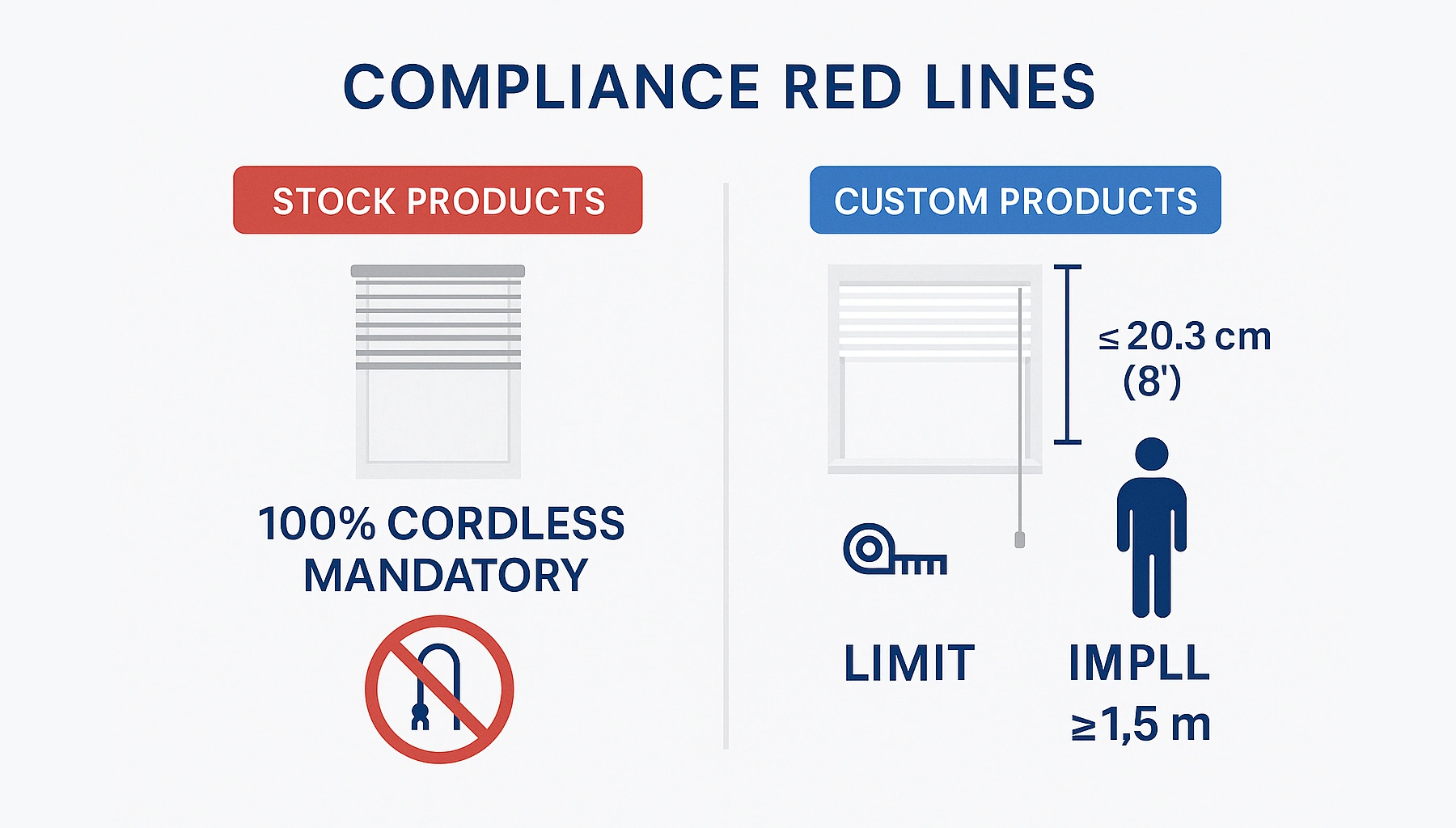
The standard mandates that all non-custom (stock) blinds — including roller blinds, Roman blinds, and zebra blinds — must be 100% cordless at the time of sale.
No accessible looped cords should exist when the product reaches the consumer. Any attempt to retain exposed cords in off-the-shelf products constitutes a direct violation.
Procurement Impact:
Cordless design is now the default baseline for all standard blind models in the U.S. market.
2.Strict Limits for Custom Products
For functional or extra-large custom blinds where cords are unavoidable, the standard provides a narrow exemption under strict conditions:
- Maximum accessible cord length: ≤ 20.3 cm (8 inches) after installation — a dimension scientifically calculated to prevent cord loops large enough to encircle a child’s head.
- Cord positioning: The operating mechanism must be located beyond a child’s reach (typically ≥1.5 m above the floor).
- Procurement Impact:Even for custom products, you must verify cord length compliance and request documented test reports. Strategically, however, transitioning all product lines toward cordless solutions significantly reduces risk exposure.
3.Enforcement Trends and Penalty Risks (2024–2025)
CPSC enforcement has become increasingly proactive and severe. Penalties now go far beyond small fines:
- Mandatory recalls: Common and costly. Companies bear full recall costs — logistics, refunds, and public announcements. A 2025 distributor recall resulted in $280,000 in direct losses, excluding reputational damage.
- Civil fines: CPSC may impose six- to seven-figure penalties for willful violations.
- Criminal liability: Executives knowingly selling hazardous products that cause harm can face prosecution.
Conclusion:
In the U.S., ANSI/WCMA A100.1-2018 is not optional — it’s existential. Compliance is your entry ticket to the market.
1.2 The EU Market: EN 13120:2009+A1:2014 and the Path to CE Certification
Core Regulation
Across all 27 EU member states, EN 13120:2009+A1:2014 governs internal blinds safety. Compliance with this standard is a mandatory condition for obtaining the CE mark, which allows free circulation of goods within the EU.
Like the U.S. framework, its intent is to prevent strangulation hazards — but the EU standard adds durability and lifetime performance requirements to ensure lasting safety.
1.CE Mark Requirement
Every blind sold in the EU must display a CE mark. By affixing this mark, the manufacturer or importer (often the distributor) declares full compliance with all relevant EU directives and retains supporting technical documentation.
Procurement Impact:
Importers and retailers are legally liable for their supply chain’s compliance. Always request CE documentation and testing evidence from your suppliers.
2.Durability Benchmark – 20,000 Opening Cycles
EN 13120 mandates that blind mechanisms must pass at least 20,000 continuous open/close cycles without functional failure or new safety hazards.
Intent:
To prevent accidents caused by wear, fatigue, or malfunction — ensuring that child-safety mechanisms (like tension devices or cordless springs) remain reliable throughout years of use.
Procurement Impact:
Request data that goes beyond “certified compliant.” Ask whether your supplier uses premium spiral spring components — the only technology proven to exceed 100,000 cycles with consistent torque stability.
3.Corded Product Limitations
Corded blinds are still technically allowed in the EU, but only with additional safety devices such as cord tensioners or retractors that prevent loop formation. However, these add-ons increase cost, complicate installation, and reduce reliability.
Compliance Shortcut:
Cordless systems inherently bypass these constraints — simplifying design, reducing compliance costs, and boosting reliability.
Conclusion:
In the EU, cordless blinds are not just safer; they’re a smarter economic strategy. They reduce total cost of ownership (TCO) while streamlining compliance certification.
Turning Compliance into Profit: How Safety Becomes a Growth Engine
Many procurement managers view compliance as an expense. In reality, compliance is a profit driver in the cordless blinds market. Embracing safety regulations not only mitigates risk but unlocks premium pricing, broader channel access, and stronger brand loyalty.
2.1 The True Cost of Non-Compliance
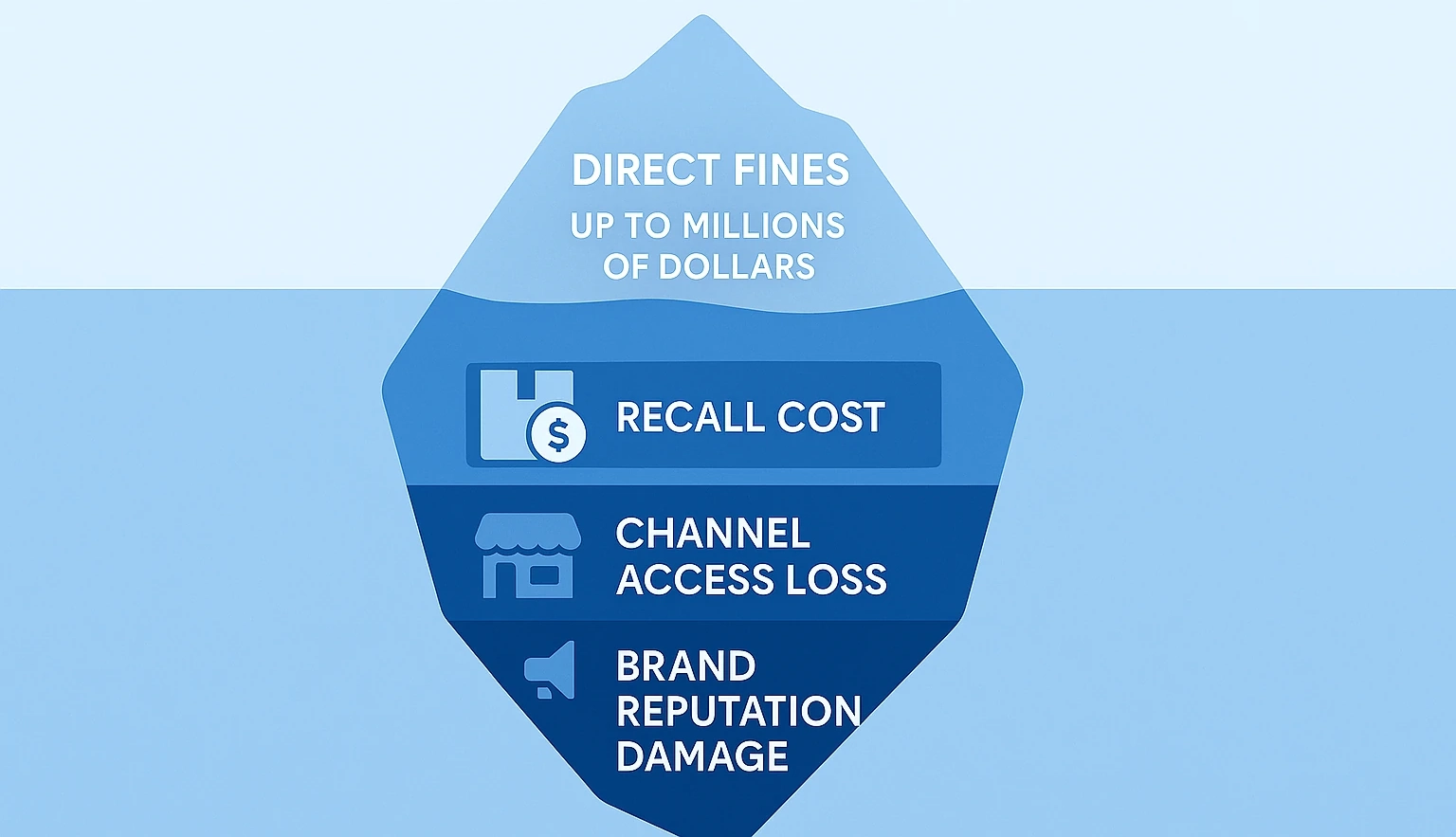
When calculating cost, don’t just compare material prices — evaluate the full iceberg of hidden losses from noncompliance.
1.Product Recall Costs
Industry studies by the Home Furnishings Association (HFA) show that an average recall of corded blinds costs $75–100 per unit due to:
- Reverse logistics from thousands of households
- Full refunds and compensation
- Public recall announcements and PR damage
- Regulatory fines
- Disposal and recycling fees
By contrast, the material cost of upgrading to cordless mechanisms is negligible.
2.Channel Access Barriers
Major global retailers — Amazon, Walmart, Target, IKEA — have already delisted over 90% of corded blinds to minimize liability.
Cordless designs are now the currency of access to these high-traffic sales platforms.
3.Legal and Brand Risks
If a child injury or fatality occurs due to your product’s cords, consequences include not only civil lawsuits but potentially criminal charges for executives.
Cordless designs eliminate the hazard entirely, offering your business the strongest legal defense possible.
2.2 Capturing the “Parent Economy” and the Safety Premium
| Metric | Value | Source / Year |
| Parents prioritizing cordless blinds | 86% | BabyCenter Survey, 2025 |
| Consumers willing to pay premium | 78% | NRF, 2025 |
| Average price premium for | cordless+15–20% | NRF, 2025 |
| Increase in CTR for cordless listings | 3× higher | Amazon Search Data |
| Repeat purchase rate after child room setup | 62% | EU Home Décor Report |
Cordless blinds perfectly align with modern parents’ top priority: child safety. This focus creates a unique pricing and marketing advantage.
1.Premium Pricing Power
According to the National Retail Federation (NRF, 2025), cordless blinds command a 15–20% price premium over equivalent corded models.
Moreover, 78% of parents are willing to pay extra for verified “child-safe” features — turning safety into a direct profit multiplier.
2.SEO and Traffic Advantage
On Amazon and Google, search terms such as “cordless blinds,” “baby safe blinds,” “ANSI/WCMA compliant blinds,” and “child-safe roller blinds” dominate category traffic.
Products clearly labeled with these keywords achieve 3× higher click-through rates (CTR) than generic listings.
By highlighting compliance features — especially cordless spiral spring systems — you naturally increase visibility and reduce acquisition costs.
3.Lifetime Value (LTV) and Brand Loyalty
A European home décor survey found that 62% of families who purchased cordless blinds for a child’s room later repurchased the same brand for living rooms and bedrooms, citing ease of use and peace of mind.
A single “child-safe” purchase can evolve into multi-room loyalty — significantly increasing customer lifetime value.
Why Spiral Spring Technology Leads the Cordless Revolution
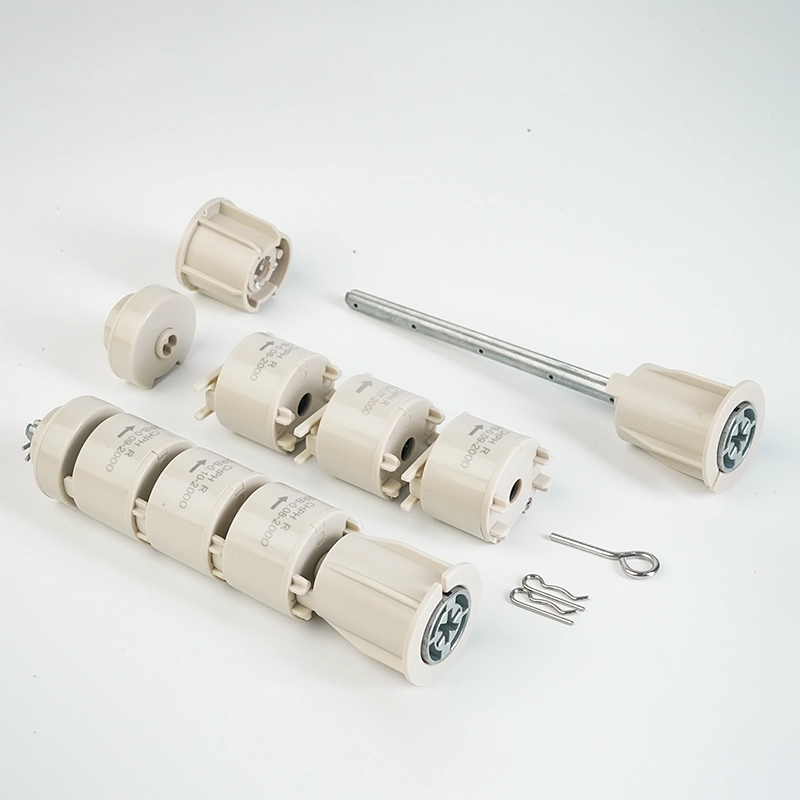
Cordless technology can be implemented in several ways, but when it comes to safety, durability, cost-efficiency, and user experience, spiral spring-powered systems represent the most balanced and scalable solution for roller and zebra blinds.
 |
 |
1.Unmatched Safety and Smooth Operation
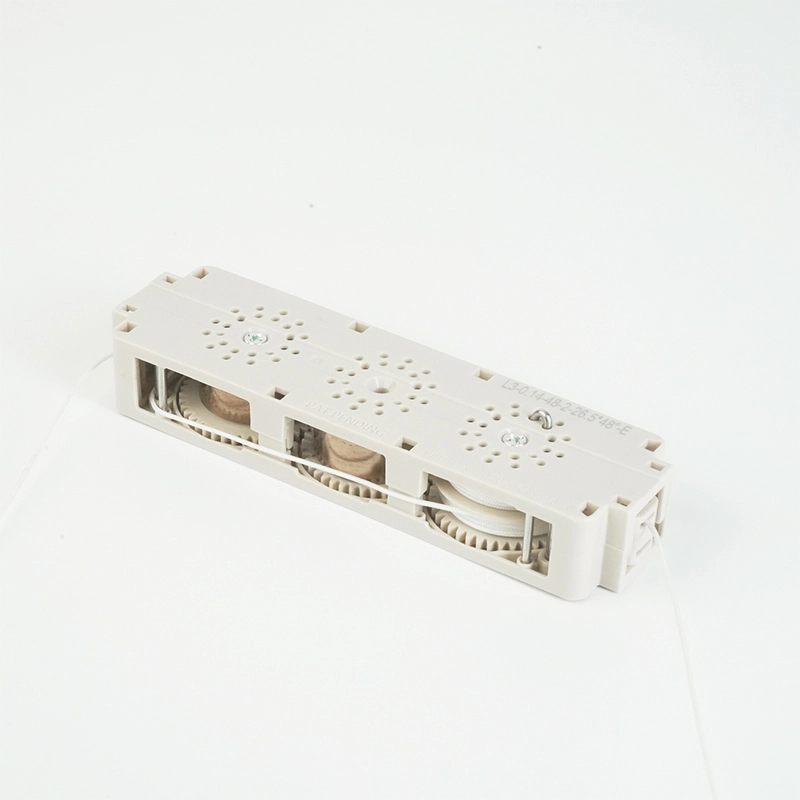
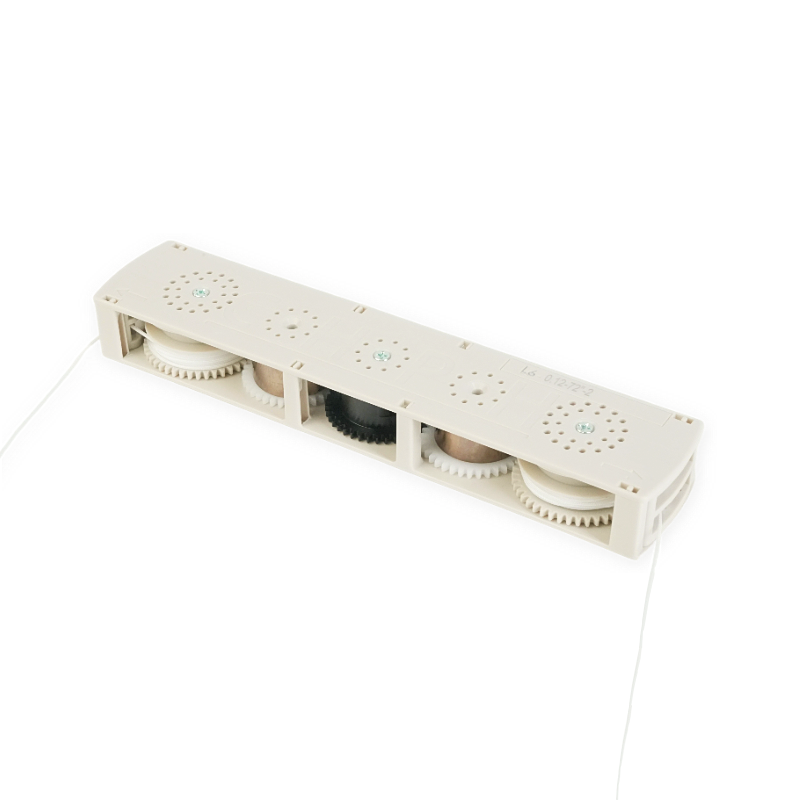
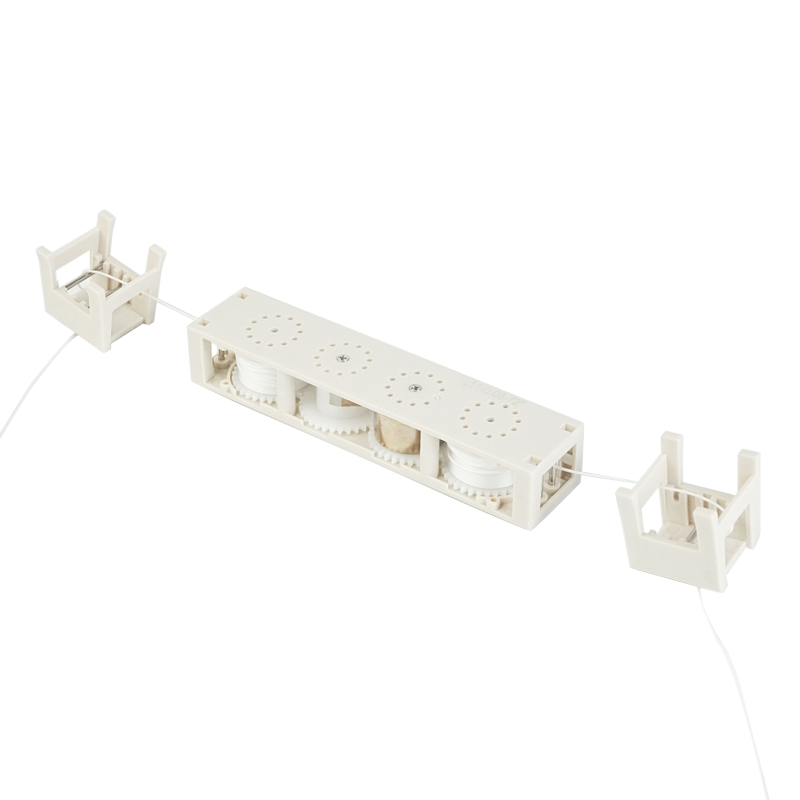
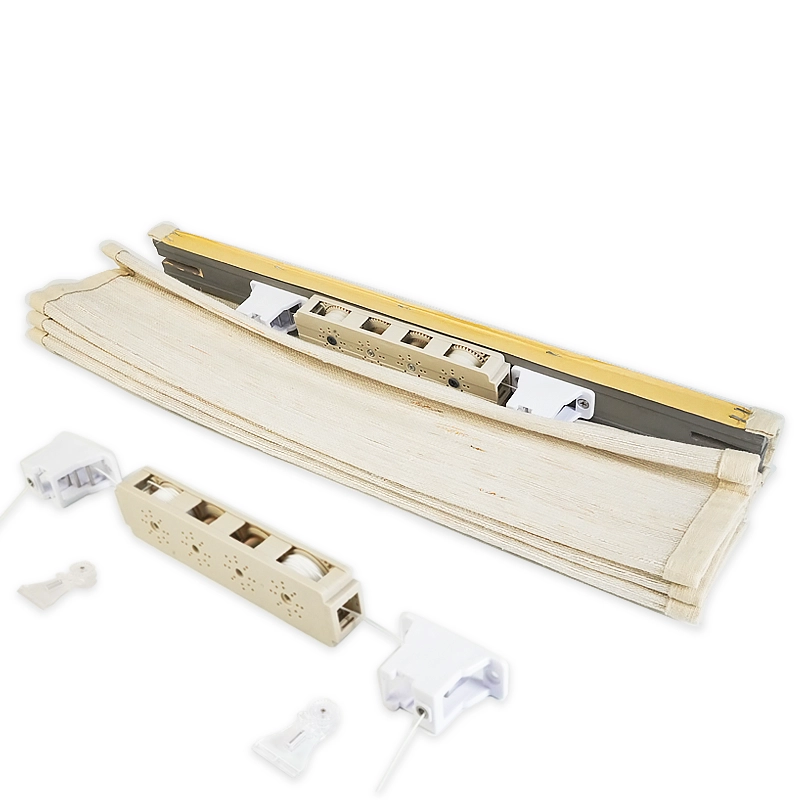
DOSRON’s precision-engineered spiral spring system delivers consistent, smooth tension, allowing users to lift or lower blinds effortlessly — simply push or pull, and the blind stops instantly.
The entire mechanism is sealed within the tube — no exposed cords, gears, or chains — providing an inherently child-safe design.
Additionally, the spring’s internal tension prevents the blind from free-falling due to weight or wear, further reducing accident risk.
2.Exceptional Durability — Beyond Regulatory Minimums
While EN 13120 requires 20,000 open/close cycles, DOSRON’s spiral springs are designed for 100,000+ cycles, equivalent to over 8 years of daily use.
Constructed from 301 stainless steel and precision-calibrated for consistent torque, the mechanism maintains performance even under continuous operation and varying loads.
Result:
- 80% lower return rate
- Fewer maintenance requests
- Significantly longer product lifespan
3.True Zero-Maintenance Experience
Spiral spring systems are purely mechanical — no motors, no batteries, and no electronic failures.
This simplicity eliminates user confusion, reduces post-sale support costs, and ensures quiet, stable performance over time — ideal for both residential and commercial applications.
Conclusion: Cordless is Not a Trend — It’s the Future

By 2025, the competitive landscape of the blinds industry has changed forever. Safety is no longer optional — it’s the entry qualification.
Child-safety regulations aren’t constraints; they are catalysts driving industry innovation and elevating responsible brands.
As a decision-maker, your commitment to cordless compliance will define both your risk floor and your market ceiling.
Now is the time to position cordless blinds as a strategic pillar of your business — integrating compliance, quality, and design excellence into every stage of your supply chain.
At DOSRON, we are committed to helping global partners achieve 100% compliance with ANSI/WCMA and EN standards while enhancing profitability.
Our full range of spiral spring-powered cordless roller and zebra blind systems are engineered beyond regulatory minimums, offering over 100,000 cycles of tested durability, silent operation, and complete child safety assurance — backed by comprehensive certification documentation.
Partner with DOSRON — and turn safety compliance into your next competitive advantage.

Website: www.dosroninc.com